
 LANGUAGE
 English
 Deutsch
 Español
 Français
 русский





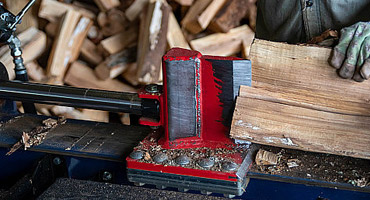





● Vertical operation position only ● Hardened steel wedge ● 24” / 61cm...
See Details
37-Ton Vertical and Horizontal Log Splitter for Efficient Firewood Processing
Preparing firewood efficiently requires equipment that can combine high splitting power, dependable hydraulic performance, practical transport features, and flexible operation. The LST37 is a heavy-duty Australian-style log splitter designed to address these needs in residential, agricultural, forestry, landscaping, and small commercial applications. With a maximum splitting force of 37 tons, a 420cc engine, an 18-second cycle time, and both vertical and horizontal operating positions, it is built to process substantial logs with less physical effort than manual splitting methods.
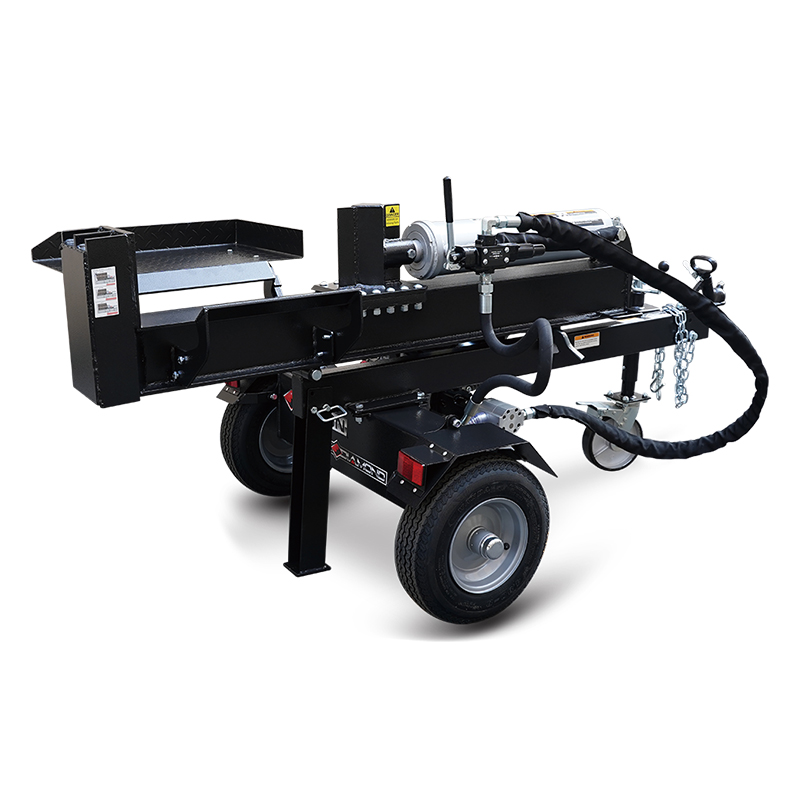
The LST37 is more than a basic hydraulic wedge mounted on a frame. Its design brings together a heavy-duty log table, an 8-inch hardened-steel wedge, a two-stage hydraulic pump, an auto-return valve, a suction filter, and road-oriented wheels. A 50mm hitch is included for towing behind suitable vehicles, allowing users to move the machine between storage areas, work sites, wood lots, and properties.
For buyers comparing log splitters, the most important considerations usually include force, log capacity, cycle speed, operating flexibility, ease of transport, hydraulic design, safety, and long-term manufacturing support. The LST37 offers a balanced specification in each of these areas. Its configuration is particularly useful for users who need the strength of a large splitter while still requiring a machine that can be repositioned and operated in different working environments.
LST37
Product Overview
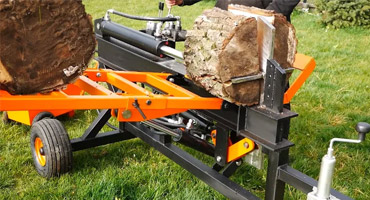
The LST37 is a gasoline-powered hydraulic log splitter with a rated maximum splitting force of 37 tons. It is designed to handle logs up to 21.6 inches, or 550 millimeters, in length. The machine can be used in either a vertical or horizontal position, giving operators the ability to select the most suitable working arrangement for the size, weight, and shape of the log.
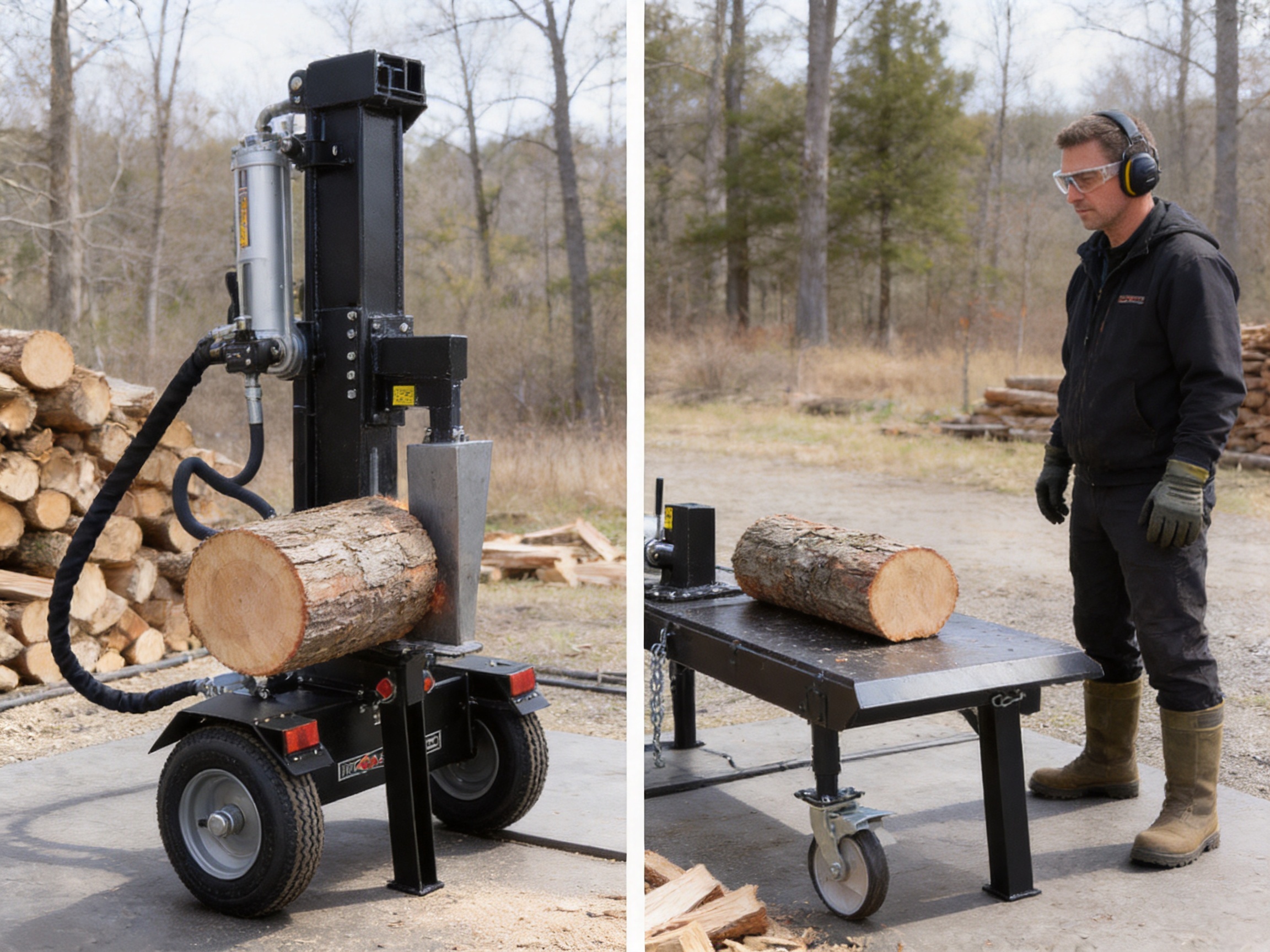
Horizontal operation is convenient when logs can be lifted onto the log table without excessive effort. In this position, the operator can align smaller or medium-sized rounds with the wedge and process them in a continuous workflow. Vertical operation is especially useful for heavier rounds. Instead of lifting a large log onto a horizontal platform, the operator can roll the log into position on the ground and split it vertically. This reduces unnecessary handling and makes the machine more practical for large, irregular, or heavy pieces of wood.
The 37-ton rating gives the LST37 substantial force for demanding firewood tasks. Actual splitting performance depends on wood species, moisture content, grain direction, knots, diameter, temperature, and correct machine setup. Nevertheless, the combination of high hydraulic force and an 8-inch hardened-steel wedge provides a strong foundation for breaking down tough logs that would be difficult to process with lower-powered equipment.
The LST37 uses a DJ 420cc engine to drive its hydraulic system. A 16-gallon-per-minute, two-stage pump is specified to support a practical combination of speed and force. The two-stage configuration is important because a log splitter does not need maximum pressure during every part of the cylinder movement. The pump can support faster movement during lighter-load travel and provide stronger hydraulic performance when the wedge encounters significant resistance.
Key Specifications
| Specification | LST37 Detail |
|---|---|
| Model | LST37 |
| Product Type | Australian-style log splitter |
| Maximum Splitting Force | 37 tons |
| Cycle Time | 18 seconds |
| Engine | DJ 420cc |
| Maximum Log Length | 21.6 inches / 550 millimeters |
| Cylinder | 5-inch bore by 19.4-inch specification |
| Pump | 16 GPM, two-stage |
| Hydraulic Reservoir | 4.3 gallons / 16 liters |
| Wedge | 8-inch hardened steel |
| Valve | Auto-return |
| Wheels | 16-inch DOT, 4.8-8 specification |
| Filter | Suction filter |
| Net Weight | 638.8 pounds / 290 kilograms |
| Gross Weight | 693.8 pounds / 315 kilograms |
| Package Dimensions | 68 by 20.87 by 31 inches / 173 by 52 by 79 centimeters |
These specifications show that the LST37 is designed as a substantial piece of equipment rather than a lightweight occasional-use splitter. Its weight contributes to stability during operation, while its wheels and hitch support movement when the machine needs to be transported. The dimensions also provide distributors and end users with practical information for warehousing, shipping, and installation planning.
High Splitting Force for Difficult Logs
The principal advantage of the LST37 is its 37-ton maximum splitting force. High force is valuable when processing hardwoods, knotty sections, large rounds, and logs with twisted grain. Lower-force splitters may perform well on straight-grained, moderate-diameter firewood, but users working with dense or irregular wood often need greater hydraulic capacity to reduce hesitation and repeated attempts.
The 37-ton rating gives operators more working capability across a broad range of firewood conditions. It can help reduce the need for manual wedges, sledgehammers, or repeated repositioning. A strong splitter also makes it easier to maintain a consistent workflow when a load contains mixed species and varying log sizes.
Performance should always be evaluated in relation to the complete hydraulic system rather than the tonnage figure alone. The LST37 combines its force rating with a 5-inch cylinder, a two-stage pump, a 16-liter hydraulic reservoir, and an 8-inch hardened-steel wedge. These components are selected to work as a system. The cylinder supplies the pushing movement, the pump delivers hydraulic flow, the reservoir provides fluid capacity, and the wedge transfers force into the wood.
The wedge material is another important consideration. An 8-inch hardened-steel wedge is designed to resist wear during repeated contact with logs. A durable wedge helps preserve the working profile over time, particularly when the machine is used regularly. Operators should still inspect the wedge and surrounding structure before use and remove any material that could interfere with proper splitting.
Vertical and Horizontal Operation
One of the LST37’s most practical advantages is its dual operating configuration. Many users process logs of different sizes during the same work session. A horizontal position may be ideal for manageable rounds that can be lifted onto the machine, while a vertical position is more suitable for heavy rounds that are difficult or unsafe to raise.
Horizontal operation offers a straightforward production pattern. The log is placed on the heavy-duty table, aligned with the wedge, and processed along the cylinder axis. This arrangement can make it convenient to split a series of smaller rounds and move the resulting pieces into a nearby stack or trailer.
Vertical operation changes the handling process. The log can remain close to ground level, reducing the lifting distance for heavy pieces. This is particularly useful when working with large hardwood rounds, trunk sections, or logs that are too heavy for one person to position safely in a horizontal configuration.
The ability to switch between positions also improves job-site flexibility. A firewood producer may begin with large rounds in vertical mode and then use horizontal mode for smaller pieces. A landowner may use the same approach when clearing storm-damaged wood. Instead of requiring separate equipment for different log sizes, one machine can accommodate a wider range of working conditions.
Operators should follow the manufacturer’s instructions when changing positions and should ensure that the machine is stable, properly supported, and clear of bystanders. The work surface should be firm and level enough to prevent unwanted movement. The selected operating position should always match the operator’s ability to control the material safely.
Hydraulic System Designed for Productive Operation
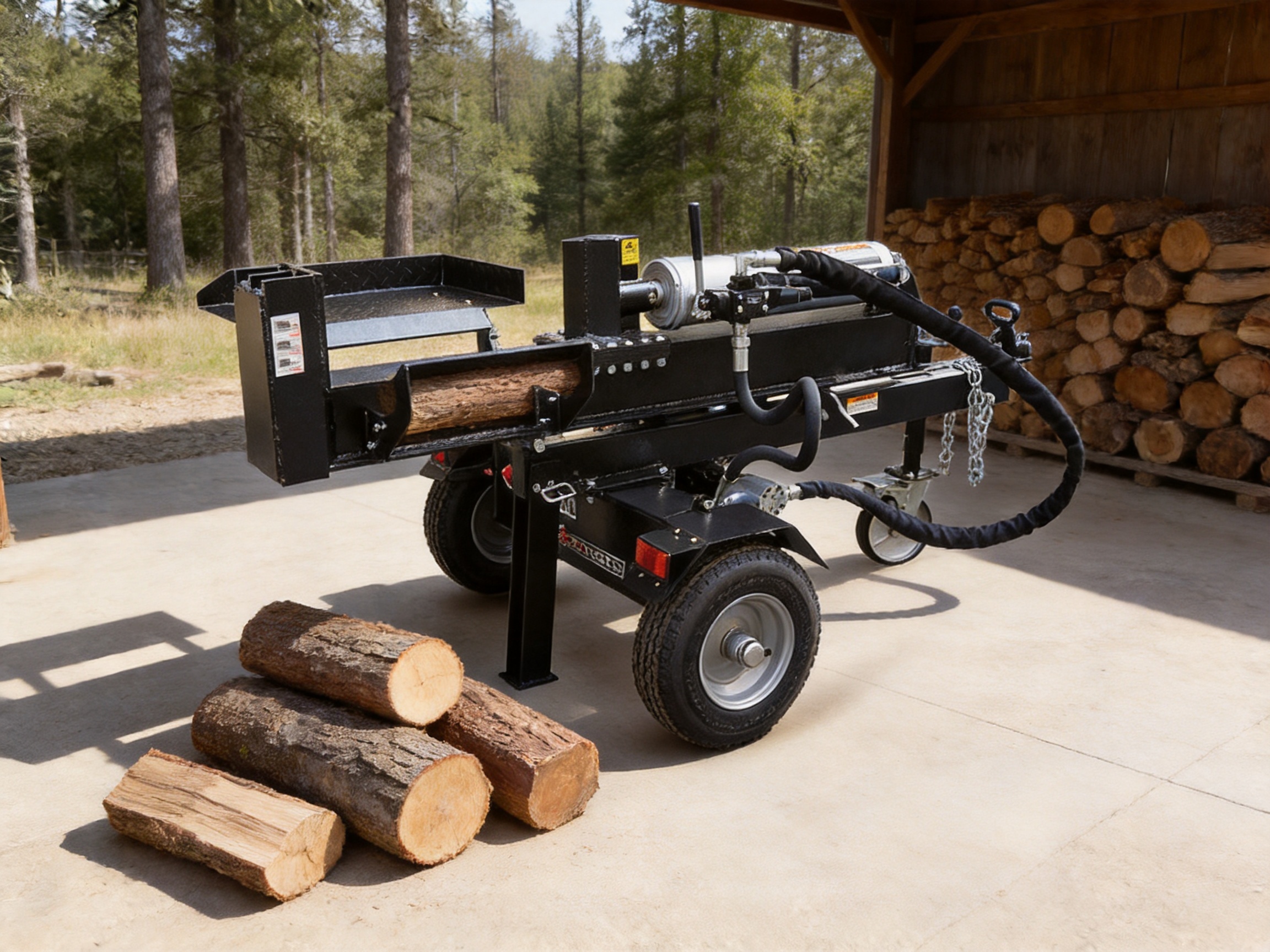
The LST37 uses a 16 GPM two-stage hydraulic pump. A two-stage pump is a common and useful configuration for log splitters because it supports different hydraulic demands during the cycle. During low-resistance movement, the system can prioritize faster cylinder travel. When the wedge meets a difficult section of wood, the pump can shift toward the pressure required for splitting.
This arrangement helps balance productivity and power. A splitter that moves quickly but lacks pressure may struggle with hard wood. A system that provides force but moves slowly can reduce output and increase operator waiting time. The LST37’s two-stage arrangement is intended to provide a practical compromise between rapid cycle movement and strong splitting performance.
The listed cycle time is 18 seconds. Cycle time can vary according to operating conditions, hydraulic oil temperature, log placement, engine performance, and the distance the cylinder must travel. Even so, the specification provides a useful reference for comparing equipment and estimating the potential pace of a splitting session.
The hydraulic reservoir has a capacity of 4.3 gallons, or 16 liters. Adequate reservoir capacity helps support fluid management during operation and provides a defined volume for the hydraulic system. Hydraulic oil should be maintained at the recommended level and changed or filtered according to the maintenance schedule. Clean fluid is important because contamination can affect pumps, valves, cylinders, and seals.
A suction filter is included in the hydraulic system. Its purpose is to help limit the movement of contaminants toward the pump inlet. The filter should be inspected and maintained according to the product instructions. Regular inspection is especially important in dusty outdoor environments, where dirt and debris can accumulate around service points.
The auto-return valve supports a more consistent work cycle. After the splitting movement, the cylinder can return automatically instead of requiring the operator to hold a control continuously through the entire return movement. This can reduce unnecessary hand movement and help maintain a repeatable operating rhythm. The operator must still remain attentive and should never leave the machine running without supervision.
Heavy-Duty Construction and Stability
A log splitter must withstand repeated mechanical loading. Every cycle places force through the frame, cylinder mounts, log table, wedge, and hydraulic components. The LST37 is configured as a heavy-duty machine, with a net weight of 638.8 pounds, or 290 kilograms. This substantial weight can contribute to stability when the machine is positioned correctly on a suitable surface.
The heavy-duty log table is designed to support the workpiece during splitting. A stable table helps keep the log aligned with the wedge and reduces the likelihood of the piece shifting during the cycle. Proper alignment remains the operator’s responsibility. Logs should be positioned securely, and loose pieces should not be held by hand near the wedge or cylinder path.
Weight and frame strength can provide advantages over smaller, lighter splitters when the work involves large rounds or frequent use. A lightweight machine may be easier to move manually, but it can be more prone to shifting during demanding cycles. The LST37 takes a different approach by combining substantial construction with wheels and a hitch for controlled transport.
Heavy equipment still requires appropriate handling. Users should use a suitable tow vehicle, follow applicable local towing rules, and confirm that the hitch connection is secure. The splitter should be transported only when its components are properly locked or supported and when the route is suitable for the machine.
Engine and Power Delivery
The LST37 is equipped with a DJ 420cc engine. A gasoline engine gives the splitter independence from a nearby electrical outlet, which is useful in wood lots, farms, rural properties, landscaping operations, and other outdoor areas. The machine can be positioned close to the wood supply instead of requiring logs to be transported to a fixed electric work area.
Engine-driven hydraulic equipment is also practical for seasonal work. Users can take the splitter to different locations as needed, whether processing firewood at a residence, clearing fallen trees after a storm, or preparing material for a heating season. The engine should be operated, fueled, stored, and maintained according to the applicable instructions and safety requirements.
Before each work session, the operator should inspect the engine area, verify fuel and oil levels, check for leaks, and confirm that controls operate correctly. The hydraulic system should also be examined for damaged hoses, loose fittings, or signs of fluid leakage. Preventive checks can help identify problems before they interrupt production.
Engine performance may change with altitude, temperature, fuel quality, and maintenance condition. Correct service is therefore important for maintaining consistent hydraulic output. The engine and hydraulic system should be allowed to warm up as specified before demanding work begins, particularly in cold weather.
Transport Features for Work-Site Flexibility
The LST37 includes a 50mm hitch for towing behind suitable vehicles. This feature can make the splitter more useful to customers who need to move it between storage, processing, and work locations. Firewood work often takes place away from paved areas, so the ability to tow the machine can reduce manual relocation effort.
The 16-inch DOT wheels, listed with a 4.8-8 specification, are intended to support transport and positioning. Their inclusion reflects the machine’s mobile design. Before moving the splitter, operators should confirm tire condition, hitch security, wheel attachment, and any required safety connection. Transport practices should comply with local regulations and the requirements of the towing vehicle.
Mobility is a meaningful point of difference when comparing a stationary splitter with a towable model. A stationary unit may be suitable for a fixed production area, but it can require additional equipment to move logs or relocate the splitter. The LST37 allows the machine to be brought closer to the raw material, which can reduce unnecessary handling across a property.
At the same time, transportability should not be confused with unrestricted road use. Users must verify whether the machine is approved for the intended type of towing, the required speed limits, lighting or signaling provisions, and the rules that apply in their region. Product documentation and local authorities should be consulted before public-road transportation.
Advantages Compared with Basic or Lower-Capacity Splitters
The LST37 offers several design advantages when compared with basic manual splitters, small electric units, and lower-capacity gasoline models. Its high force is suited to more demanding wood, while its vertical and horizontal configurations improve handling flexibility. The engine-driven system makes it practical in locations where electrical power is unavailable, and the included hitch supports relocation.
Compared with manual splitting, the LST37 can substantially reduce the physical impact of processing firewood. Manual tools require repeated swinging, precise positioning, and considerable effort. Hydraulic splitting transfers the main force to the machine, allowing the operator to focus on loading, alignment, and output handling. This can be especially valuable for users processing large quantities or working with difficult wood.
Compared with lower-force hydraulic models, the 37-ton capacity provides more reserve for challenging logs. It does not eliminate the need for correct loading or safe working practices, but it can reduce the number of logs that exceed the machine’s practical capability. This makes the LST37 a better fit for mixed wood supplies that include large diameters, knots, and dense species.
Compared with fixed horizontal machines, the dual-position design gives users more options for heavy rounds. Vertical operation reduces the need to lift large logs onto a table. Compared with a vertical-only splitter, horizontal operation provides a convenient arrangement for smaller rounds and repeated production work.
Compared with machines using a basic single-stage pump, the two-stage hydraulic design is intended to provide a better balance between movement speed and splitting force. The 18-second cycle specification further helps users evaluate expected productivity. Actual results will depend on log characteristics and work practices, but the system is clearly designed for more than occasional light-duty use.
Applications Across Different User Groups
Residential Firewood Preparation
Homeowners who heat with wood or maintain a substantial fireplace supply can use the LST37 to prepare logs more efficiently. The vertical position is useful for large rounds that are difficult to lift, while horizontal operation can support the final processing of smaller pieces. The machine’s high capacity also gives homeowners flexibility when processing wood from tree removal, storm cleanup, or purchased logs.
Farm and Rural Property Maintenance
Farms and rural properties often generate a varied supply of wood from pruning, land clearing, fence-line maintenance, and fallen branches. The LST37 can be transported to the area where the wood is collected, reducing the need to haul heavy rounds over long distances. Its engine-powered design is suitable for outdoor locations without convenient access to mains electricity.
Landscaping and Tree-Service Support
Landscaping businesses and tree-service operators may encounter large quantities of wood as part of regular work. While a log splitter does not replace commercial processing equipment for every application, the LST37 can be useful for preparing firewood, reducing selected rounds, and adding value to material that might otherwise become waste. The combination of force, mobility, and dual-position operation supports varied field conditions.
Small-Scale Firewood Production
Small firewood businesses require equipment that can handle repeated cycles without becoming unnecessarily complex. The LST37 provides a strong force rating, defined cycle time, and transportable configuration. It can support seasonal production for local customers, farm shops, campgrounds, hospitality properties, and heating users, provided the operator follows appropriate production and maintenance practices.
Storm Cleanup and Property Restoration
Storm-damaged trees often produce logs that vary widely in diameter, length, moisture, and grain direction. The vertical mode can help with heavy sections, while the high splitting force can assist with challenging wood. Users should inspect storm-damaged logs carefully because embedded stones, nails, wire, or other foreign objects can damage equipment and create serious hazards.
Manufacturing Strengths and Quality Management
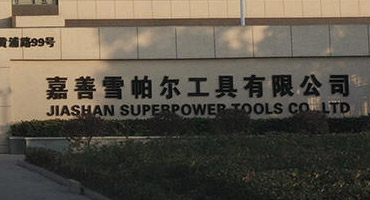
The LST37 is manufactured by Jiashan Superpower Tools Co., Ltd., a Chinese manufacturer specializing in log splitters, lawn and garden equipment, and outdoor power equipment. The company was established in 1997 and has more than two decades of industry experience. Its product range includes log splitters, dump carts, spreaders, lawn sweepers, lawn aerators, and related equipment.
The company’s manufacturing facility is located in the Huimin Economic Development Zone of Jiashan County, Zhejiang Province, between Shanghai and Hangzhou. This location places the manufacturer within an established industrial region and supports access to supply-chain, logistics, and export infrastructure.
The company operates under an ISO 9001:2015-certified quality management system. For buyers and distributors, this is an important manufacturing-strength indicator because a certified quality system provides a structured framework for process control, documentation, inspection, corrective action, and continual improvement. Certification alone does not replace product inspection, but it demonstrates that quality management is treated as an organized business process.
Many of the company’s products carry CE certification. Buyers should confirm the specific certification and compliance documentation applicable to the LST37 configuration and destination market. Compliance requirements can vary according to region, product version, engine arrangement, towing use, and applicable machinery or environmental regulations.
The company emphasizes innovative, energy-efficient, environmentally friendly, and cost-effective products. These priorities are relevant to modern outdoor power equipment buyers, who increasingly consider not only purchase price but also operating efficiency, serviceability, product life, and overall value.
International experience is another manufacturing strength. The company serves customers across North America, Europe, Australia, Asia, and South America. Experience with multiple export markets can help a manufacturer understand differing customer expectations, packaging requirements, documentation needs, and product configurations. It also supports the development of long-term relationships with importers, distributors, and equipment dealers.
Advanced Manufacturing Approach
The materials provided identify the company’s ISO 9001:2015 quality management system, product development focus, factory background, and international distribution experience. These elements together describe a structured manufacturing approach. A quality system supports repeatability, while product specialization allows the manufacturer to focus engineering and production knowledge on log splitters and related outdoor equipment.
Manufacturing a hydraulic log splitter requires coordination among several product areas. The frame must support the forces created during splitting. The cylinder and hydraulic plumbing must work together without unwanted leakage. The pump must deliver the required flow and pressure. The wedge must maintain its shape under repeated loading. Wheels, hitch components, and transport features must be integrated without compromising operating stability.
A specialized manufacturer can evaluate these elements as part of a complete product rather than treating them as unrelated components. The LST37’s specifications demonstrate this system-oriented design: the 37-ton force rating is paired with a 420cc engine, a two-stage pump, a defined reservoir capacity, a hardened-steel wedge, and an auto-return valve. Buyers benefit when the major components are selected to support the intended application.
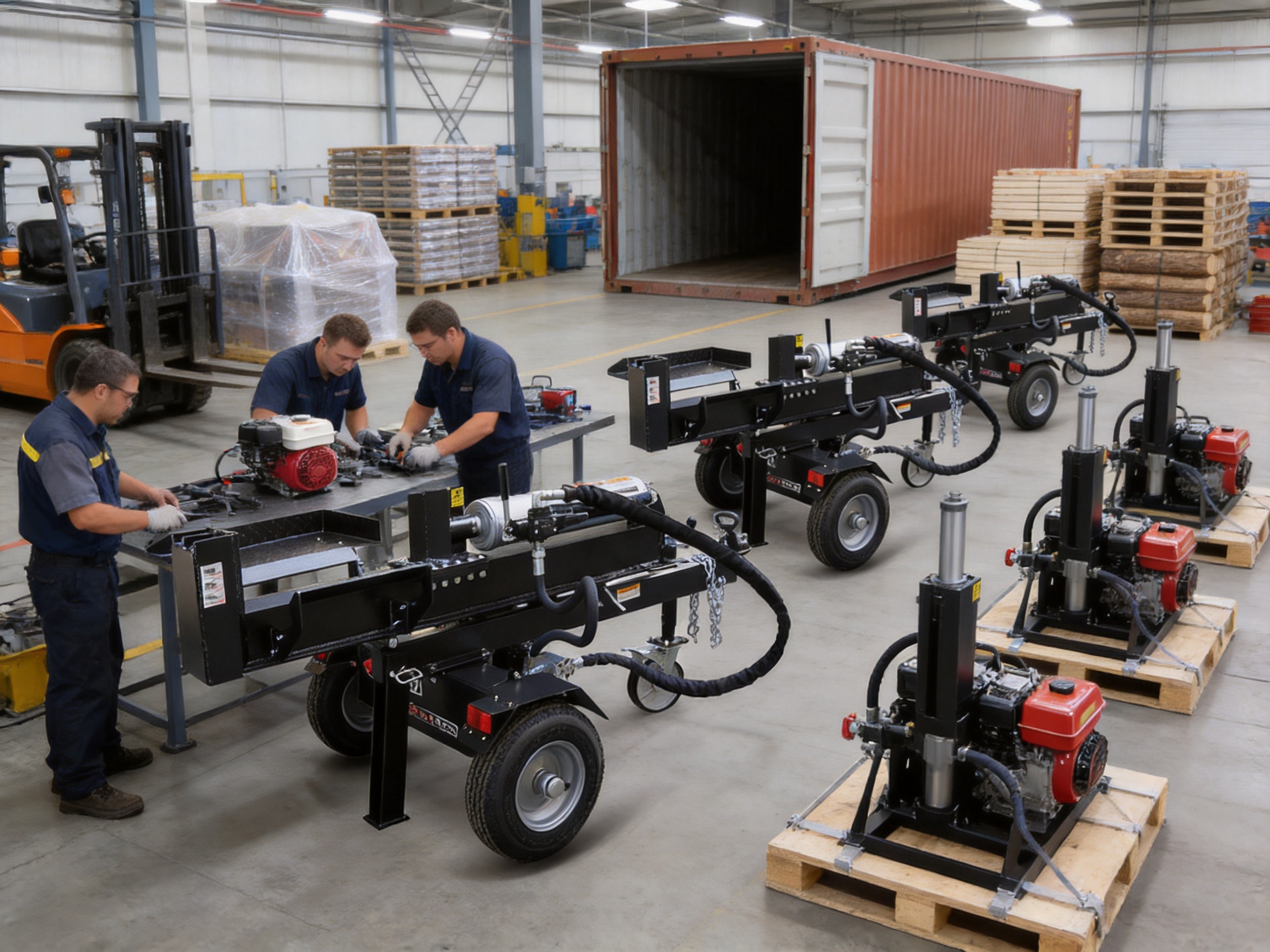
Quality management is also important for packaging and export handling. The LST37 has a listed package size of 68 by 20.87 by 31 inches, or 173 by 52 by 79 centimeters. Its gross shipping weight is 693.8 pounds, or 315 kilograms. Clear packaging specifications help distributors plan containers, warehouses, forklifts, loading areas, and delivery arrangements.
The listed container quantity is 81 pieces per 40-foot-high-cube container, with the stated goods weight of 26 tons. This information is useful for importers and wholesale buyers planning procurement. It can support more accurate freight calculations, inventory planning, and supply-chain coordination.
Maintenance and Service Considerations
Regular maintenance is essential for any hydraulic machine. Before operation, users should inspect the frame, wedge, log table, wheels, hitch, hoses, fittings, controls, and engine area. Any cracks, loose fasteners, damaged hydraulic lines, or unusual leaks should be addressed before the machine is used.
Hydraulic oil should be maintained at the correct level and kept clean. The suction filter should be checked according to the maintenance instructions. Contaminated or degraded fluid can reduce system performance and contribute to premature wear. Service intervals should be adapted to operating frequency, environmental conditions, and the guidance supplied with the product.
The engine requires routine care, including appropriate oil checks, air-filter maintenance, fuel-system attention, and spark-plug service as specified in the engine documentation. Fuel should be stored and handled safely. The engine should be shut down before servicing moving parts or investigating a suspected mechanical problem.
The wedge and log table should be kept free of accumulated wood fragments. Debris can affect log positioning and may interfere with safe operation. The work area should also be kept clear so that the operator can move safely and maintain a stable stance throughout the splitting process.
When storing the machine for an extended period, users should follow the recommended procedures for fuel, hydraulic components, engine protection, and weather exposure. Outdoor equipment should be protected from unnecessary rain, moisture, and corrosive conditions. Proper storage can help preserve the frame, wheels, controls, and hydraulic system.
Safe Operating Practices
Hydraulic log splitters generate considerable force and must be operated only by trained, attentive users. The operator should read the product manual before use and understand the controls, operating positions, emergency procedures, and maintenance requirements.
Loose clothing, jewelry, and unsecured hair should be kept away from moving parts. Suitable protective equipment may include safety glasses, hearing protection, gloves appropriate for material handling, and protective footwear. Gloves should not reduce the operator’s ability to control the machine or create an entanglement hazard.
Bystanders, children, and animals should remain outside the working area. Logs can move unexpectedly when they split, and pieces may fall from the table or roll across the ground. The operator should never place hands, feet, or other body parts near the wedge, cylinder, log ends, or pinch points during a cycle.
Logs should be placed securely and processed only within the specified maximum length. Crooked, unstable, or damaged logs require extra care. The operator should stop the machine if a log becomes lodged, shifts unexpectedly, or creates a condition that cannot be controlled safely. Troubleshooting should be performed only after the engine is stopped, hydraulic pressure is relieved according to the instructions, and moving components have come to rest.
The machine should be used on a stable surface with enough clearance around it. When using the vertical configuration, the operator should confirm that the base is stable and that the log cannot roll into the working path. When using the horizontal configuration, the operator should ensure that logs are supported correctly on the table.
Purchasing and Distribution Value
For distributors, the LST37 offers a clear specification profile that is easy to communicate to customers. The 37-ton force rating, 18-second cycle time, 550-millimeter maximum log length, 420cc engine, dual operating positions, and towable configuration provide practical selling points without relying solely on technical language.
The product is also suited to multiple market segments. Residential users may value the reduction in manual effort. Farms may value mobility and vertical operation. Landscaping businesses may value the ability to process wood at different sites. Firewood suppliers may value the combination of capacity and repeatable cycle performance. This broad application range can help dealers serve more than one customer category with a single product model.
Packaging and container information supports wholesale planning. A defined package dimension and container quantity allow importers to estimate storage requirements and landed costs. The manufacturer’s experience serving North America, Europe, Australia, Asia, and South America can further support international distribution relationships.
Buyers should confirm the exact configuration, compliance documents, warranty terms, spare-parts availability, operating manual, engine documentation, and after-sales support arrangements before placing an order. These details can differ by destination market and supply agreement.
Frequently Asked Questions
What is the maximum splitting force of the LST37?
The LST37 has a maximum splitting force of 37 tons. Actual performance depends on wood species, moisture, grain structure, knots, temperature, log positioning, and machine condition.
What is the maximum log length?
The maximum specified log length is 21.6 inches, or 550 millimeters. Logs should be measured before processing and should not exceed the stated limit.
Can the LST37 operate vertically and horizontally?
Yes. The design supports both vertical and horizontal operating positions. Horizontal operation is useful for manageable rounds, while vertical operation can reduce lifting requirements for heavier logs.
What engine powers the machine?
The LST37 uses a DJ 420cc engine. Engine operation and maintenance should follow the applicable engine instructions and product manual.
How fast is the splitting cycle?
The listed cycle time is 18 seconds. Actual cycle performance can vary with log size, hydraulic oil temperature, engine speed, load resistance, and the distance traveled by the cylinder.
What type of hydraulic pump does it use?
The machine uses a 16 GPM, two-stage hydraulic pump. This type of pump is intended to balance faster movement during lighter-load travel with higher force when the wedge encounters resistance.
How much hydraulic oil does the reservoir hold?
The reservoir capacity is 4.3 gallons, or 16 liters. The fluid level and condition should be checked and maintained according to the manufacturer’s instructions.
What type of wedge is fitted?
The LST37 is fitted with an 8-inch hardened-steel wedge. The wedge should be inspected regularly for damage, deformation, or excessive wear.
Does the splitter have an automatic return function?
Yes. It is equipped with an auto-return valve to support a repeatable operating cycle. The operator must remain present and attentive during all machine operation.
Can the LST37 be towed?
A 50mm hitch is included for towing behind suitable vehicles. Users must verify towing compatibility, local regulations, connection security, and any required transport equipment before moving the machine.
What are the wheel specifications?
The machine uses 16-inch DOT wheels with a listed 4.8-8 specification. Wheels, tires, hitch components, and connections should be inspected before transport.
Is the LST37 suitable for commercial use?
Its 37-ton force, 18-second cycle time, heavy-duty construction, and mobile configuration make it suitable for many small commercial, agricultural, landscaping, and firewood-processing applications. Commercial users should evaluate expected workload, service requirements, local compliance, and operator training.
What quality systems support its manufacture?
The manufacturer operates under an ISO 9001:2015-certified quality management system. Many of its products carry CE certification. Buyers should request documentation specific to the LST37 model and destination market.
Where is the manufacturer located?
Jiashan Superpower Tools Co., Ltd. is located in Jiashan City, Zhejiang Province, China. Its manufacturing facility is in the Huimin Economic Development Zone of Jiashan County, between Shanghai and Hangzhou.
What should be checked before buying?
Buyers should confirm the exact product configuration, safety and compliance documentation, warranty coverage, spare-parts support, operating instructions, shipping dimensions, container loading information, and after-sales service arrangements.
Conclusion
The LST37 is a robust, high-capacity log splitter developed for users who need more than occasional light-duty firewood processing. Its 37-ton maximum splitting force, 420cc engine, two-stage 16 GPM pump, 18-second cycle time, 8-inch hardened-steel wedge, and 550-millimeter log capacity provide a strong technical foundation for demanding work.
Its greatest practical strengths are flexibility and capability. Vertical and horizontal operation allows the machine to adapt to different log sizes and handling conditions. A heavy-duty log table supports stable processing, while the auto-return valve contributes to a repeatable workflow. The 50mm hitch and 16-inch DOT wheels make it easier to transport the splitter to suitable work areas.
Manufacturing support adds further value. Jiashan Superpower Tools Co., Ltd. has specialized in log splitters and lawn and garden equipment since 1997, operates under an ISO 9001:2015-certified quality management system, and serves customers in international markets. Its product-development focus includes innovative, energy-efficient, environmentally responsible, and cost-effective outdoor power equipment.
For homeowners, farms, landscapers, firewood suppliers, and equipment distributors, the LST37 offers a balanced combination of force, mobility, operating choice, and manufacturing experience. With correct setup, regular maintenance, appropriate transport practices, and disciplined safety procedures, it can become a productive tool for processing a wide variety of firewood and property-clearing materials.
References
Jiashan Superpower Tools Co., Ltd. Product Specification Sheet: LST37 Australian-Style Log Splitter.
Jiashan Superpower Tools Co., Ltd. Company Information and Outdoor Power Equipment Product Range.
ISO 9001:2015 Quality Management Systems: Requirements.
General Hydraulic Equipment Maintenance and Contamination-Control Principles.
General Outdoor Power Equipment Safety and Log-Splitting Operation Practices.
Manufacturer-provided product dimensions, performance specifications, packaging information, and technical data supplied for the LST37 model.
Product: LST37
PREV:75 lb All-Purpose Push Spreader: Precision, Durability, and Efficient Lawn Care
NEXT:20-Ton Battery-Powered Log Splitter: Performance, Efficiency, and Manufacturing Quality
NEXT:20-Ton Battery-Powered Log Splitter: Performance, Efficiency, and Manufacturing Quality
Interested in cooperation or have questions?
Related products
-
-
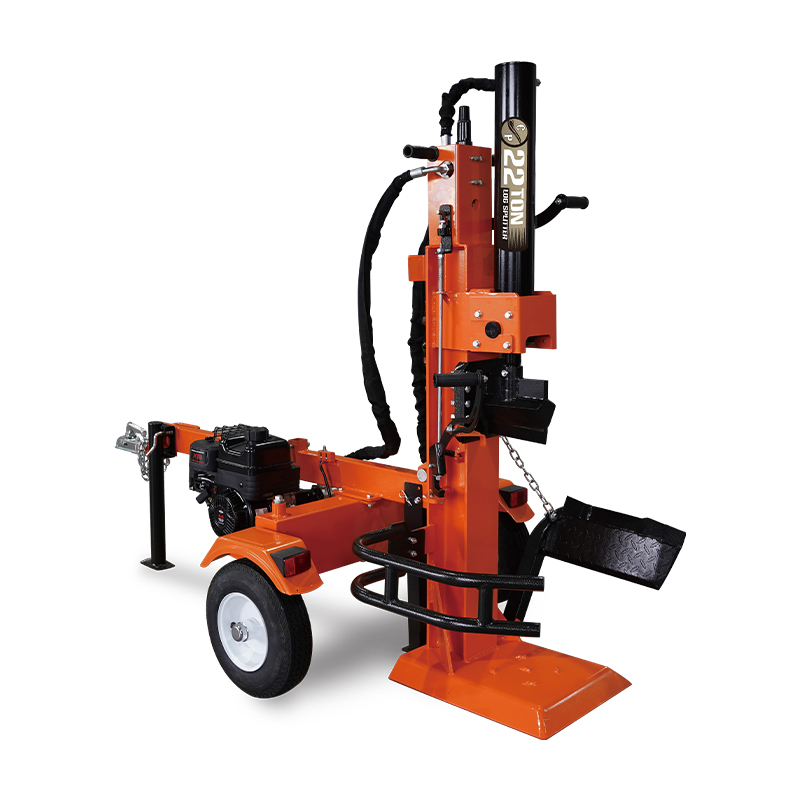
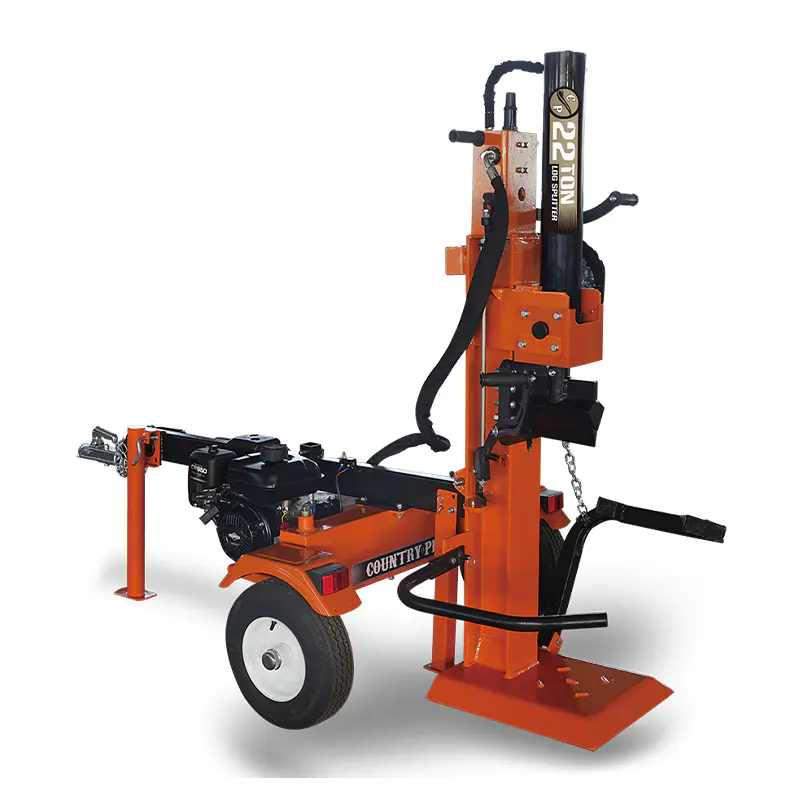
● Vertical operation position only ● Hardened steel wedge ● 24” / 61cm...
See Details -
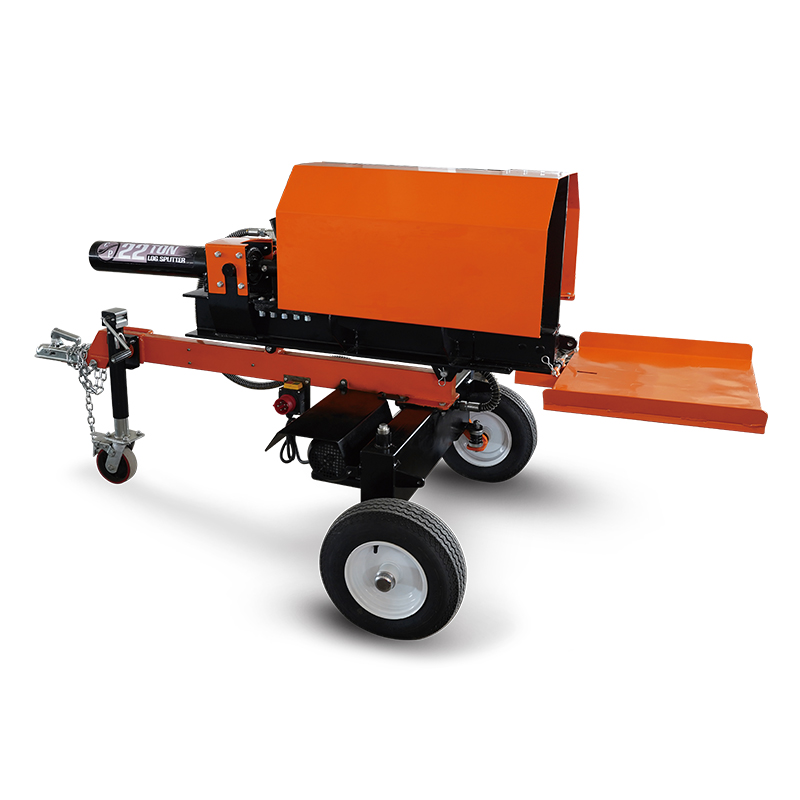
● Horizontal operation position only● 17” Hardened steel wedge● 21.6”/...
See Details -
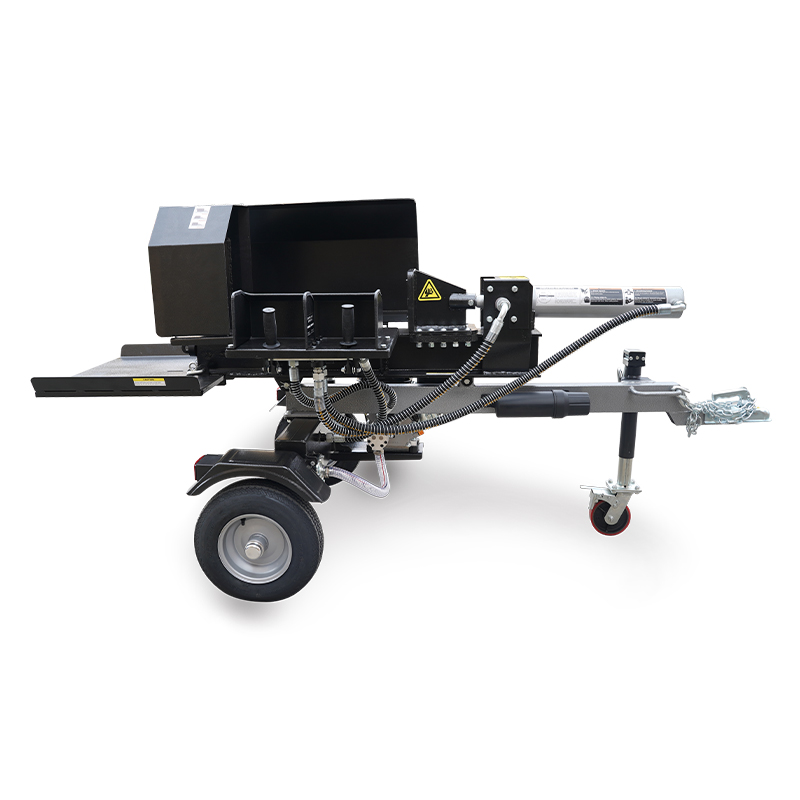
● Horizontal operation position only● Hardened steel wedge● Steel log ...
See Details -
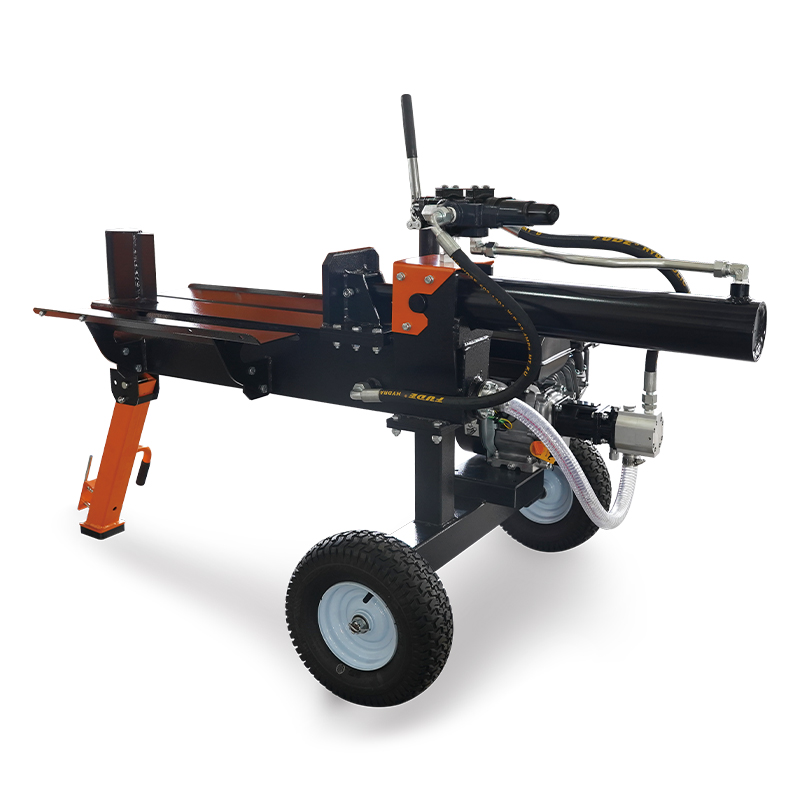
● Horizontal operation position only● Hardened steel wedge● Steel log ...
See Details -
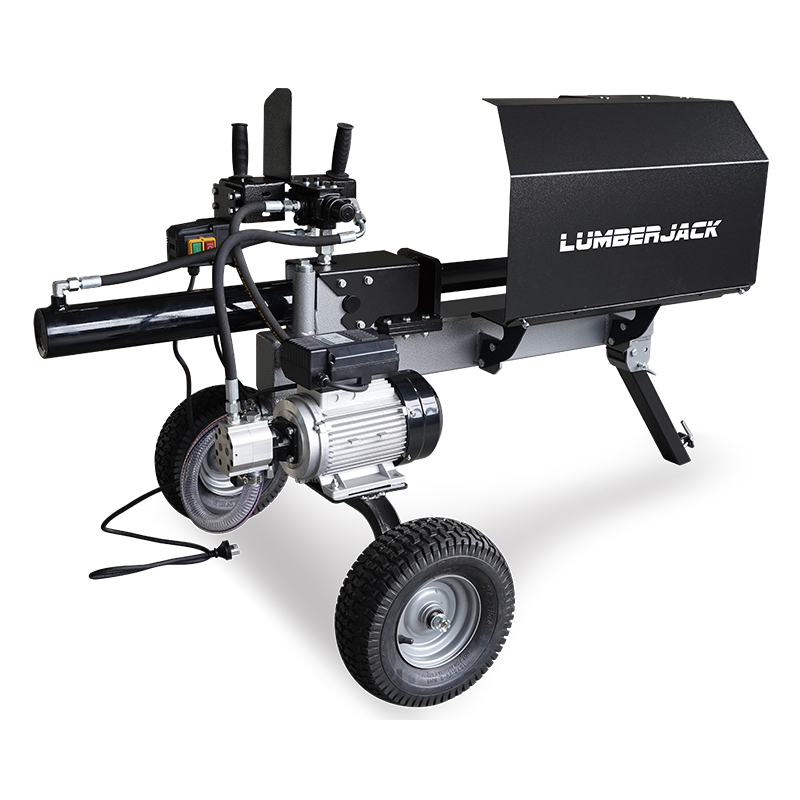
● Horizontal operation position only● Hardened steel wedge● Steel log ...
See Details
