
 LANGUAGE
 English
 Deutsch
 Español
 Français
 русский

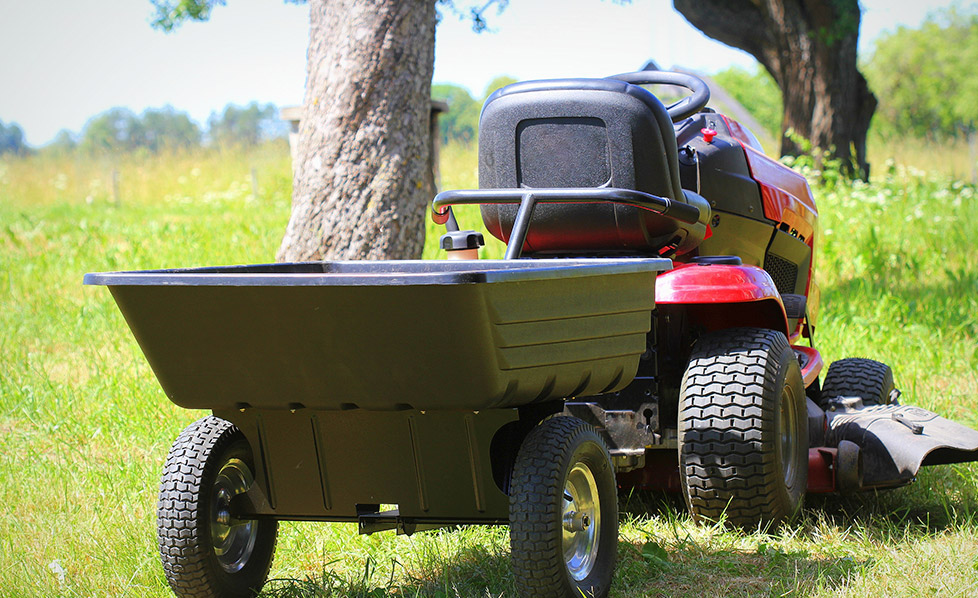











◆MODEL NO.: SP22109 ◆MEASURES 34"x48"(864x1219MM) AND IS IDEAL FOR HAU...
See Details
750 lb Trailer Cart SP22109: A Versatile Hauling Solution for Outdoor Work
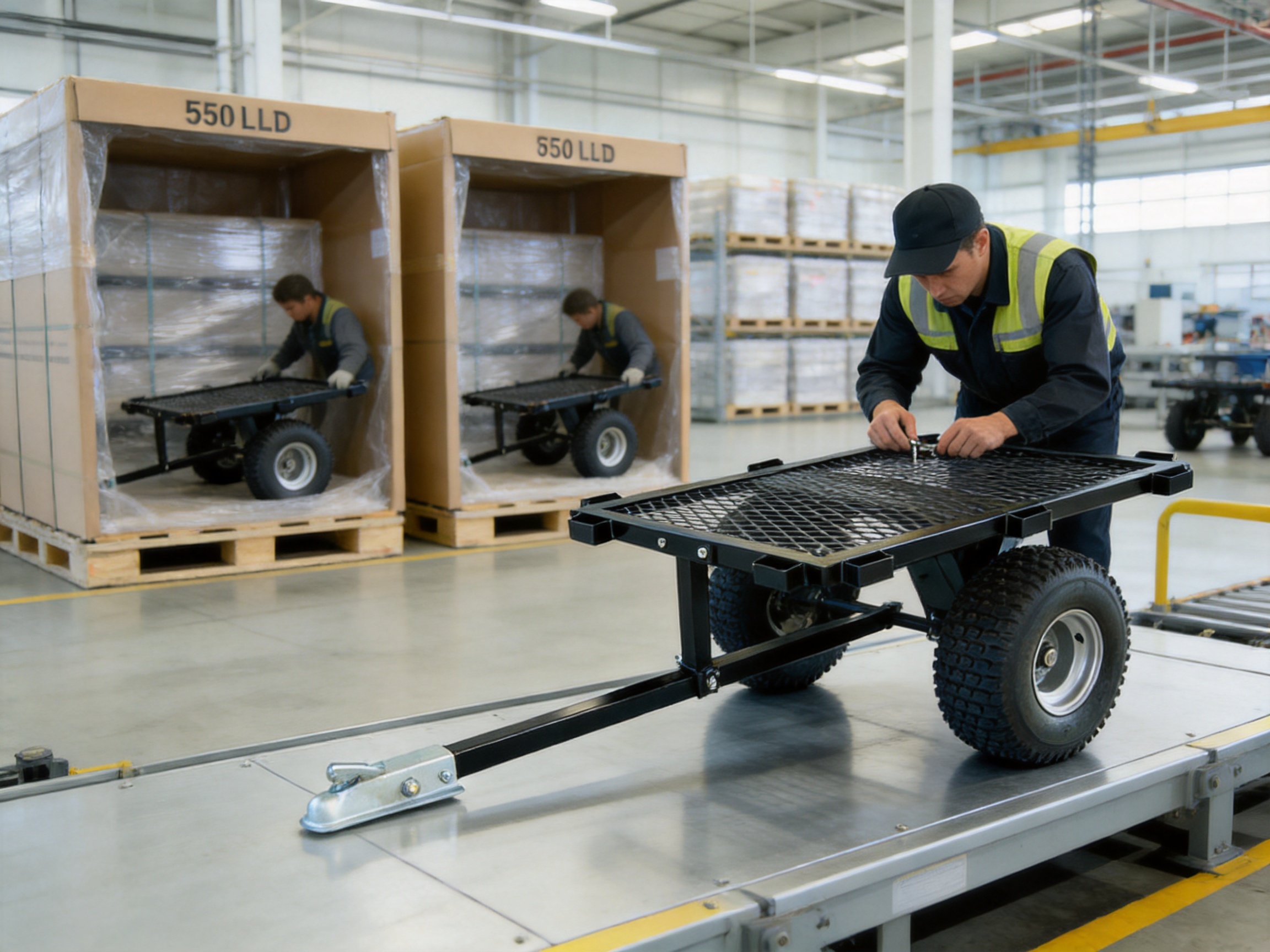
Moving bulky materials efficiently is one of the most common challenges faced by homeowners, landscapers, farmers, property managers, hunters, and outdoor maintenance professionals. Bags of fertilizer, firewood, tools, soil, game, branches, and other heavy or awkward loads can be difficult to transport by hand. A suitable trailer cart can reduce physical effort, improve productivity, and make routine property work significantly more convenient.
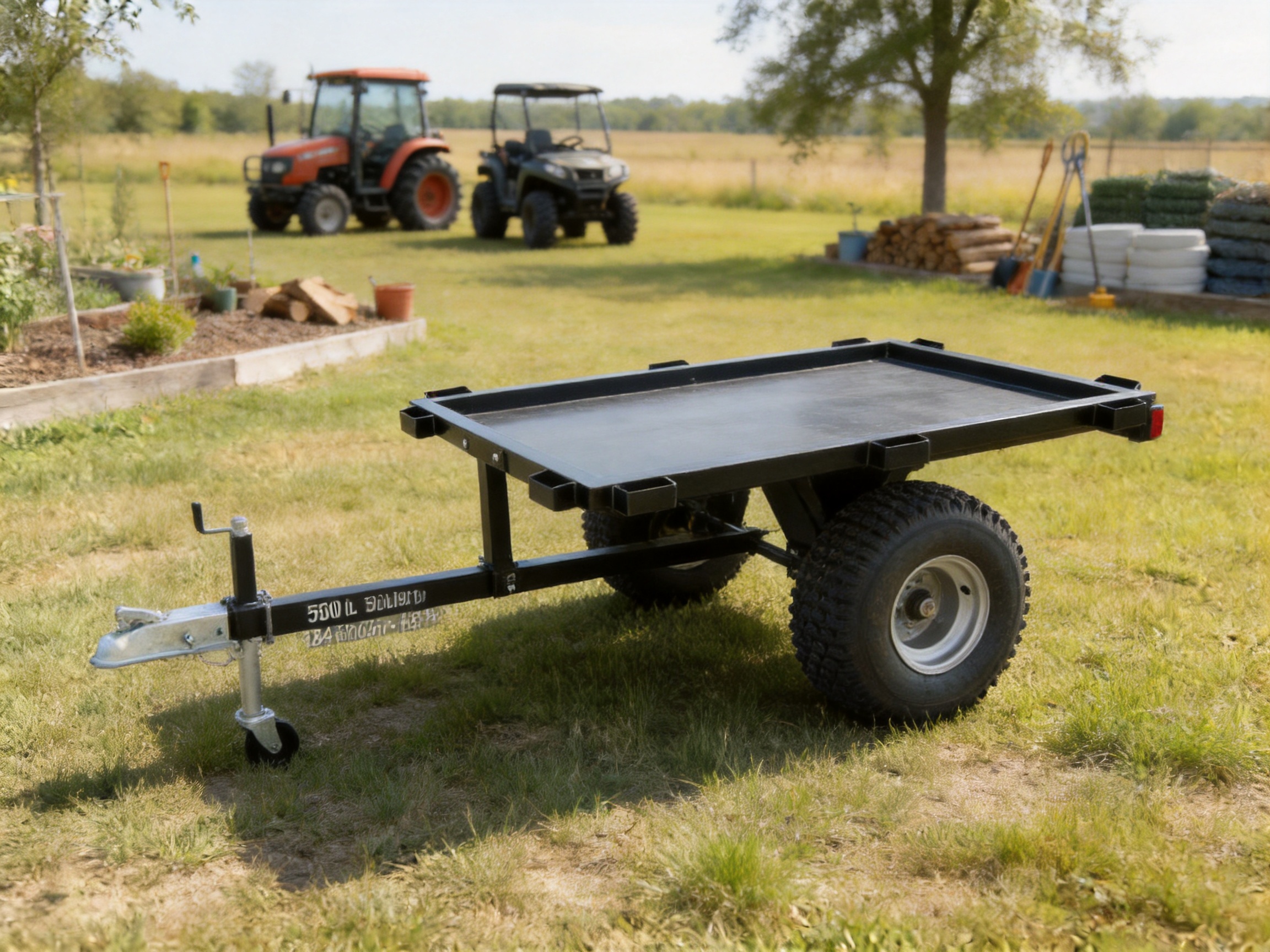
The 750 lb Trailer Cart SP22109 is designed as a practical hauling platform for a wide range of outdoor applications. Its 34-inch by 48-inch bed provides a useful loading surface, while its two-inch ball coupler allows it to be towed behind compatible cars, tractors, and all-terrain vehicles. The cart can be used as an open flatbed or adapted with user-built side panels, giving owners the flexibility to configure it for different types of cargo.
With a pneumatic 18-inch by 9-inch Department of Transportation tire and a stated maximum travel speed of 30 miles per hour, the SP22109 combines mobility with a straightforward, functional design. Rather than limiting users to one specialized task, it offers a foundation for hauling materials across residential properties, farms, gardens, hunting areas, and work sites.
Product Overview
The SP22109 is a trailer cart intended for towing behind suitable vehicles. Its primary purpose is to carry loads that are too large, heavy, dirty, or inconvenient to transport inside a vehicle. The open-bed layout makes loading and unloading simple, particularly when the cargo consists of irregularly shaped items.
The cart’s 750 lb designation places it in a useful middle range for outdoor hauling equipment. It is more capable than a small hand-pulled garden wagon while remaining compact enough for use around private properties and smaller work areas. This balance is important because a trailer that is too large may be difficult to maneuver, store, or match with a towing vehicle.
The bed measures 34 inches wide by 48 inches long, creating a rectangular loading area suitable for many common materials. Users can transport sacks of fertilizer, cut branches, firewood, landscaping supplies, tools, fencing components, hunting equipment, and other bulky items. The flatbed format also accommodates objects that do not fit well into enclosed containers.
The two-inch ball coupler is another central feature. A standard-style ball connection provides a familiar towing interface for compatible vehicles and equipment. The cart may be used behind cars, tractors, and ATVs, provided that the vehicle, hitch system, terrain, and load are appropriate for the application. Before towing, users should always confirm that the vehicle and hitch are rated for the cart’s loaded weight.
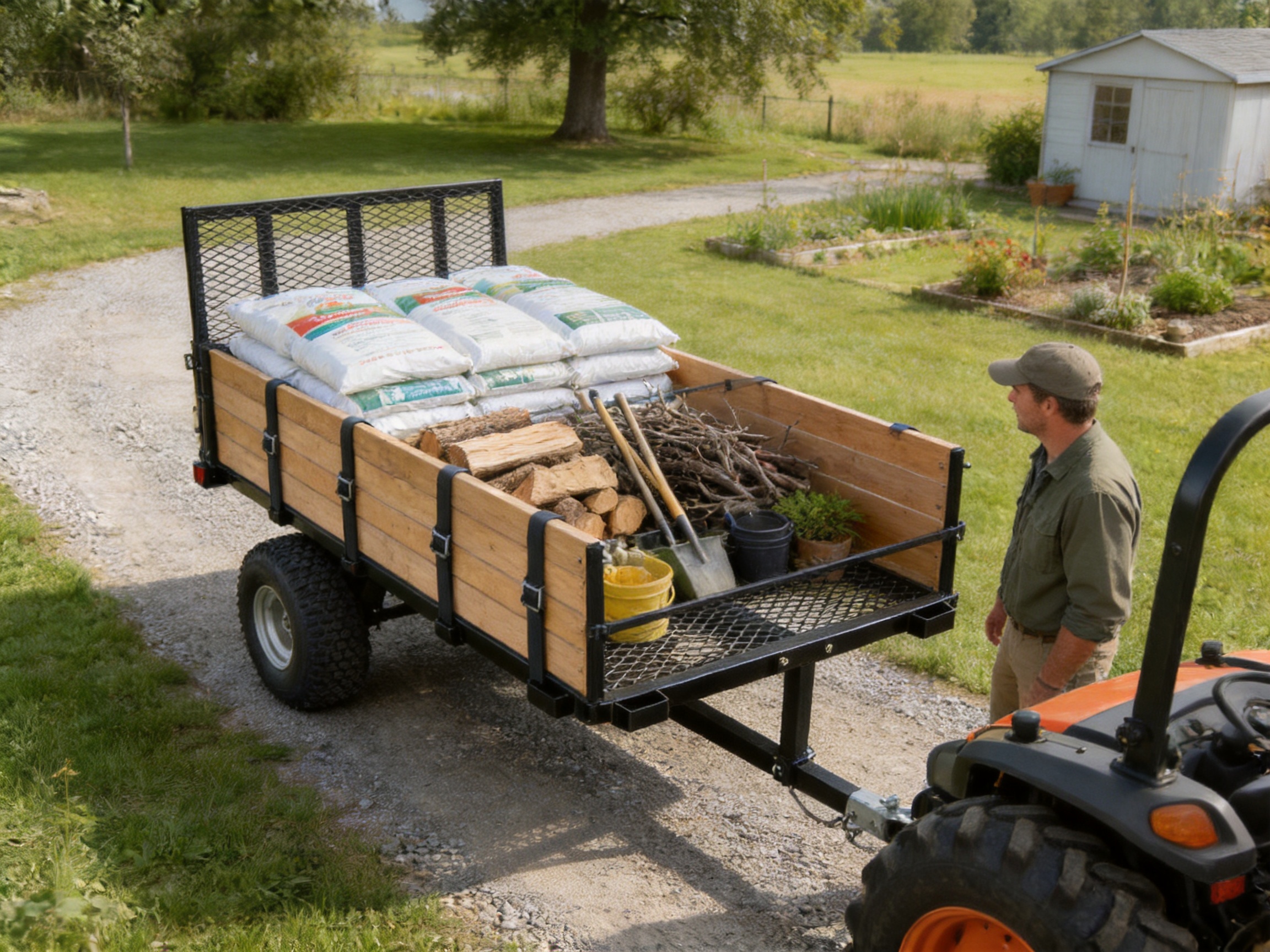
The open platform can also be modified with side panels. This feature allows owners to build their own containment system according to the intended cargo. Low side panels can help retain loose landscaping materials, while taller panels may be useful for leaves, branches, hay, or other lightweight items. Because the side panels are user-built, the final design should be structurally secure and should not exceed safe weight, height, or stability limits.
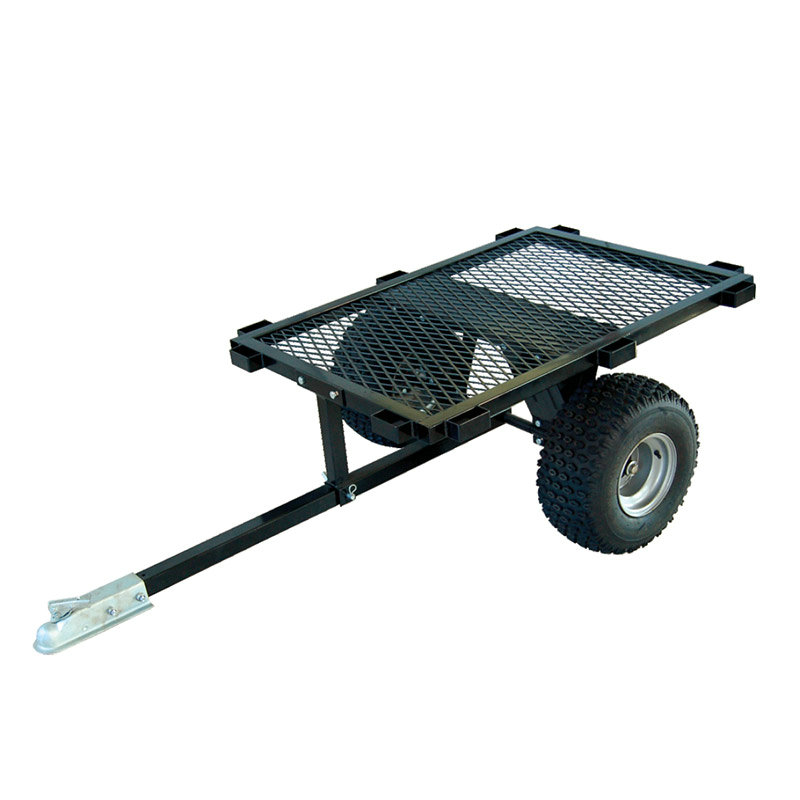
750lb Trailer Cart SP22109
Key Specifications
The following table summarizes the principal information supplied for the SP22109 trailer cart.
| Specification | Detail |
|---|---|
| Product model | SP22109 |
| Product type | Trailer cart |
| Rated product capacity | 750 lb |
| Bed dimensions | 34 inches by 48 inches; approximately 864 mm by 1,219 mm |
| Coupler | 2-inch ball coupler |
| Recommended towing applications | Compatible cars, tractors, and ATVs |
| Configuration | Flatbed, with the option to add user-built side panels |
| Tire | 18-inch by 9-inch pneumatic DOT tire |
| Stated maximum travel speed | 30 miles per hour |
| Packaging | Two packages |
| Package one size | 53.74 by 40.94 by 2.95 inches; approximately 136.5 by 104 by 7.5 cm |
| Package two size | 42.52 by 20.08 by 9.25 inches; approximately 108 by 51 by 23.5 cm |
| Net weight | Package one: 83.7 lb; package two: 50.66 lb |
| Gross weight | Package one: 89.2 lb; package two: 55 lb |
| Container loading reference | 192 pieces per 40-foot container |
Measurements and loading figures should be treated as product information for planning and purchasing purposes. Local towing laws, road regulations, vehicle limitations, assembly instructions, and the final operating manual should always take priority when the cart is put into service.
Designed for Practical Outdoor Hauling
The main advantage of the SP22109 is its ability to perform several hauling tasks without requiring a highly specialized trailer. Outdoor work often involves changing materials from one job to the next. One day, a property owner may need to move bags of mulch; the next day, the same person may need to transport firewood, branches, tools, or equipment.
A flatbed trailer cart is well suited to these changing requirements. Its open design allows users to place large items directly onto the platform. There is no need to force long, wide, or irregular objects through a narrow opening. The lack of fixed high walls also makes it easier to load bulky materials from the side.
The cart can be especially useful in locations where repeated trips by hand would consume substantial time. Transporting one sack or bundle at a time may be possible, but the process becomes inefficient over distance. By consolidating several items into a single load, the SP22109 can help reduce walking, lifting, and unnecessary vehicle movement.
For landscaping work, the cart can carry bags of soil, fertilizer, seed, gravel, tools, edging materials, and small plants. For property maintenance, it can transport fallen limbs, brush, fence posts, replacement parts, and refuse. In agricultural or rural environments, it may assist with moving feed, supplies, or harvested materials, subject to the cart’s capacity and the terrain.
The product description also identifies game and sacks of fertilizer as suitable examples. These applications demonstrate the cart’s broad purpose: it is intended for loads that may be heavy, bulky, dirty, or difficult to carry in a passenger vehicle.
Advantages of the Flatbed Configuration
The flatbed configuration is one of the strongest differentiating features of the SP22109. Many hauling products are built around a fixed box, hopper, or container. Those designs can be convenient for specific materials, but they may restrict the size and shape of the load. A flatbed provides a more adaptable starting point.
Large sacks can be arranged across the platform. Logs can be placed lengthwise or crosswise. Equipment cases can be secured with straps. Long materials can extend over the bed when they are properly supported and legally transported. Users can also add removable boards, rails, or side panels according to the job.
This adaptability can be valuable for professional users who do not want to purchase multiple carts for different tasks. It is also useful for homeowners who need a general-purpose trailer rather than a single-purpose machine. The cart becomes a platform that can be configured around the cargo instead of requiring the cargo to fit one permanent body style.
However, customization should be approached carefully. Added panels increase weight and may change the center of gravity. Tall sidewalls can catch wind and affect handling. User-installed accessories must be firmly attached and should not interfere with the coupler, tires, axle, lighting, or other safety-related components. The total load, including modifications, must remain within the applicable capacity limits.
Two-Inch Ball Coupler and Towing Compatibility
The two-inch ball coupler provides a commonly recognized connection point for towing. Its familiar format can simplify integration with compatible hitch-equipped cars, tractors, and ATVs. For many outdoor users, this means the cart can be used with equipment already available on the property rather than requiring a dedicated towing machine.
Compatibility should not be assumed solely because a vehicle has a hitch. The hitch ball must match the coupler specification, and the towing vehicle must have sufficient capacity for the cart and its load. The operator should also consider braking ability, ground clearance, turning space, wheel traction, and the type of terrain.
Before every use, the coupler should be properly seated on the hitch ball and secured according to the operating instructions. Safety chains, retaining mechanisms, and other required connection components should be inspected for correct installation. The trailer should not be used if the coupler is damaged, improperly locked, or incompatible with the towing vehicle.
Cars may be suitable for certain controlled towing situations, but a car is not automatically appropriate for every terrain or load. Tractors and ATVs may provide better low-speed maneuverability on private land, yet they also have specific limitations. Operators should use a sensible speed and avoid slopes, sharp turns, or surfaces that exceed the capability of the vehicle and cart.
The stated 30-mile-per-hour tire rating should not be interpreted as a universal recommendation to travel at that speed. Actual safe speed depends on load distribution, road surface, tire condition, weather, visibility, towing vehicle performance, and local regulations. Low-speed operation is generally preferable on uneven ground, narrow trails, steep grades, and areas with pedestrians or animals.
Pneumatic Tire Performance
The SP22109 uses an 18-inch by 9-inch pneumatic DOT tire. The relatively large diameter is beneficial for outdoor movement because it can roll over small surface irregularities more easily than a small wheel. A wider tire can also provide useful support on appropriate surfaces, although performance depends on inflation pressure, ground conditions, total weight, and tread characteristics.
Pneumatic tires offer a degree of cushioning that solid wheels do not. This can help the cart travel over compact soil, gravel, grass, and other outdoor surfaces with less abrupt impact. The tire also contributes to a smoother towing experience when the cart is used within its intended operating conditions.
Tire maintenance is essential. Operators should inspect the tire before use, check inflation according to the applicable specification, and look for cuts, cracking, punctures, exposed cords, or abnormal wear. A tire that appears inflated may still be underinflated or damaged. Because a trailer cart carries substantial weight, tire condition directly affects stability and control.
The term DOT tire indicates that the tire is associated with a road-use classification or regulatory marking, but users must still comply with all local requirements. Depending on the region, road operation may require additional equipment such as reflectors, lighting, registration, safety chains, or other components. Product buyers should verify these requirements before using the cart on public roads.
When transporting a load, weight should be distributed evenly across the bed. Concentrating the load at one side can affect balance, while placing too much weight toward the rear or front can create undesirable hitch loading. Cargo should be secured with suitable straps or restraints, especially when traveling over rough surfaces or when carrying materials that could shift.
Capacity and Load Management
The 750 lb product designation gives users a clear indication of the cart’s intended hauling range. Nevertheless, capacity should be understood as a complete system limit rather than merely the amount of cargo placed on the bed. The total operating condition includes the cargo, any side panels or accessories, and the dynamic forces created while moving.
Load distribution is as important as total weight. Heavy items should be placed low and arranged so the cart remains balanced. Loose materials should be contained so that they cannot fall from the platform. Long objects should be supported and secured at multiple points when necessary. The load should not block the operator’s view, interfere with the wheels, or contact the ground during turns.
A cart may carry a certain weight while stationary, yet towing over bumps can create higher forces. Sudden starts, hard braking, steep inclines, potholes, and sharp turns can all increase stress on the structure and hitch. Smooth acceleration and controlled speed are therefore important even when the load appears to be within the rated limit.
Users should avoid treating the cart as a passenger carrier. It is designed for hauling materials and equipment, not people or animals. Loads should remain stable during movement, and operators should stop immediately if they notice excessive swaying, unusual noise, tire problems, contact between the load and the wheels, or any sign of structural damage.
Comparison with Other Outdoor Hauling Options
The SP22109 occupies a practical position between a hand-operated garden wagon and a larger utility trailer. Each hauling method has advantages, but the trailer cart offers a useful combination of capacity, compact dimensions, and towing flexibility.
A hand wagon may be suitable for very short distances and light loads, but it requires continuous manual effort. Moving several hundred pounds by hand can be physically demanding and inefficient, particularly across uneven ground. The SP22109 transfers the pulling work to a compatible vehicle, allowing the operator to transport a larger load with less direct exertion.
A dedicated dump cart may offer a dumping mechanism for soil or loose materials. However, a dump mechanism can add weight, cost, moving parts, and maintenance requirements. The SP22109 instead focuses on a straightforward flatbed structure. For users who need a versatile platform rather than a dumping function, this simpler layout can be an advantage.
A fixed-sided utility trailer may provide greater containment for loose cargo, but it may also be heavier, larger, or less adaptable to irregular loads. The SP22109 can be customized with side panels when required, while remaining open and accessible for basic flatbed use.
A large road trailer may provide more capacity and additional features, but it can be excessive for routine property work. Larger trailers often require more storage space and a more powerful towing vehicle. The compact bed of the SP22109 is better suited to users who need a manageable utility cart for gardens, farms, estates, workshops, and outdoor maintenance tasks.
Its competitive strength is therefore not based on one feature alone. The value comes from the combination of a 750 lb capacity, a practical 34-inch by 48-inch bed, a standard-style two-inch ball coupler, a pneumatic DOT tire, and an adaptable flatbed layout. Together, these features create a general-purpose hauling tool for a broad range of users.
Manufacturing Expertise and Quality Focus
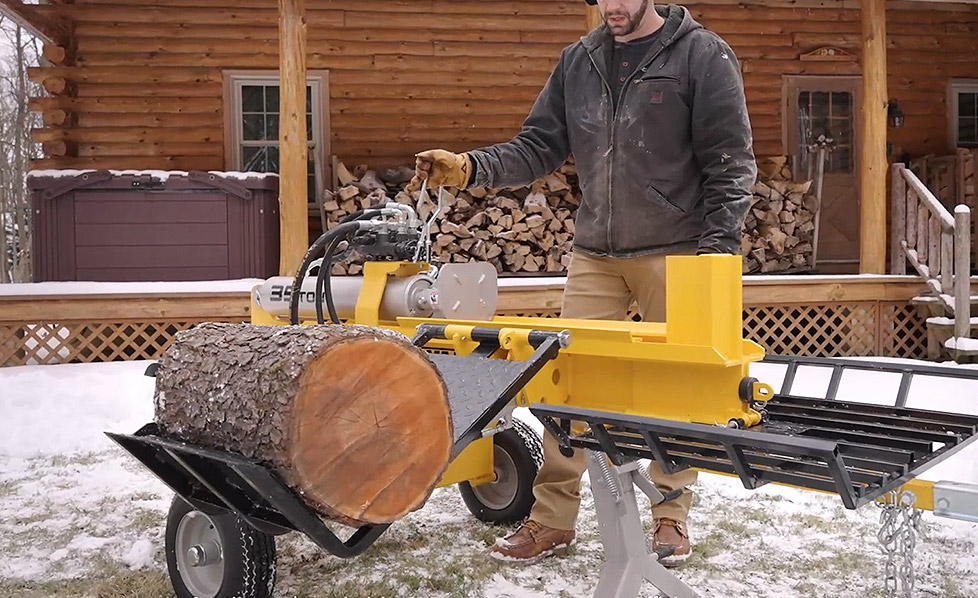
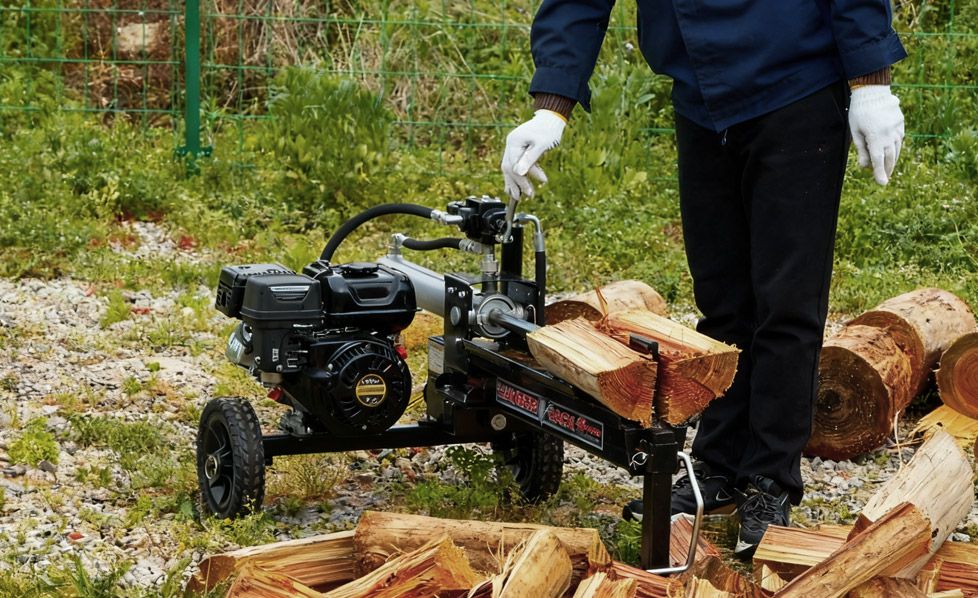
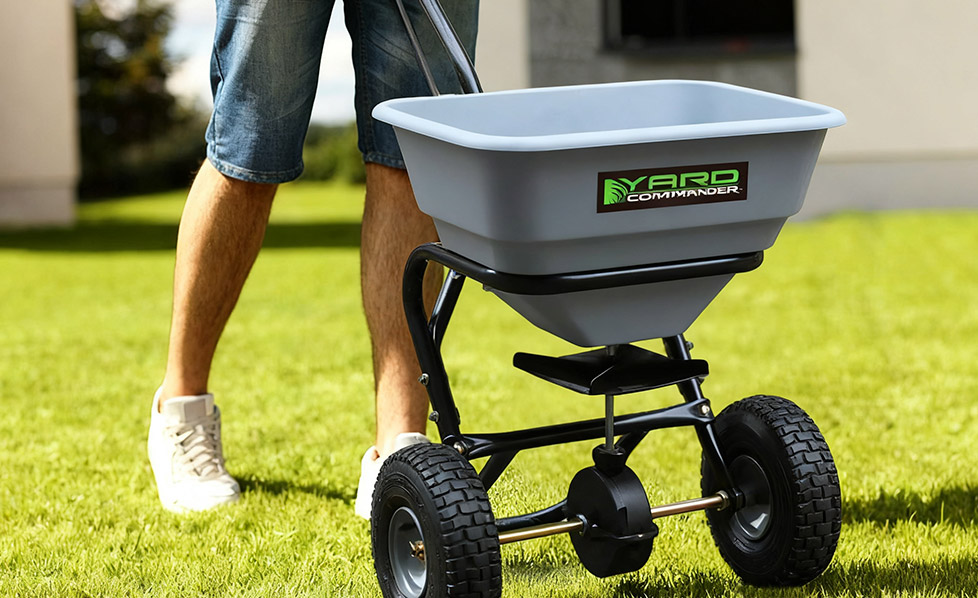
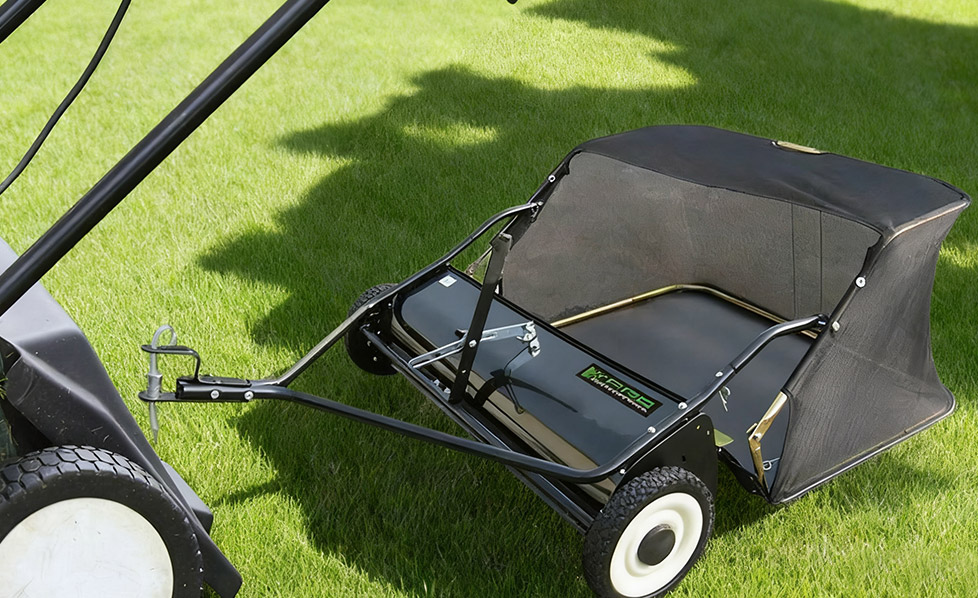
The SP22109 is manufactured by Jiashan Superpower Tools Co., Ltd., a Chinese producer specializing in log splitters, dump carts, spreaders, lawn sweepers, lawn aerators, and other lawn and garden equipment. The company was established in 1997 and has accumulated more than two decades of experience in outdoor power equipment manufacturing.
This product background is relevant because trailer carts are part of a broader equipment category requiring practical knowledge of outdoor use, load handling, mobility, and durability. A manufacturer that produces several types of garden and utility equipment can apply experience from related products to design, sourcing, production, and quality control.
The company’s manufacturing facility is located in the Huimin Economic Development Zone in Jiashan County, Zhejiang Province, between Shanghai and Hangzhou. This location provides access to established industrial supply networks, transportation infrastructure, component suppliers, and export channels.
The company operates under an ISO 9001:2015-certified quality management system. ISO-based quality management emphasizes documented procedures, process control, corrective action, traceability, and ongoing improvement. For buyers, this is important because consistent manufacturing is not achieved only through final inspection. It depends on controlling the full production process, from product planning and incoming materials to assembly, inspection, packaging, and shipment.
Quality management is particularly important for trailer carts because several components must function together. The bed must remain structurally sound under load. The axle and wheel assembly must support movement. The coupler must connect securely. Fasteners must be properly installed. Packaging must protect the product during international transportation. A controlled production system helps reduce variation among units and supports more reliable customer service.
The company also reports that many of its products carry CE certification. Certification and compliance markings apply according to the relevant product and market requirements, so buyers should confirm the specific documentation associated with the SP22109 and the destination country. Even so, experience with international markets indicates an established awareness of export standards, technical documentation, and customer expectations.
Advanced Production Process
A quality trailer cart begins with product engineering. Designers must consider bed dimensions, load distribution, coupler placement, tire clearance, ground clearance, packaging requirements, and the practical needs of the user. The goal is to create a product that is not only functional on paper but also convenient to assemble, tow, store, and maintain.
Material preparation is another important stage. Structural components should be produced to consistent dimensions so that the finished frame and bed align correctly. Accurate cutting, forming, drilling, and fixture control help ensure that components can be assembled with the correct geometry. Consistent dimensions also support efficient packaging and reduce problems during final assembly.
Welding or other joining operations require appropriate process control. The quality of a joint depends on preparation, alignment, heat management, operator skill, and inspection. A production environment with defined procedures can help maintain repeatability across multiple units. Visual inspection and dimensional checks are used to identify issues such as incomplete joints, distortion, poor alignment, or surface defects.
Surface treatment contributes to the product’s resistance to the outdoor environment. Trailer carts may be exposed to rain, moisture, soil, fertilizer, grass, mud, and road contaminants. Proper cleaning, preparation, coating, and curing can help protect metal surfaces from premature deterioration. Users still need to clean and maintain the cart, but a well-controlled factory finish provides an important first line of protection.
Assembly involves more than attaching parts. The coupler, wheel system, fasteners, bed, and supporting components must be fitted in the correct sequence and checked for alignment. Assembly instructions and inspection procedures help ensure that the finished product is ready for safe customer completion and use.
Functional inspection may include checking wheel movement, coupler operation, fastener installation, dimensional accuracy, packaging integrity, and visible surface quality. Depending on the production and market requirements, additional checks may be performed on components or finished units. The exact inspection program should be confirmed with the manufacturer or authorized supplier for a specific order.
Packaging is also part of the manufacturing process. The SP22109 is supplied in two packages, with the bed and other components arranged to support shipping efficiency. A well-planned package helps reduce freight volume and protects components from handling damage. The listed 40-foot container loading reference of 192 pieces demonstrates that the product has been considered for organized international distribution.
Benefits for Distributors and Commercial Buyers
For distributors, the SP22109 offers several characteristics that can support a broad outdoor equipment product line. Trailer carts are understandable to end users and can be marketed to multiple customer segments, including residential, agricultural, landscaping, hunting, and property maintenance customers.
The model’s simple product concept can also make sales communication more straightforward. Buyers can quickly understand the core purpose: attach the cart to a compatible towing vehicle and use the flatbed to transport bulky items. The 750 lb designation, 34-inch by 48-inch bed, two-inch ball coupler, and pneumatic tire provide clear points for product comparison.
Its flatbed configuration may help distributors serve customers with different requirements without stocking numerous specialized cart bodies. Some users will prefer an open deck, while others may add side panels or containment features. This provides an opportunity to present the cart as a flexible platform rather than a single-purpose tool.
The two-package shipping format can support warehouse planning and containerized export. The listed package dimensions and weights allow importers to estimate storage, handling, and freight requirements. Before placing an order, commercial buyers should confirm carton markings, palletization, spare parts availability, assembly requirements, documentation, warranty terms, and destination-market compliance.
The manufacturer’s product range is another potential advantage for business partners. A company already producing log splitters, spreaders, lawn sweepers, dump carts, and related equipment may offer opportunities for coordinated sourcing. Retailers and importers can potentially build a broader outdoor equipment category around complementary products from one established supplier.
Applications Across Different Work Environments
Residential Properties
Homeowners with large yards often need to move materials over distances that make hand carrying impractical. The SP22109 can assist with garden supplies, firewood, branches, landscaping materials, tools, and seasonal cleanup. Its compact bed is suitable for many residential tasks while remaining easier to store than a full-size utility trailer.
Landscaping and Grounds Maintenance
Landscapers and grounds crews can use a trailer cart to move fertilizer sacks, soil, mulch, tools, edging materials, and plant-care supplies. The open bed supports quick loading, while optional side panels may help contain loose items. Operators should separate heavy materials from fragile equipment and secure every load before moving.
Farms and Rural Properties
On farms and rural properties, a cart can reduce repeated trips between storage buildings, fields, barns, and work areas. It may be useful for transporting feed bags, fencing supplies, hand tools, cut vegetation, or maintenance materials. Terrain conditions should be evaluated carefully, especially when the cart is loaded and used on slopes.
Hunting and Outdoor Recreation
The product description specifically identifies game as one possible type of cargo. It may also be used for camping gear, field equipment, coolers, tools, and supplies. Outdoor recreational users should consider ground clearance, trail width, access conditions, and secure cargo handling before entering remote areas.
Property and Estate Management
Large estates, parks, nurseries, and managed grounds often require routine transportation of materials. A trailer cart can help staff move debris, replacement items, maintenance tools, and supplies without dedicating a larger truck to every small task. Its value is especially apparent when work locations are spread across a property.
Safe Operating Practices
Safe operation begins with reading the complete assembly and operating instructions. The cart should be assembled with the correct hardware and checked before its first use. Any components that appear damaged, missing, bent, or incorrectly fitted should be addressed before loading the cart.
The towing vehicle should be parked securely when the cart is connected. The coupler must be correctly positioned on the compatible two-inch ball and secured using the appropriate locking mechanism. Safety chains and other required connection components should be attached as instructed.
The operator should inspect the tire, wheel, axle, bed, coupler, fasteners, and load restraints before each trip. Tire pressure should be checked according to the applicable specification. Loose fasteners, unusual wear, cracks, bent components, or damaged welds are reasons to stop using the cart until it has been inspected and repaired.
Loads should be distributed evenly and secured against movement. The center of gravity should remain as low as practical. Operators should avoid sudden maneuvers, excessive speed, and abrupt braking. Turns should be wider than those made by the towing vehicle alone because the cart follows a different path.
Extra caution is necessary on slopes. A loaded cart can increase stopping distance and may affect vehicle stability. Operators should avoid cross-slope travel when possible, use controlled speeds, and follow the towing vehicle manufacturer’s guidance. If conditions become unsafe, the cart should be unloaded or the task should be postponed.
Public-road use must comply with applicable laws. Depending on location, a trailer may require registration, lighting, reflectors, mudguards, a license plate, safety chains, or other equipment. The presence of a DOT-marked tire does not by itself confirm that the complete cart is approved for every road-use situation.
Maintenance and Long-Term Care
Regular cleaning helps preserve the cart and makes damage easier to detect. Soil, fertilizer, plant material, and moisture should not be allowed to accumulate on the bed or around moving components. After exposure to corrosive materials, the cart should be cleaned and dried as soon as practical.
The tire should be inspected for punctures, cuts, cracking, and uneven wear. Wheel and axle components should be checked according to the maintenance instructions. Fasteners should be inspected periodically because vibration can loosen hardware over time. Any replacement parts should meet the required specifications rather than being selected solely by appearance.
The flatbed should be examined for bending, distortion, corrosion, or damage caused by overloading. User-built side panels should also be checked for loose fasteners, broken boards, sharp edges, and interference with the cart’s moving parts. Accessories that change the cart’s weight or balance should be removed if they compromise safe handling.
When the cart is not in use, it should be stored in a dry, stable location. Parking it on a hard, level surface can reduce unnecessary strain on the tires and coupler. If outdoor storage is unavoidable, a suitable cover and periodic inspection can help reduce exposure to moisture and ultraviolet light.
Why the SP22109 Is a Strong General-Purpose Choice
The SP22109 is not built around a complicated operating system. Its value comes from a focused design that addresses common hauling requirements. The 750 lb capacity gives it meaningful utility, while the 34-inch by 48-inch bed keeps the platform compact enough for routine property work.
The two-inch ball coupler supports use with several categories of towing vehicles. The flatbed layout accepts a variety of cargo shapes. The option to add side panels provides room for customization. The 18-inch by 9-inch pneumatic DOT tire is intended for practical outdoor mobility. These features work together to create a flexible cart that can serve homeowners and commercial users alike.
Compared with a small hand wagon, it provides a more efficient way to transport heavier loads. Compared with a large trailer, it may require less storage space and a less specialized towing setup. Compared with a fixed-body cart, its open platform can be more adaptable. This balanced design is the product’s primary advantage over narrowly focused alternatives.
The support of an experienced outdoor equipment manufacturer adds further value. Jiashan Superpower Tools Co., Ltd. has operated since 1997, maintains an ISO 9001:2015-certified quality management system, and supplies outdoor equipment to customers in North America, Europe, Australia, Asia, South America, and other markets. Its manufacturing experience, product range, and international orientation provide a solid foundation for supplying the SP22109 to distributors and end users.
Purchasing Considerations
Potential buyers should first determine how the cart will be used. Important questions include the average load weight, the largest item dimensions, the towing vehicle, the terrain, the distance of travel, and whether side panels will be needed. These answers help determine whether a flatbed cart is more suitable than a dump cart, enclosed trailer, or larger utility trailer.
Buyers should confirm the final product specifications, assembly requirements, included components, warranty coverage, spare parts policy, and compliance documents before ordering. Commercial customers should also request packaging details, loading plans, minimum order quantities, production lead times, inspection procedures, and shipping terms.
For international distribution, the destination country’s requirements should be reviewed in advance. Product labels, manuals, road-use equipment, customs documentation, and certification records may vary by market. A qualified importer or compliance professional can help determine the applicable requirements.
It is also useful to consider after-sales support. A reliable supplier should be able to provide assembly guidance, parts identification, maintenance information, and responses to technical questions. For fleet or commercial use, access to replacement tires, coupler components, fasteners, and other service parts can help reduce downtime.
Frequently Asked Questions
What is the intended use of the SP22109?
The SP22109 is a trailer cart intended for hauling bulky outdoor materials. Typical examples include game, fertilizer sacks, firewood, branches, landscaping supplies, tools, and other equipment. It is designed to be towed rather than manually pulled over long distances.
What is the bed size?
The bed measures 34 inches by 48 inches, equivalent to approximately 864 by 1,219 millimeters. This provides an open loading platform for a range of irregularly shaped items.
Can the cart be used without side panels?
Yes. The product is designed to function as a flatbed. Users may build and install their own side panels when additional containment is required, provided that the additions are secure and do not exceed safe weight, balance, or clearance limits.
What type of hitch connection does it use?
The cart uses a two-inch ball coupler. The towing vehicle must have a compatible hitch ball and sufficient towing capacity. The coupler should be locked and secured according to the product instructions before operation.
Which vehicles may tow the cart?
The product information identifies cars, tractors, and ATVs as possible towing vehicles. Actual suitability depends on the vehicle’s towing capacity, hitch system, braking ability, terrain, load, and local regulations.
What type of tire is installed?
The cart uses an 18-inch by 9-inch pneumatic DOT tire. Tire inflation, condition, and compatibility should be checked before operation, and the tire should be maintained according to the applicable specifications.
Is the cart suitable for highway travel?
The product information states a tire speed of 30 miles per hour, but this does not automatically authorize highway use. Road operation depends on local laws and on whether the complete cart has the required lighting, reflectors, registration, safety equipment, and approvals. Buyers should verify the rules in the intended operating region.
How should cargo be arranged?
Heavy items should be positioned low and distributed evenly over the bed. Cargo should be secured against movement and kept clear of the tires, coupler, and ground. The operator should avoid overloading one side or placing excessive weight at the front or rear.
What is included in the packaging?
The product is listed as being supplied in two packages. The first package measures approximately 53.74 by 40.94 by 2.95 inches, and the second measures approximately 42.52 by 20.08 by 9.25 inches. Buyers should confirm the exact package contents and assembly requirements with the supplier.
How much does the packaged product weigh?
The listed net weights are 83.7 lb for the first package and 50.66 lb for the second package. The listed gross weights are 89.2 lb and 55 lb, respectively. These figures are useful for handling and shipping planning.
What manufacturing qualifications support the product?
The manufacturer has operated since 1997 and specializes in outdoor power and lawn and garden equipment. Its facility operates under an ISO 9001:2015-certified quality management system, and the company reports that many of its products carry CE certification. Specific documentation for a particular model and market should be confirmed before purchase.
How should the cart be maintained?
Users should clean the bed, inspect the tire and coupler, check fasteners, look for structural damage, and store the cart in a stable, dry location when possible. Maintenance should follow the product manual and should be performed before damage becomes a safety concern.
Conclusion
The 750 lb Trailer Cart SP22109 is a practical and adaptable hauling platform for outdoor work. Its 34-inch by 48-inch flatbed provides space for bulky materials, while the two-inch ball coupler supports towing behind compatible cars, tractors, and ATVs. The pneumatic 18-inch by 9-inch DOT tire is suited to controlled outdoor mobility, and the option to add user-built side panels expands the cart’s usefulness.
Its advantages over more limited hauling options come from its balance of capacity, compact dimensions, open access, towing compatibility, and customization potential. It can serve homeowners, landscapers, farmers, hunting users, property managers, and commercial distributors who need a versatile cart for recurring hauling tasks.
The product is supported by the experience of Jiashan Superpower Tools Co., Ltd., a manufacturer established in 1997 with a focus on lawn, garden, and outdoor power equipment. The company’s ISO 9001:2015-certified quality management system, international market experience, broad product range, and emphasis on efficient and cost-effective equipment reinforce its ability to serve global customers.
For the best results, users should match the cart to an appropriate towing vehicle, distribute and secure loads carefully, follow speed and terrain limitations, maintain the tires and connection components, and observe all applicable transportation regulations. Used responsibly, the SP22109 can make a wide range of outdoor hauling jobs more efficient and manageable.
References
1. Product specification sheet for Trailer Cart Model SP22109, including dimensions, coupler information, tire specification, packaging data, and stated capacity.
2. Company profile and manufacturing information for Jiashan Superpower Tools Co., Ltd.
3. ISO 9001:2015 quality management system principles and process-control guidance.
4. General trailer safety practices covering hitch connection, load distribution, cargo restraint, tire inspection, and towing operation.
5. General outdoor equipment maintenance guidance for pneumatic tires, metal frames, couplers, fasteners, and protective finishes.
Product: 750lb Trailer Cart SP22109
PREV:70 lb Tow Spreader SP31575: Practical Year-Round Material Distribution for Lawns and Grounds
NEXT:No next article
NEXT:No next article
Interested in cooperation or have questions?
Related products
-
-
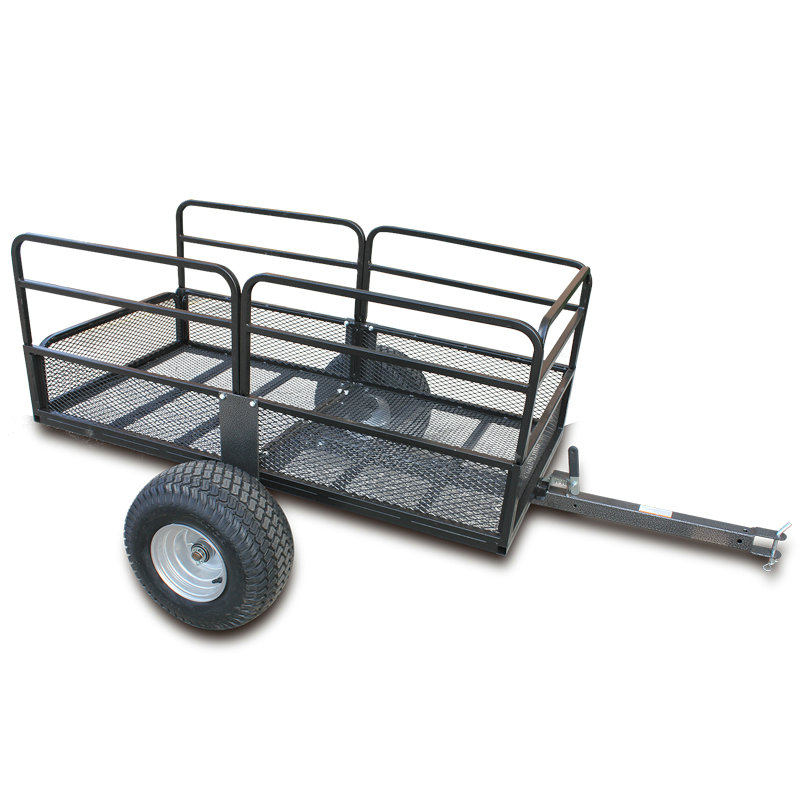
MODEL NO.: SP 22150 Removable rails and tailgate make hauling convenie...
See Details -
DESCRIPTION ♦Rust resistant powder coat finish ♦Removabl...
See Details -
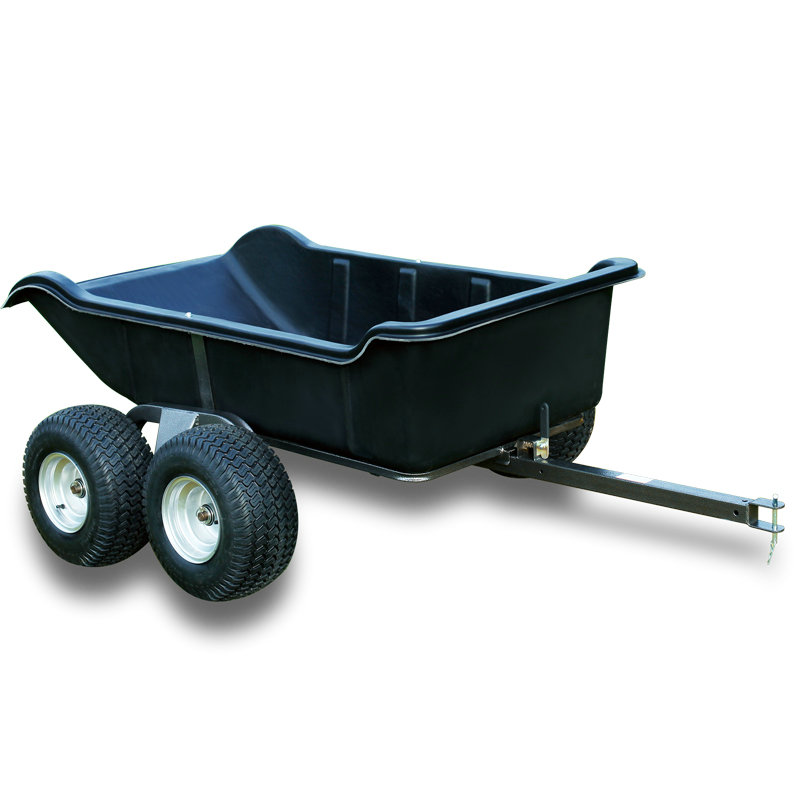
Quick release tipper latch makes loading and unloading convenient and ...
See Details -
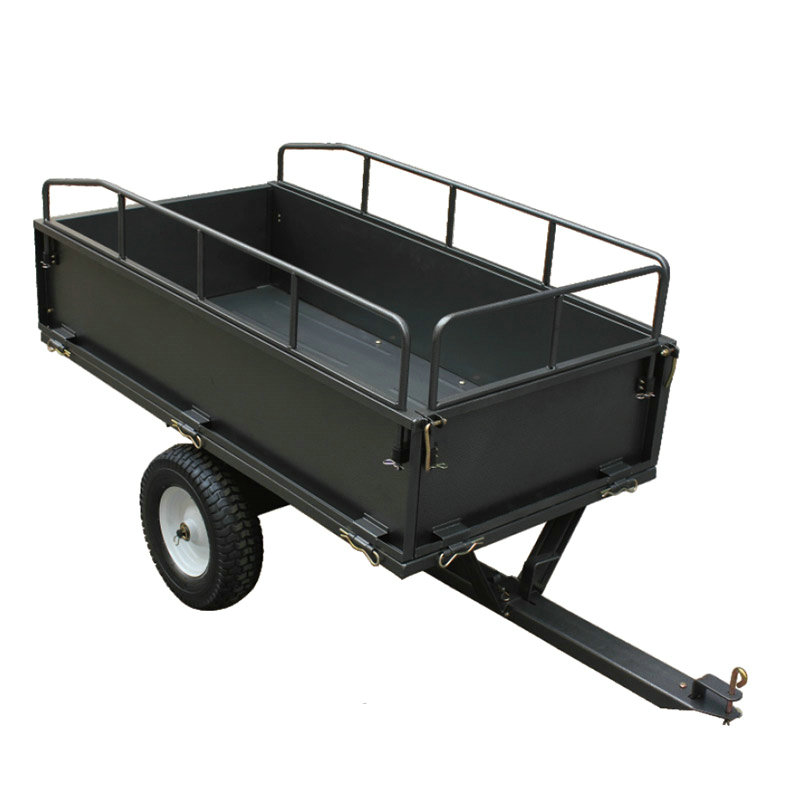
MODEL NO.: SP22125 CAPACITY: 900LB NEW EASY ASSEMBLE DESIGN FOOT PEDAL...
See Details -
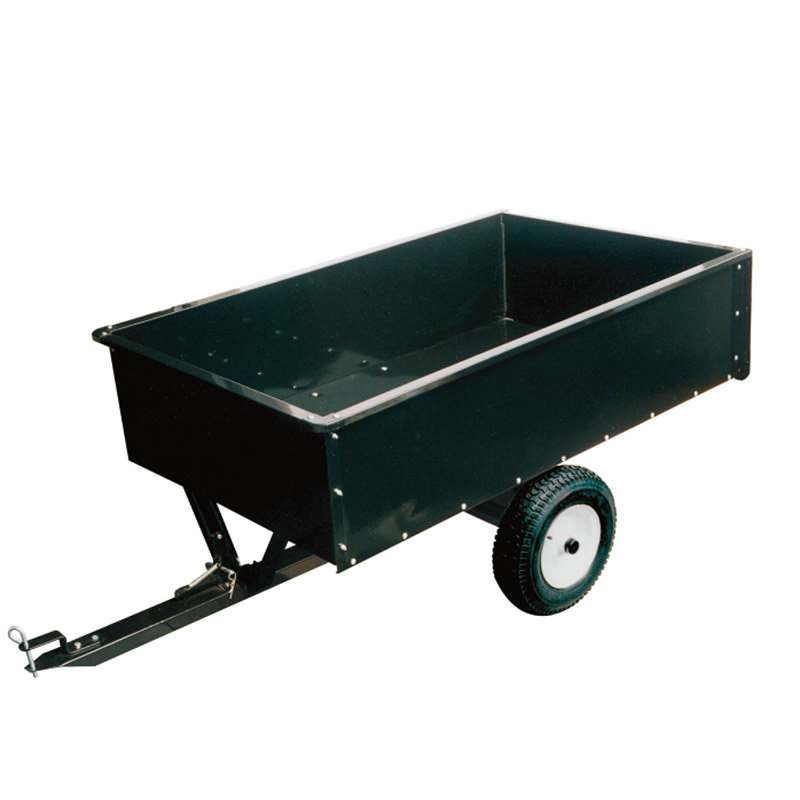
DESCRIPTION ♦Rust resistant powder coat finish ♦Removabl...
See Details
