
 LANGUAGE
 English
 Deutsch
 Español
 Français
 русский

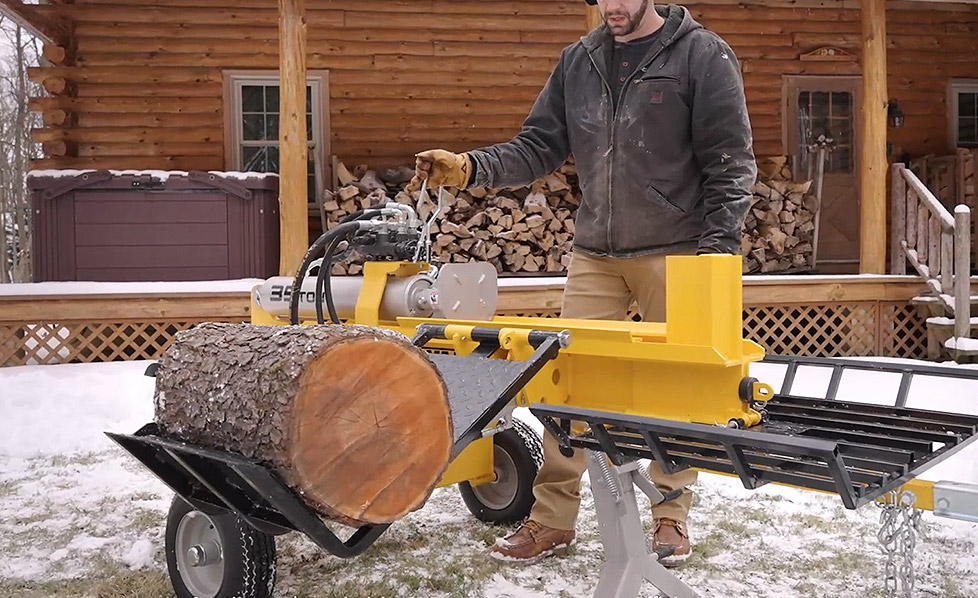
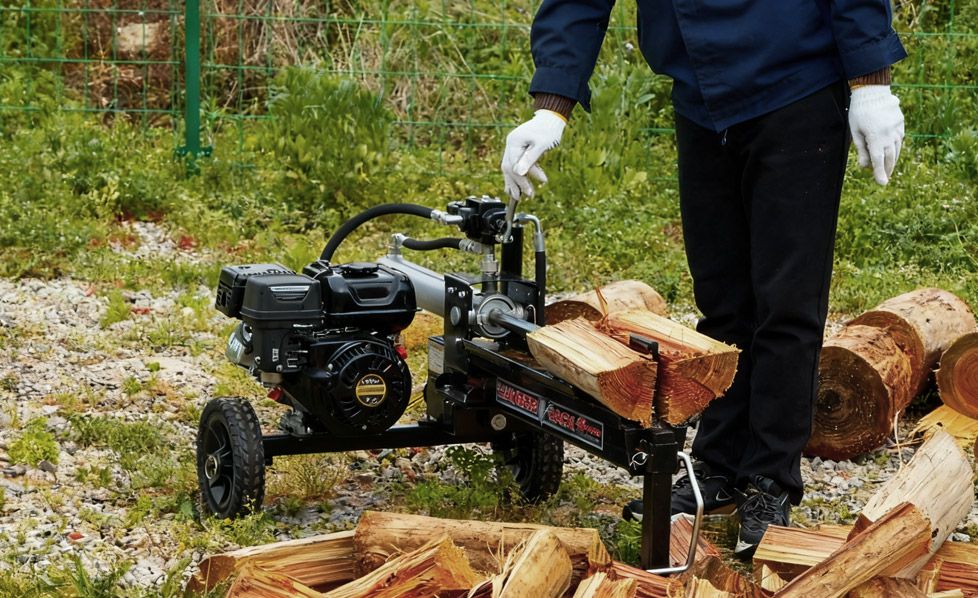



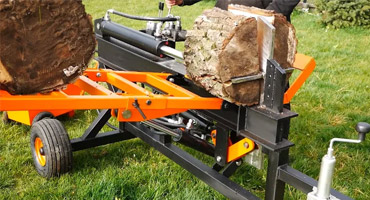






DESCRIPTION Model no.: LSE 14Max. splitting force: 14TonMax. log lengt...
See Details
A Practical Guide to Choosing a 22-Ton Gasoline Log Splitter for Efficient Firewood Processing
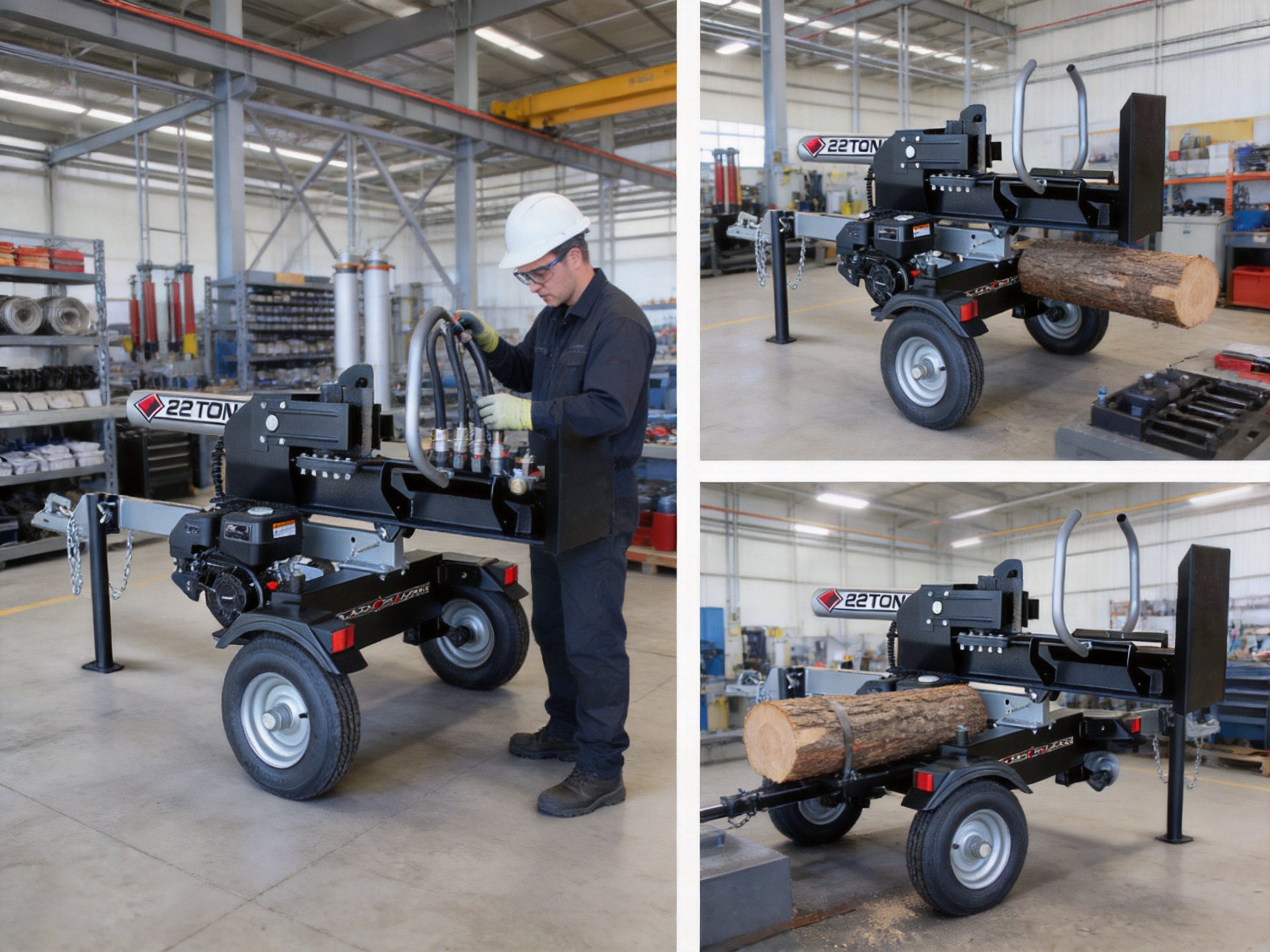
Preparing firewood by hand can be physically demanding, time-consuming, and inconsistent. A capable hydraulic log splitter changes that process by applying controlled mechanical force to logs that would otherwise require repeated swings of an axe or maul. For homeowners, landowners, firewood suppliers, landscaping contractors, and property maintenance professionals, a gasoline-powered splitter can provide the mobility and power required for regular outdoor work.
The Black Diamond 22-ton gasoline log splitter, model LSE22, is designed for users who need a practical balance of splitting force, transportability, operating flexibility, and production efficiency. Its half-beam configuration, 6.5-horsepower gasoline engine, 11-gallon-per-minute two-stage hydraulic pump, hardened steel wedge, and vertical or horizontal operating positions make it suitable for processing a broad range of firewood logs.
This article examines the machine’s construction, operating advantages, technical specifications, manufacturing background, maintenance considerations, and suitability for different users. It also explains how the product compares with common alternatives and how buyers can evaluate a hydraulic log splitter before purchase.
Why Hydraulic Log Splitters Are Important for Modern Firewood Preparation
Traditional manual splitting methods remain useful for small quantities of straight-grained wood, but they become inefficient when logs are large, knotty, wet, or irregularly shaped. Repeated impact can place significant stress on the operator’s shoulders, back, wrists, and knees. It also makes production dependent on physical strength, technique, and endurance.
A hydraulic log splitter replaces impact force with steady hydraulic pressure. The engine drives a pump, the pump pressurizes hydraulic fluid, and that fluid moves a cylinder. The cylinder pushes the log against a fixed wedge, separating the wood along its natural grain. This approach provides more consistent results and reduces the physical effort required from the operator.
The LSE22 is rated at 22 tons of maximum splitting force. This capacity places it in a useful range for many residential and light-commercial applications. It is substantially more capable than small electric splitters intended mainly for short, straight logs, while remaining more compact and easier to handle than many heavy-duty commercial machines.
Another important benefit is repeatability. Once the log is correctly positioned, the hydraulic system performs the main work with a predictable stroke and return cycle. This allows operators to process several logs in succession without relying on the same level of physical force required by manual tools.
Product Overview and Core Design
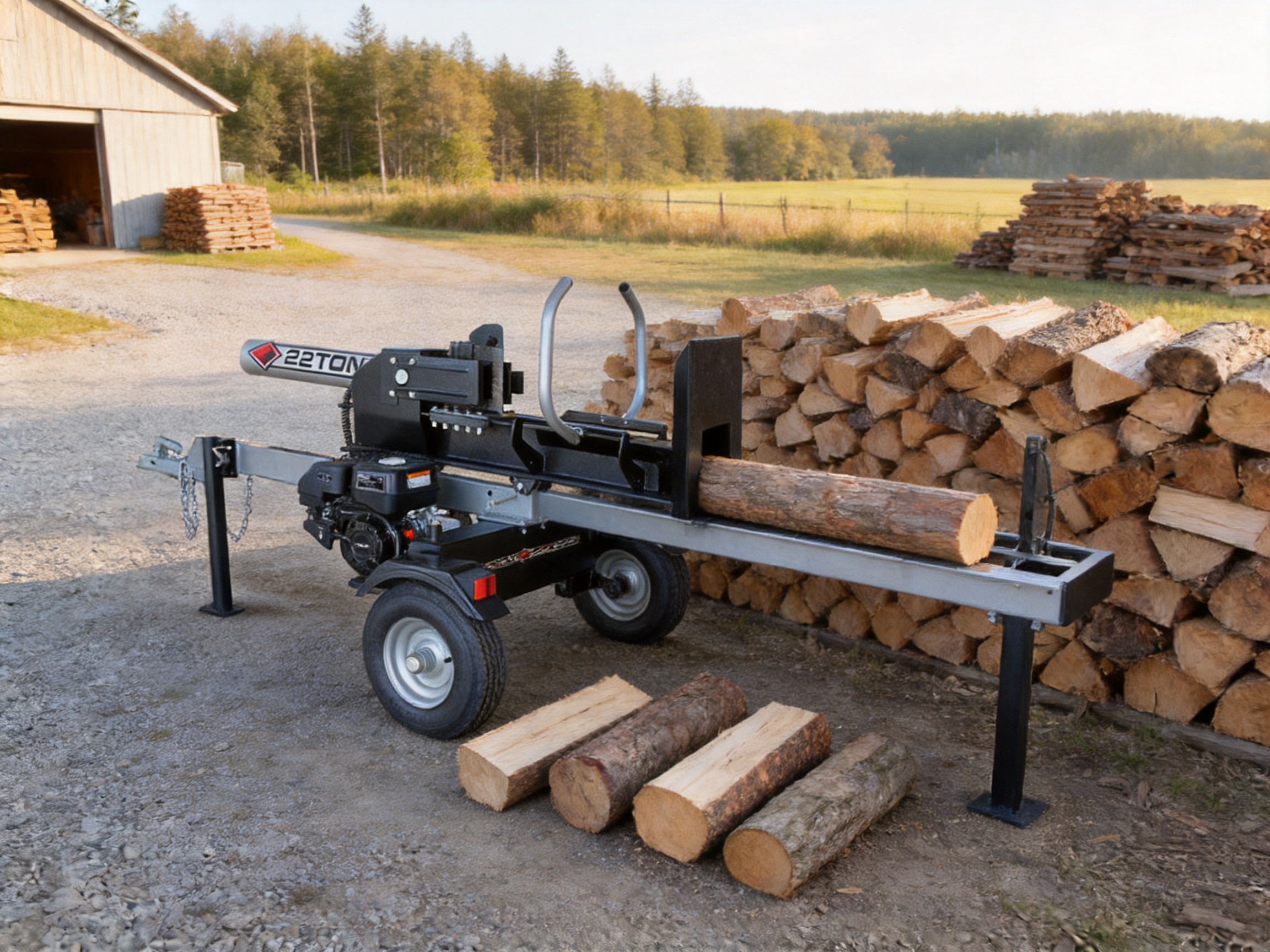
The product is a gasoline-powered, half-beam hydraulic log splitter with a maximum splitting force of 22 tons. It is designed around a steel frame, a hydraulic cylinder, a two-stage pump, a gasoline engine, a hardened wedge, and a wheeled chassis. The design supports both horizontal and vertical operation.
The half-beam configuration is particularly useful for users who want a balance between strength and manageable size. A full-beam splitter may provide a longer support structure, but it can also be heavier and less convenient to move around a property. A half-beam design keeps the main working components concentrated in a shorter chassis while still supporting substantial log capacity.
The machine accepts logs up to 25 inches, or 635 millimeters, in length. This capacity is important because many household firewood logs fall within the range of 16 to 24 inches. The splitter can therefore accommodate a practical selection of wood sizes used in fireplaces, wood stoves, outdoor boilers, and fire pits.
Its steel log cradle supports the log during the splitting operation. This is more than a convenience feature. A cradle helps keep the log aligned with the wedge and reduces the possibility of the wood rolling away from the working area. Better positioning can improve both productivity and operator confidence.
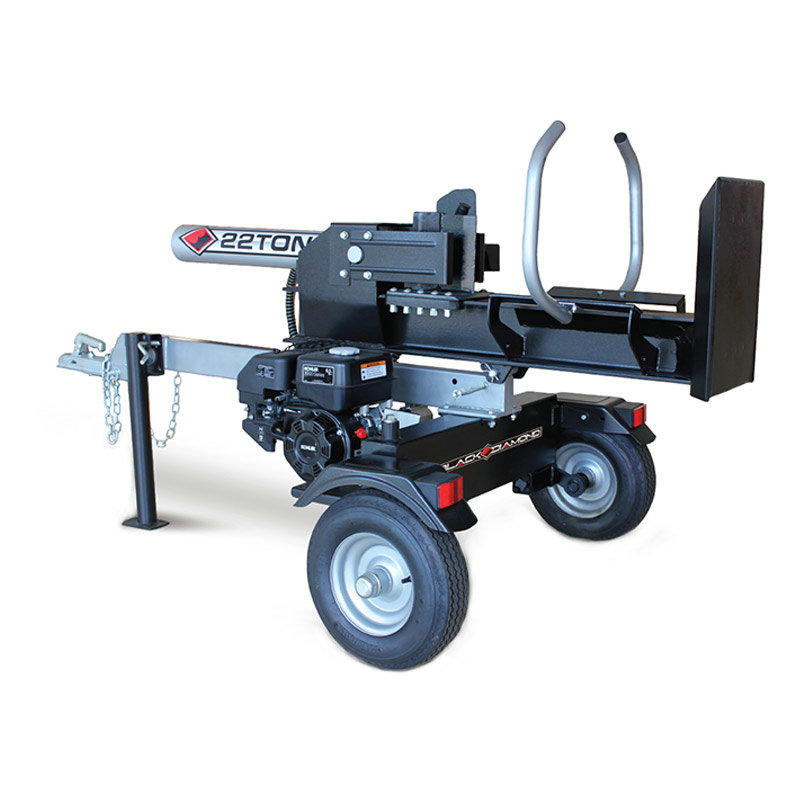
Black Diamond 22ton gasoline Log Splitter-half beam LSE22
Main Technical Specifications
The following table summarizes the principal specifications of the LSE22 model.
| Specification | Details |
|---|---|
| Model | LSE22 |
| Maximum splitting force | 22 tons |
| Cycle time | 15 seconds |
| Engine | 6.5 horsepower, 196 cc gasoline engine |
| Maximum log length | 25 inches / 635 millimeters |
| Cylinder | 4-inch bore by 23-3/16-inch cylinder |
| Pump | 11 gallons per minute, two-stage hydraulic pump |
| Hydraulic capacity | 3.8 gallons / 14.5 liters |
| Wedge | 8-inch hardened steel wedge |
| Valve | Automatic-return valve |
| Wheels | 16-inch DOT tires, 4.8 x 8 |
| Net and gross weight | 495.6 / 551.3 pounds, or 225 / 250 kilograms |
| Package dimensions | 70.9 x 23.2 x 32.7 inches |
These specifications show that the machine is intended to provide meaningful hydraulic capacity without becoming an oversized industrial unit. The combination of a 22-ton rating and a 25-inch log capacity gives it flexibility for a wide range of firewood tasks.
22-Ton Splitting Force for Challenging Logs
The 22-ton rating is one of the product’s most important advantages. Splitting force determines the machine’s ability to push through wood that may be difficult to process manually. Straight-grained softwood is generally easy to split, but hardwood, knotty sections, crotches, and logs with twisted grain can demand much greater force.
A higher force rating provides additional working margin. This does not mean every log will split instantly or that operating technique is unimportant. Wood condition, grain direction, moisture content, diameter, and wedge alignment all affect performance. However, a 22-ton machine is better prepared for demanding material than compact units with substantially lower force ratings.
Compared with many entry-level electric splitters, a gasoline unit of this size offers stronger performance for outdoor use and greater independence from electrical outlets. Compared with manual hydraulic splitters, it reduces the number of physical pumping actions required. Compared with smaller gasoline models, the LSE22 offers increased capacity for users who regularly handle larger or more difficult logs.
The force rating should be viewed together with the cylinder and pump specifications. The 4-inch-bore cylinder provides the hydraulic surface area required to generate substantial pushing force, while the two-stage pump helps balance pressure and speed under changing load conditions.
Vertical and Horizontal Operating Positions
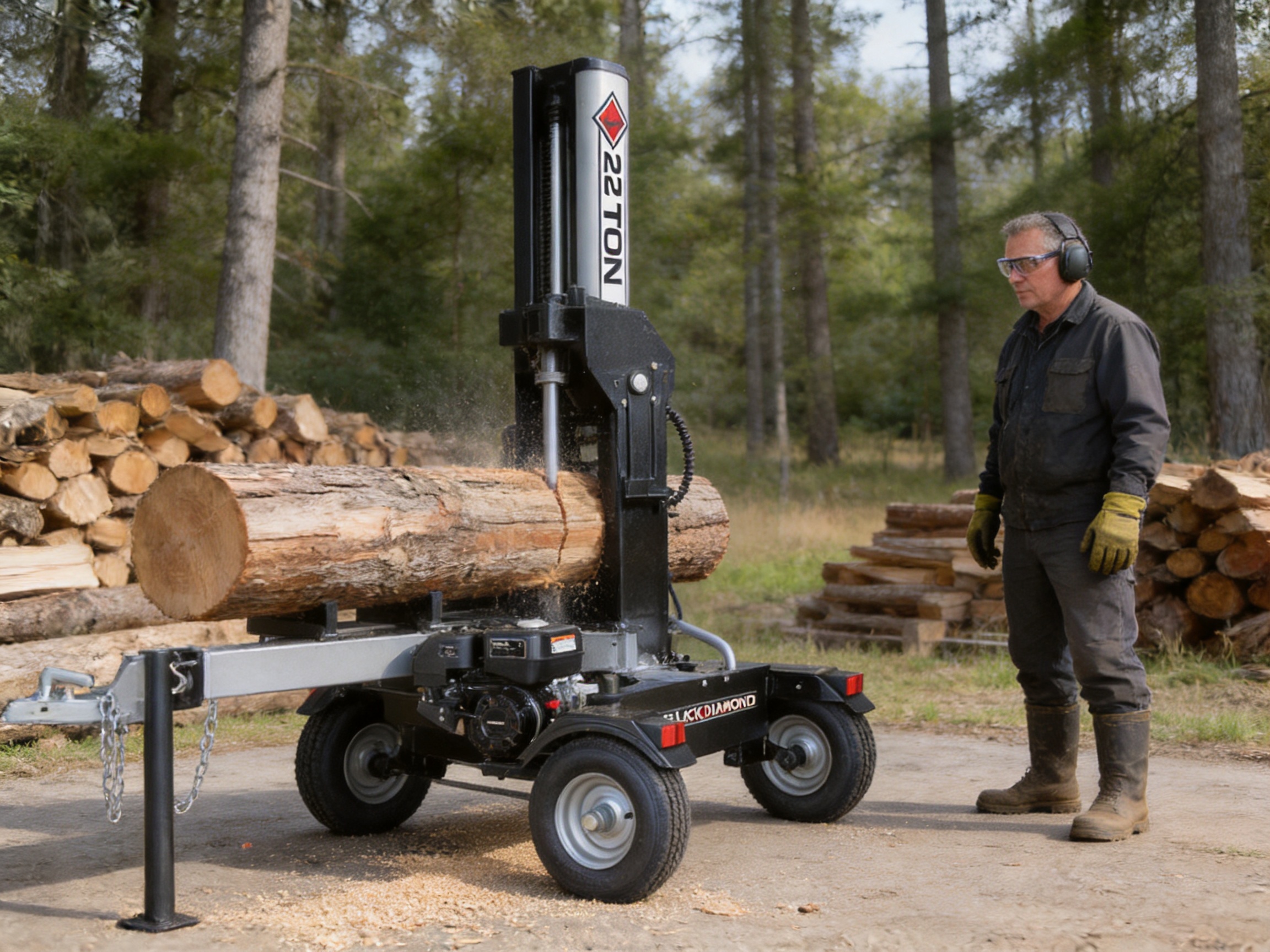
The ability to work in horizontal or vertical mode is a major practical advantage. In horizontal mode, the log rests along the beam and is pushed toward the wedge. This position is often convenient when processing smaller logs that can be lifted onto the beam without difficulty.
Vertical mode is particularly valuable when handling heavy or large logs. Instead of lifting a log onto the beam, the operator can roll it into position on the ground and split it vertically. This reduces bending and lifting and can make the machine more useful for large rounds that would be unsafe or impractical to raise.
Many competing machines are optimized primarily for one operating position. A dedicated horizontal splitter may be fast for smaller logs but inconvenient for heavy rounds. A vertical-only design may be less comfortable for smaller pieces. The two-position arrangement gives the LSE22 broader operating flexibility.
Changing operating position should always be performed according to the manufacturer’s instructions. The machine must be placed on stable, level ground, the engine stopped when required, and all locking or support components properly secured before operation. A flexible design provides more choices, but safe setup remains essential.
Hydraulic System and Two-Stage Pump Performance
The hydraulic system is the working core of the splitter. The LSE22 uses an 11-gallon-per-minute two-stage pump and has a hydraulic capacity of 3.8 gallons, or 14.5 liters. These specifications are designed to support both movement speed and pressure generation.
A two-stage pump typically operates in a high-flow stage when resistance is relatively low and shifts to a high-pressure stage when the wedge encounters greater resistance. This arrangement can shorten the time required for the cylinder to move through easier portions of the stroke while preserving the pressure needed to split tougher sections of wood.
The stated 15-second cycle time gives users a useful indication of operating rhythm. Cycle time commonly refers to the forward stroke and return sequence under specified testing conditions. Actual productivity will vary according to log size, wood species, operator positioning, engine condition, temperature, and the distance the cylinder must travel.
For a homeowner processing a winter supply, a 15-second cycle can make a substantial difference compared with manual splitting. For a small firewood business, the hydraulic system can support a more consistent workflow, especially when one person positions logs and another manages the split pieces.
Hydraulic performance depends on proper fluid level, clean hydraulic oil, suitable operating temperature, intact hoses, and a correctly adjusted relief system. Regular inspection is therefore important. A powerful hydraulic system should be treated as a precision working system rather than simply as a source of force.
Engine Power and Outdoor Mobility
The LSE22 is equipped with a 6.5-horsepower, 196 cc gasoline engine. Gasoline power is useful for properties where electrical service is unavailable, inconvenient, or too far from the work area. It also allows the splitter to be moved between wood piles, fields, driveways, and storage areas without depending on an extension cord.
The engine provides the power needed to drive the hydraulic pump under varying loads. Gasoline engines are also familiar to many outdoor power equipment users, who may already have experience with fuel storage, oil changes, spark plug inspection, air filter cleaning, and seasonal preparation.
Compared with electric models, the gasoline configuration generally provides greater placement freedom and stronger suitability for remote outdoor work. Compared with tractor-powered systems, it does not require a tractor or hydraulic connection. This makes the LSE22 a self-contained machine for users who need independent operation.
Gasoline-powered equipment must be used outdoors or in a properly ventilated environment. Carbon monoxide is dangerous and can accumulate quickly in enclosed spaces. The engine should be operated away from buildings, doors, windows, and areas where exhaust could enter occupied spaces.
Wedge, Log Cradle, and Working Stability
The LSE22 uses an 8-inch hardened steel wedge. The wedge is the point of contact between the hydraulic force and the log. Its hardened construction is intended to withstand repeated contact with wood while maintaining a durable splitting edge and shape.
A wedge does not need to be razor sharp in the same way as an axe blade. Hydraulic splitting depends primarily on wedge geometry, force, alignment, and the natural grain of the wood. Nevertheless, the wedge should be inspected regularly for damage, excessive wear, deformation, or loose mounting hardware.
The steel log cradle helps stabilize the workpiece. Logs can roll, twist, or shift when pressure is applied, especially when the wood has an uneven surface. A cradle helps retain the log within the intended working area and supports more predictable splitting.
Stability also depends on the ground surface and machine setup. The splitter should be placed on firm, level ground with sufficient clearance around the operator. Soft soil, loose gravel, wet slopes, and cluttered work areas can reduce stability and increase the possibility of accidents.
Transportation and 16-Inch DOT Tires
The machine uses 16-inch DOT tires in a 4.8 x 8 configuration. Properly sized road-oriented tires make the splitter easier to move around a property and provide a practical connection between the chassis and towing arrangement.
Mobility is valuable because firewood is rarely processed in a single ideal location. Logs may be stacked near a tree, delivered to a driveway, stored beside a barn, or placed at the edge of a woodland. A wheeled splitter can be positioned closer to the material, reducing repeated lifting and carrying.
The tires should be inspected before transport. Operators should check inflation, tread condition, wheel fasteners, axle components, and any towing or securing hardware. The machine should never be moved faster than the recommended transport speed or used on public roads unless it satisfies all applicable legal and safety requirements.
The splitter’s stated net weight is 495.6 pounds, while the gross shipping weight is 551.3 pounds. This indicates a substantial machine designed for durability and hydraulic performance rather than ultra-light portability. Moving it manually may require more than one person, and towing or mechanical assistance may be appropriate in many situations.
Advantages Compared with Common Alternatives
Compared with Manual Axe Splitting
Manual splitting tools are inexpensive, simple, and easy to store, but they require repeated physical impact and considerable operator effort. The LSE22 can process logs with hydraulic force, reducing fatigue and improving consistency. It is especially advantageous when preparing large volumes of firewood or working with difficult grain.
Compared with Small Electric Splitters
Small electric splitters are convenient for light-duty work near a suitable power source. However, their operating range is limited by electrical access and cable management. The gasoline-powered LSE22 can be used in remote areas and offers a 22-ton force rating suitable for more demanding logs.
Compared with Low-Capacity Gasoline Models
Lower-capacity gasoline machines may be easier to move and less expensive, but they can reach their limits when handling large hardwood rounds or knotty sections. The LSE22 offers more capacity while retaining a manageable half-beam format and a dual-position operating design.
Compared with Tractor-Powered Splitters
Tractor-powered splitters are useful for farms and commercial operations that already own compatible tractors. However, they require access to the tractor, correct hydraulic connections, and sufficient tractor capacity. The LSE22 has its own gasoline engine, so it can operate independently and does not tie up another vehicle.
Compared with Oversized Commercial Splitters
Large commercial splitters may provide greater throughput and specialized features, but they can also be more expensive, heavier, and more demanding to transport or store. A 22-ton half-beam splitter can be a more practical choice for property owners and smaller operators who need dependable performance without a full industrial platform.
Manufacturing Strengths and Production Experience
Jiashan Superpower Tools Co., Ltd. specializes in log splitters, dump carts, spreaders, lawn sweepers, lawn aerators, and other lawn and garden equipment. The company was established in 1997 and has developed more than two decades of experience in outdoor power equipment manufacturing.
This product specialization is important because log splitters require coordinated knowledge of mechanical structures, hydraulic systems, engines, welded frames, wheels, safety controls, and outdoor equipment usage. A manufacturer focused on this product category can develop production procedures around the repeated demands of garden and forestry-related machinery.
The company operates a manufacturing facility in the Huimin Economic Development Zone of Jiashan County, Zhejiang Province, an area located between Shanghai and Hangzhou. Its production capabilities support customers in North America, Europe, Australia, Asia, and South America.
The company states that it operates under an ISO 9001:2015-certified quality management system. A quality management system provides a structured framework for procedures such as document control, production planning, inspection, corrective action, supplier coordination, and continuous improvement. Certification does not eliminate the need for product inspection, but it indicates that quality-related processes are organized rather than entirely informal.
Many of the company’s products also carry CE certification. Certification requirements vary by market and product configuration, so buyers should verify the documentation applicable to the exact model, destination, and current production version. Even so, attention to recognized conformity requirements is an important part of supplying equipment internationally.
Advanced Manufacturing Processes for Outdoor Equipment
A log splitter must withstand vibration, hydraulic pressure, outdoor exposure, repeated loading, and transport forces. Manufacturing quality therefore depends on multiple stages rather than one isolated operation.
Engineering and Product Development
Product development begins with selecting a structure that can support the cylinder, wedge, beam, engine, pump, wheels, and operating controls. The design must distribute force through the frame without creating unnecessary deformation or instability. It must also allow access for assembly, inspection, maintenance, and transport.
Manufacturers with experience across several outdoor equipment categories can apply shared knowledge in frame construction, wheel systems, coatings, packaging, and user-oriented design. The result can be a machine that is not only powerful but also practical to assemble, operate, and service.
Steel Fabrication and Frame Assembly
The frame and beam must be fabricated to consistent dimensions so that the cylinder, wedge, cradle, and support components align correctly. Cutting, forming, drilling, and welding operations must be controlled to maintain repeatability between production units.
Welded assemblies should be inspected for continuity, penetration, alignment, visible defects, and dimensional accuracy. Since the beam transfers substantial force during splitting, structural inspection is especially important in areas near the cylinder mount, wedge mount, axle supports, and operating-position pivots.
Hydraulic Component Integration
The hydraulic pump, cylinder, hoses, fittings, reservoir, control valve, and relief components must work together as a complete system. Correct routing prevents hoses from rubbing against sharp edges or moving components. Proper fitting installation reduces the possibility of leaks, while pressure testing helps identify problems before shipment.
Hydraulic cleanliness is also important. Contaminants can damage pumps, valves, and cylinder seals. Organized production procedures should therefore include protection of open hydraulic ports, cleanliness during assembly, appropriate fluid handling, and functional testing after installation.
Engine and Powertrain Installation
Engine installation involves more than attaching the engine to the frame. The mounting position must support correct pump alignment, belt or coupling operation, vibration control, fuel access, exhaust clearance, and safe operator access. A well-integrated power unit improves reliability and simplifies routine maintenance.
Surface Protection and Finish
Outdoor equipment is exposed to moisture, dust, mud, sunlight, and changing temperatures. Surface preparation and coating quality help protect steel components from corrosion. Although no finish eliminates the need for maintenance, consistent painting or coating procedures can extend the useful appearance and service life of the machine.
Final Inspection and Functional Testing
Before shipment, finished units should be checked for assembly completeness, fastener security, fluid leaks, control operation, wheel installation, engine performance, and hydraulic movement. Functional testing helps confirm that the cylinder extends and returns correctly, the valve responds as intended, and the machine operates within expected parameters.
Quality Management and International Supply Capability
International customers often require more than a functioning machine. They may need consistent packaging, accurate documentation, spare parts support, model identification, conformity records, and reliable communication. A manufacturer serving multiple global regions must coordinate these requirements while maintaining production consistency.
The company’s stated export experience across North America, Europe, Australia, Asia, and South America indicates familiarity with international customer expectations. Its product range and factory-based production model can support distributors, importers, dealers, and original equipment partnerships.
The listed container quantity for the LSE22 is 60 pieces per 40-foot-high-cube container. This information can assist professional buyers with freight planning, warehouse allocation, purchasing schedules, and landed-cost calculations. Actual loading arrangements should be confirmed with the supplier because packaging, accessory kits, and shipping requirements may change.
For importers, the packaging dimensions of 70.9 x 23.2 x 32.7 inches are also useful. They provide an initial estimate for storage and container planning. Retailers should allow additional space for handling, inspection, display, and customer collection.
Recommended Operating Practices
Safe and efficient use begins with preparation. Before starting the engine, inspect the machine for damaged parts, loose fasteners, hydraulic leaks, tire problems, fuel leaks, and obstructions around the wedge and beam. Confirm that the splitter is on stable ground and that bystanders are outside the working area.
Use logs within the stated maximum length and position them securely against the intended splitting surfaces. Do not attempt to split logs that are unstable, suspended, or positioned in a way that could cause them to roll toward the operator. Keep hands away from the wedge, cylinder, cradle, and other pinch points.
Operators should wear suitable personal protective equipment, including eye protection, hearing protection, sturdy footwear, and work gloves appropriate for handling wood. Loose clothing, jewelry, and unsecured hair should be kept away from moving parts.
Never attempt to remove a stuck log while the engine is running or hydraulic pressure remains active. Stop the machine, follow the proper pressure-release procedure, and use safe methods to reposition the material. Do not modify the relief valve or bypass safety controls to obtain more force.
Vertical operation may reduce lifting, but it does not eliminate the need for caution. Logs should be rolled into position rather than dropped or thrown. The operator should stand to the side of the splitting path and remain aware of possible movement as the log separates.
Maintenance Requirements
Regular maintenance helps preserve performance and protect the investment. Engine maintenance normally includes checking oil level, changing engine oil according to the service schedule, cleaning or replacing the air filter, inspecting the spark plug, and using clean, suitable fuel.
Hydraulic maintenance includes checking fluid level, inspecting hoses and fittings, looking for leaks, and replacing hydraulic fluid and filters when required. The exact fluid type and service intervals should be confirmed in the product manual supplied with the machine.
Grease points, pivot points, wheel bearings, and moving joints should be serviced as specified. Fasteners should be checked for loosening caused by vibration. The wedge and log cradle should be inspected for wear, while the beam should be kept clear of chips, dirt, and debris that could interfere with movement.
At the end of the operating season, the splitter should be cleaned, protected from weather, and stored in a dry, secure location. Fuel-storage procedures should be followed to reduce the risk of stale fuel or carburetor problems. Hydraulic components should be protected from contamination during storage.
Selecting the Right User Profile
The LSE22 is well suited to homeowners who heat with wood and need to process a substantial quantity of logs each year. It can also serve rural property owners, small farms, landscaping businesses, tree-service operators, and firewood sellers who require a mobile machine for regular but not necessarily industrial-scale use.
It may be more capacity than necessary for someone who splits only a few small, straight logs each season. In such cases, a compact electric or manual unit could be adequate. Conversely, commercial operators processing very high volumes may require a faster, fully commercial splitter with conveyors, log lifts, or automated handling systems.
The best match depends on log diameter, wood species, annual volume, available storage, transport needs, power access, and budget. The 22-ton rating and 25-inch length capacity make this model a versatile middle ground for users who need more than basic residential equipment but do not require a large production line.
Purchase and Dealer Evaluation Checklist
Prospective buyers should confirm the exact model number, included accessories, warranty terms, assembly requirements, delivery condition, spare-parts availability, and service support before placing an order. They should also verify whether the product is supplied with the documentation required in their market.
Questions about replacement hydraulic hoses, seals, filters, wheels, engine components, wedge hardware, and control valves can help determine long-term serviceability. A machine is more valuable when wear parts and technical support are reasonably accessible.
Commercial buyers should evaluate packaging, container loading, minimum order quantities, lead times, private-label options, inspection procedures, and export documents. The supplier’s experience with outdoor power equipment can be especially useful when developing a regional product line.
Buyers should also distinguish between maximum theoretical performance and real-world productivity. Ask how cycle time is measured, what operating conditions apply, and whether the machine has been tested with the types of wood common in the intended market.
Environmental and Efficiency Considerations
Gasoline-powered machinery produces exhaust emissions and requires fuel, oil, and routine maintenance. Operators should use it responsibly, avoid unnecessary idling, and maintain the engine correctly so that it operates efficiently. Spilled fuel and hydraulic oil should be prevented, contained, and disposed of according to local regulations.
Hydraulic splitting can still support efficient firewood preparation because it reduces wasted physical effort and makes it practical to process wood that might otherwise be discarded. Better use of fallen or harvested timber can contribute to resource efficiency when the wood is sourced and burned responsibly.
The company describes its product development goals as including innovative, energy-efficient, environmentally friendly, and cost-effective products. These goals are relevant to outdoor equipment because buyers increasingly consider fuel use, durability, repairability, product life, and responsible manufacturing alongside initial purchase price.
Frequently Asked Questions
What is the maximum log length for this splitter?
The maximum stated log length is 25 inches, or 635 millimeters. Logs should remain within the recommended dimensions and should be positioned securely before splitting.
How much force does the LSE22 provide?
The machine is rated at a maximum splitting force of 22 tons. Actual results depend on wood species, grain, moisture, diameter, temperature, machine condition, and correct operation.
Can it split logs vertically and horizontally?
Yes. The design supports both vertical and horizontal operating positions. Horizontal mode is convenient for smaller logs, while vertical mode can reduce lifting when handling heavy rounds.
How fast is the hydraulic cycle?
The stated cycle time is 15 seconds. Actual cycle duration can vary according to stroke distance, load, hydraulic temperature, engine speed, and operating conditions.
What type of engine powers the machine?
The splitter uses a 6.5-horsepower, 196 cc gasoline engine. It is intended for outdoor operation and does not require an electrical outlet or tractor hydraulic system.
What is the purpose of the two-stage pump?
The 11-gallon-per-minute two-stage pump is designed to provide faster hydraulic movement when resistance is low and higher pressure when the wedge encounters tougher wood. This helps balance speed and splitting force.
Does the machine include a log cradle?
Yes. The steel log cradle helps stabilize the log during splitting and supports more consistent positioning near the wedge.
Are the tires suitable for transport?
The machine is fitted with 16-inch DOT tires in a 4.8 x 8 configuration. Users should inspect the tires, axle, wheel hardware, and towing components before moving the splitter and should comply with local transport requirements.
What is the operating weight?
The stated net weight is 495.6 pounds, or 225 kilograms. The gross shipping weight is 551.3 pounds, or 250 kilograms.
Is the product suitable for commercial use?
It can be suitable for small-scale commercial, farm, landscaping, or firewood operations, depending on production volume and local regulations. High-volume businesses may require additional handling equipment or a larger commercial model.
What maintenance does the hydraulic system require?
Routine care generally includes checking hydraulic fluid, inspecting hoses and fittings, monitoring leaks, maintaining cleanliness, and replacing fluid or filters according to the service instructions. The supplied manual should be followed for exact procedures.
Where is the equipment manufactured?
The equipment is manufactured by Jiashan Superpower Tools Co., Ltd., a Chinese manufacturer of log splitters and lawn and garden equipment based in Zhejiang Province.
Conclusion
The LSE22 22-ton gasoline log splitter is designed for users who need dependable hydraulic power, flexible operating positions, and practical outdoor mobility. Its 6.5-horsepower engine, two-stage 11-gallon-per-minute pump, 15-second stated cycle time, 25-inch log capacity, hardened steel wedge, steel cradle, automatic-return valve, and DOT tires create a balanced specification package for residential, rural, and small commercial firewood work.
Its strongest advantages over basic alternatives are the combination of 22-ton force, gasoline independence, vertical and horizontal operation, substantial log capacity, and a half-beam format that avoids the size of many larger commercial machines. These features make it a versatile choice for users who handle varied wood sizes and conditions.
The manufacturing background of Jiashan Superpower Tools Co., Ltd. adds further value. The company has specialized in outdoor power equipment since 1997, operates under an ISO 9001:2015-certified quality management system, supplies international markets, and develops products intended to be efficient, durable, practical, and cost-effective.
As with any hydraulic machine, performance and service life depend on correct setup, responsible operation, routine maintenance, and proper storage. When matched with the right user and maintained according to the manufacturer’s instructions, this 22-ton splitter can become a productive tool for converting large quantities of logs into manageable firewood.
References
1. Product specification sheet for the LSE22 22-ton gasoline log splitter.
2. Manufacturer-provided information for hydraulic log splitter operation, maintenance, and safety.
3. ISO 9001:2015 quality management system principles for manufacturing organizations.
4. General technical guidance concerning hydraulic cylinders, two-stage hydraulic pumps, and mobile outdoor power equipment.
5. General occupational safety principles for gasoline engines, hydraulic machinery, wood handling, and log-splitting operations.
Product: Black Diamond 22ton gasoline Log Splitter-half beam LSE22
PREV:3PT Post Auger SP48109: A Practical Guide to Efficient Tractor-Mounted Post Hole Digging
NEXT:CHIPPER SHREDDER CP6600: A Practical 196CC Solution for Efficient Yard Waste Processing
NEXT:CHIPPER SHREDDER CP6600: A Practical 196CC Solution for Efficient Yard Waste Processing
Interested in cooperation or have questions?
Related products
-
-
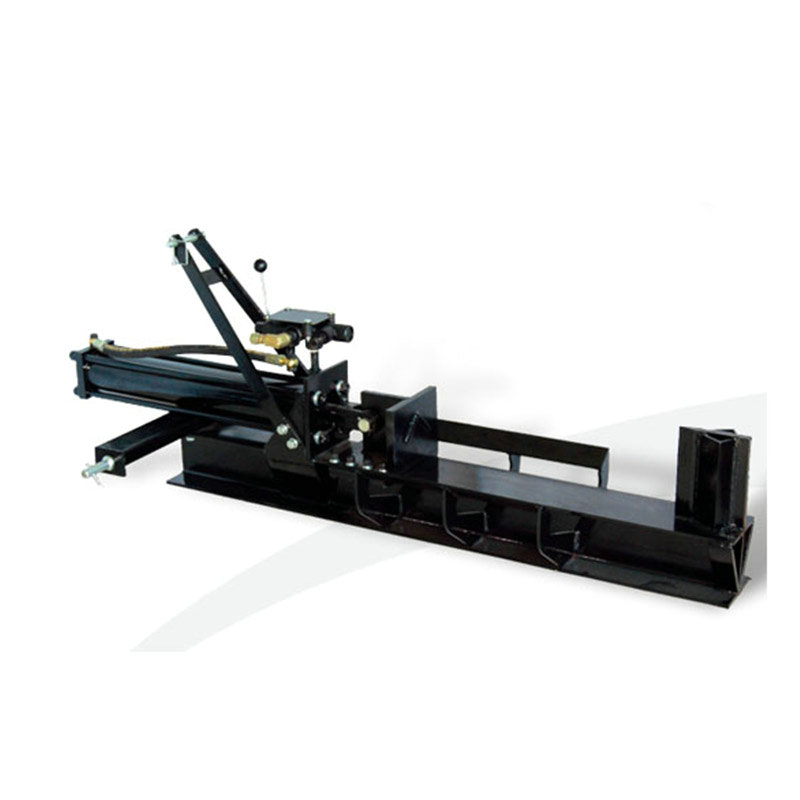
DESCRIPTION 14Ton 3PT log splitter attaches to Category 1 tractor 3-pt...
See Details -
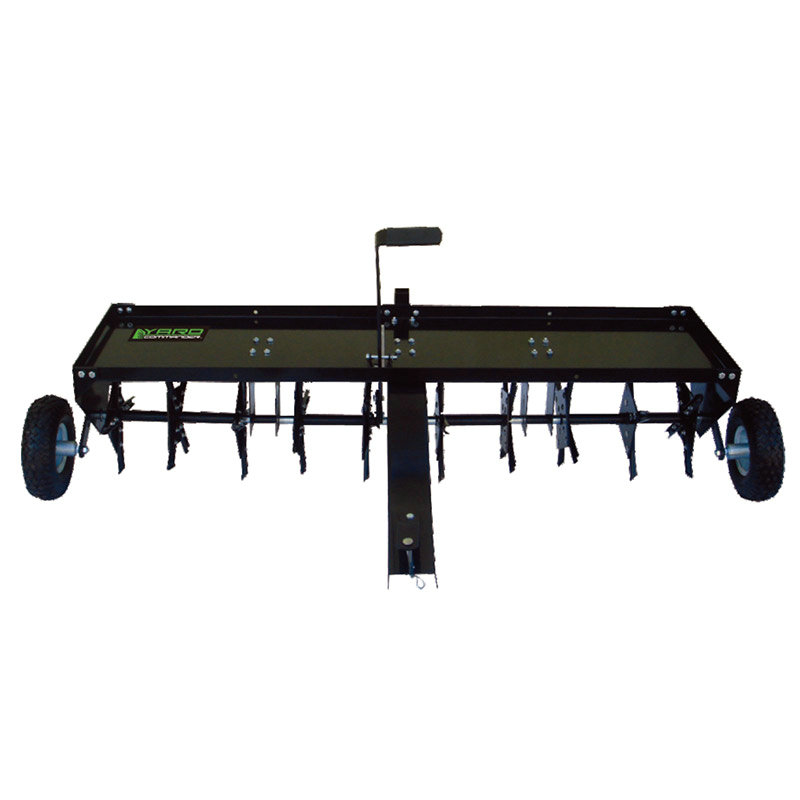
◆MODEL NO.: SP31202 ◆40 REPLACEABLE CORING POINTS ◆SINGLE-HAND LIFT LE...
See Details -
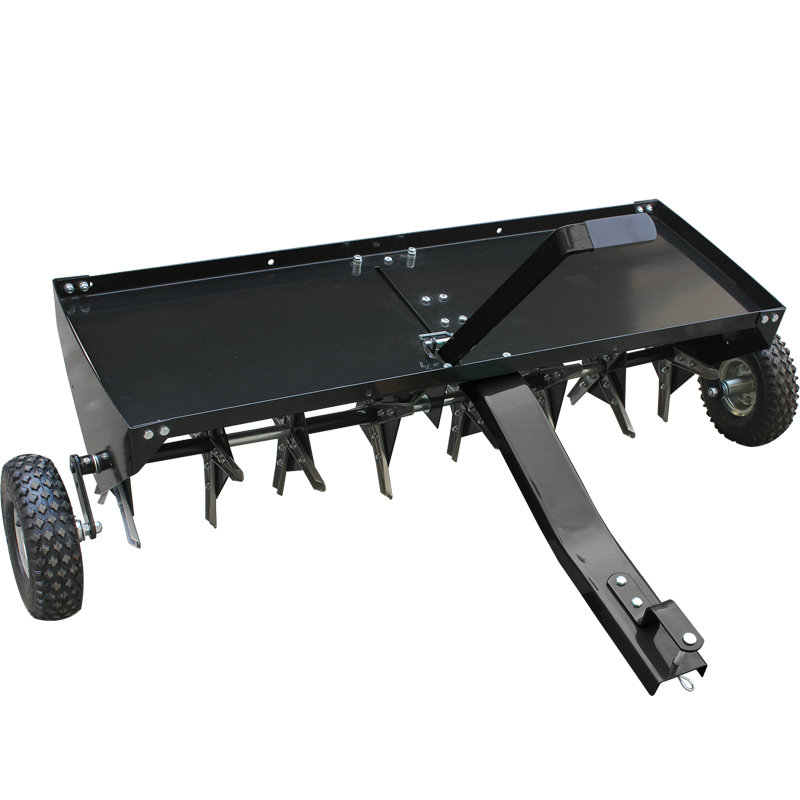
◆MODEL NO.: SP31102 ◆32 REPLACEABLE CORING POINTS ◆SINGLE-HAND LIFT LE...
See Details -
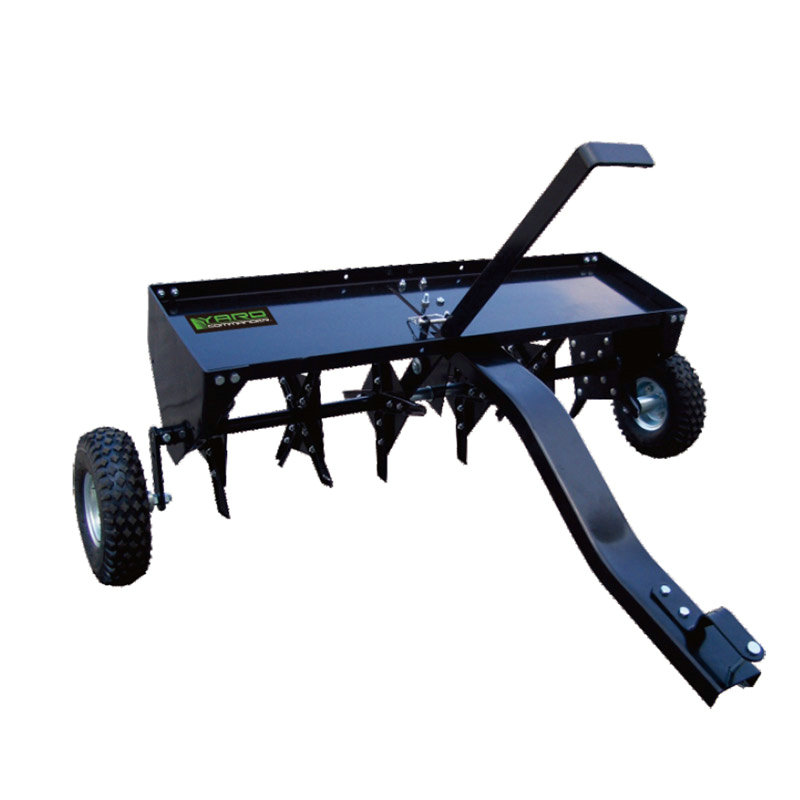
◆MODEL NO.: SP31106 ◆24 REPLACEABLE CORING POINTS ◆SINGLE-HAND LIFT LE...
See Details -
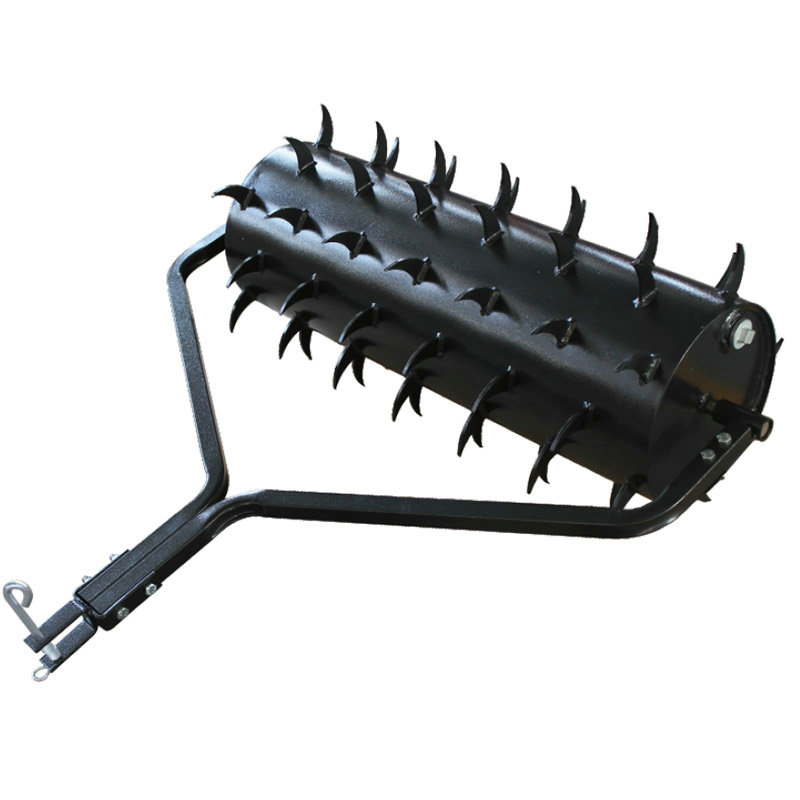
DESCRIPTION ♦Helps nutrients get into the soil and down to the ...
See Details
