
 LANGUAGE
 English
 Deutsch
 Español
 Français
 русский











MODEL NO. :SP48109 Post hole digger for most compact Cat 1 & Cat 2...
See Details
3PT Post Auger SP48109: A Practical Guide to Efficient Tractor-Mounted Post Hole Digging
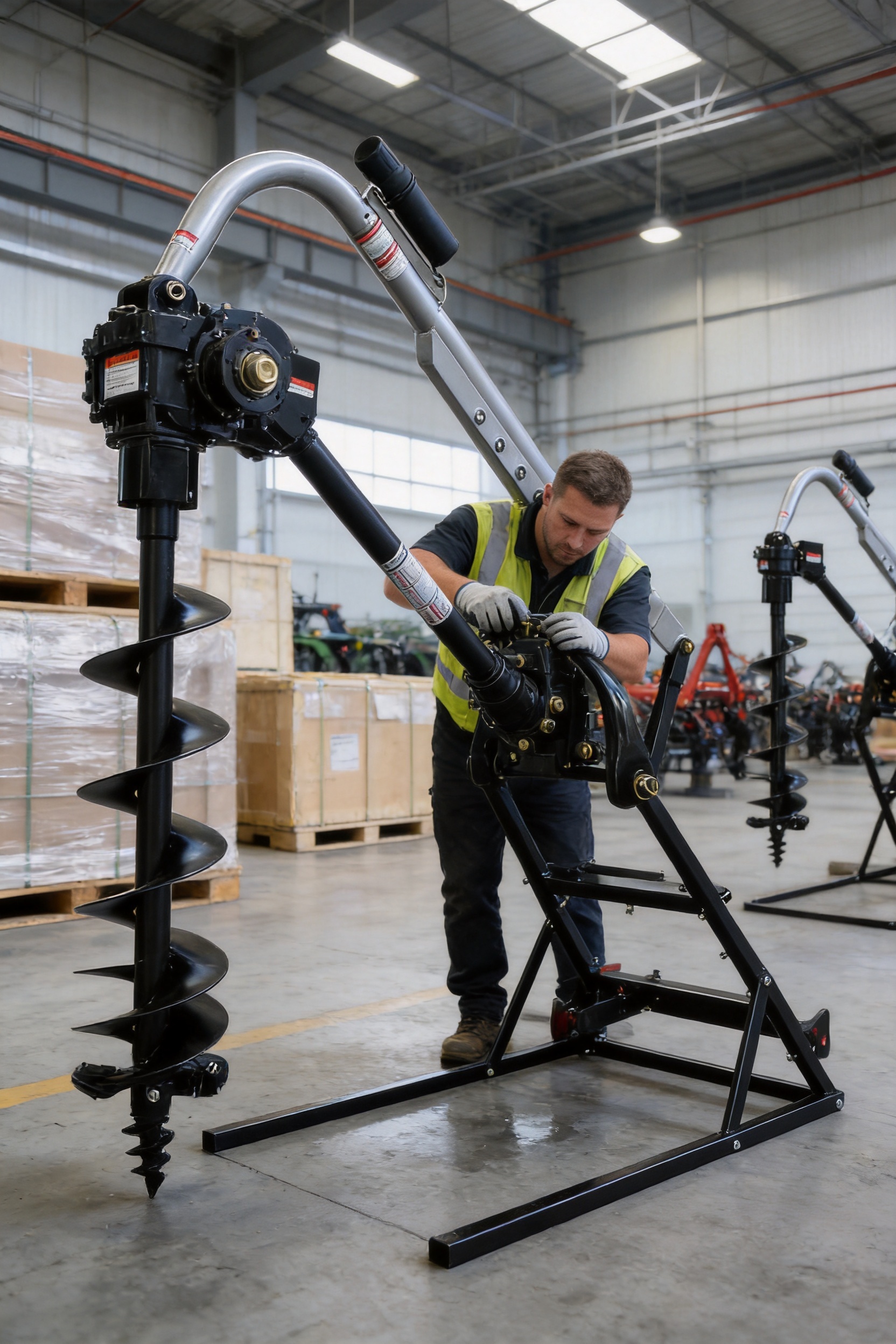
Installing fence posts, planting orchard supports, setting signposts, and preparing ground for agricultural structures all require accurately positioned holes. Traditionally, these tasks have been completed with hand tools or walk-behind equipment, but manual digging can be slow, physically demanding, and inconsistent when many holes are required. A tractor-mounted post auger provides a more productive alternative by using the tractor’s three-point hitch and power take-off to drive a rotating auger into the soil.
The 3PT Post Auger SP48109 is designed for most compact Category 1 and Category 2 tractors. It combines a heavy-duty gearbox, a shear-bolt-protected driveline, and compatibility with several separately available auger sizes. This configuration is intended to provide a straightforward solution for users who need to create post holes efficiently while working with existing compact agricultural equipment.
With an overall size of 76.1 by 32.8 by 37.6 inches, a package size of 78.7 by 27.6 by 13.8 inches, and a net weight of 160 pounds, the machine is substantial enough for demanding ground preparation while remaining suitable for compact tractor applications. Its rated power take-off speed must not exceed 540 revolutions per minute, which is the standard PTO speed used by many tractors in this equipment class.
Understanding the 3PT Post Auger SP48109
The SP48109 is a three-point hitch post hole digger intended to be mounted at the rear of a tractor. Once attached, the tractor supplies both the lifting function and the rotary power required to operate the auger. The tractor’s hydraulic three-point system positions the digging assembly, while the power take-off drives the gearbox and auger.
This arrangement offers a significant productivity advantage compared with hand-held or manually operated digging tools. The operator can transport the machine between locations, position it over the selected digging point, lower the auger into the soil, and raise it again after reaching the required depth. The process can be repeated efficiently across a fence line, field, orchard, construction area, or landscaping project.
The product is categorized as an earth auger and is particularly relevant to users who already own compact tractors. Instead of purchasing a separate engine-powered post hole digger, the user can utilize the tractor’s existing engine and PTO system. This may reduce equipment duplication and simplify maintenance for farms, contractors, estates, and property owners.
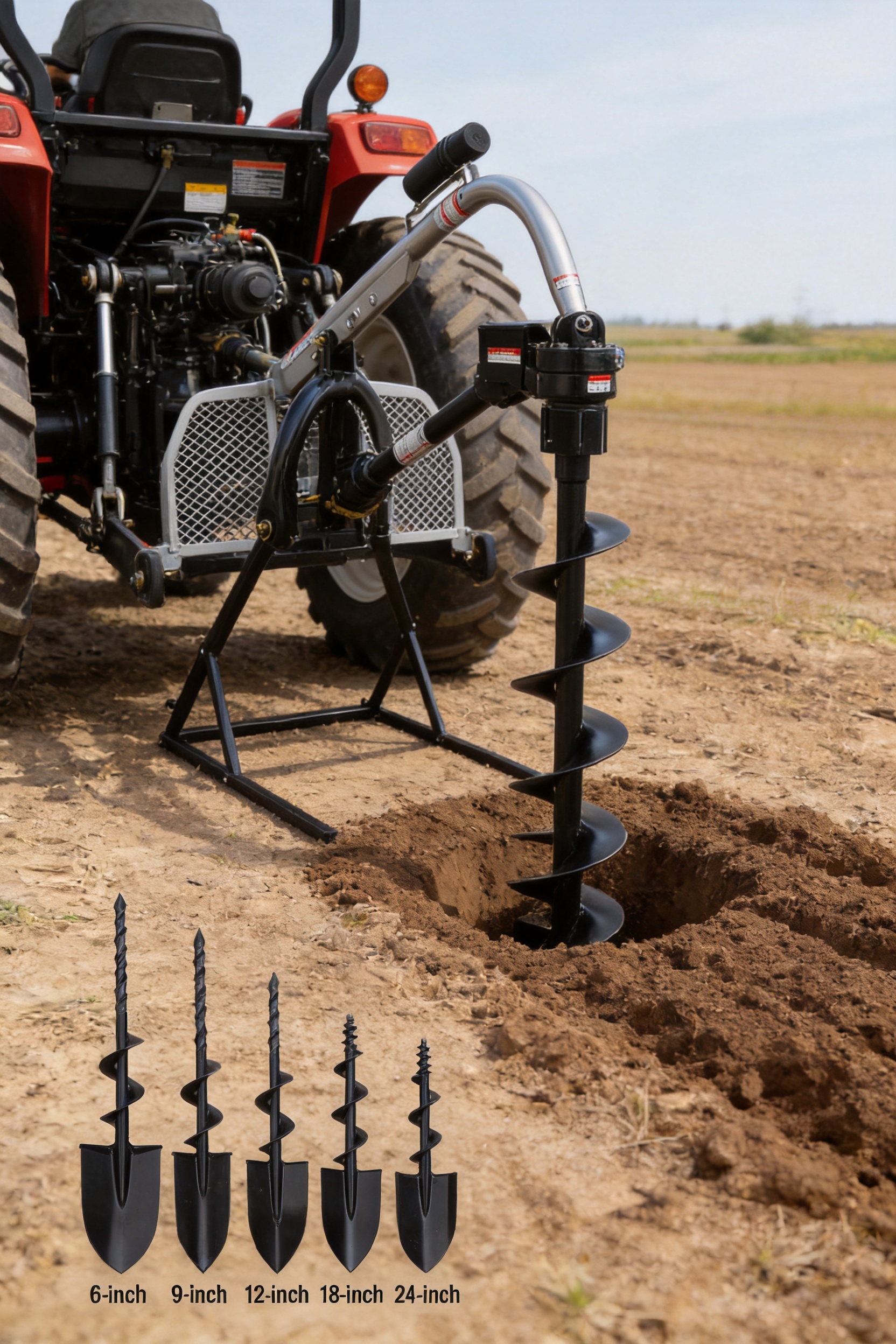
The unit is supplied as a post hole digger assembly, while augers in 6-inch, 9-inch, 12-inch, 18-inch, and 24-inch sizes are sold separately. This approach allows the user to select the cutting diameter based on the intended post, soil conditions, and project requirements.
Key Product Specifications
| Specification | Details |
|---|---|
| Model | SP48109 |
| Product type | Three-point tractor-mounted post hole digger |
| Tractor compatibility | Most compact Category 1 and Category 2 tractors |
| Recommended PTO speed | Not more than 540 RPM |
| Available auger diameters | 6, 9, 12, 18, and 24 inches, sold separately |
| Overall size | 76.1 x 32.8 x 37.6 inches |
| Metric overall size | 1933 x 834 x 954 millimeters |
| Package size | 78.7 x 27.6 x 13.8 inches |
| Metric package size | 2000 x 700 x 350 millimeters |
| Net weight | 160 pounds, or 72.6 kilograms |
| Gross weight | 227 pounds, or 103 kilograms |
| Container loading reference | 112 pieces in a 40-foot high-cube container |
These specifications help buyers evaluate tractor compatibility, shipping requirements, storage space, and project suitability. The Category 1 and Category 2 compatibility is especially important because three-point hitch dimensions, lift capacity, and PTO arrangements vary between tractors. Users should always confirm their tractor’s hitch category, lift capability, PTO configuration, and operator manual requirements before use.
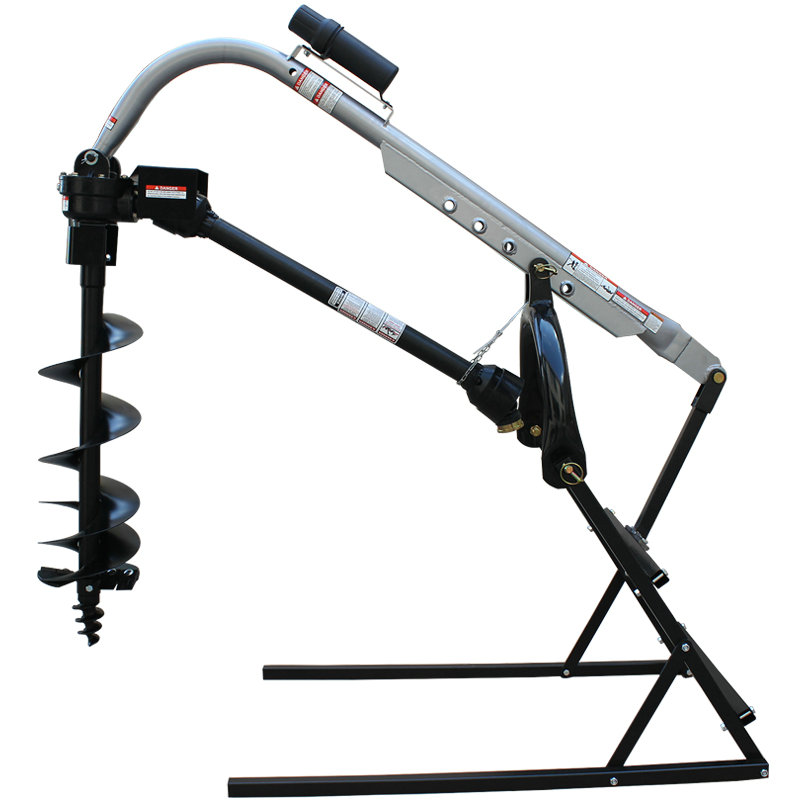
3PT Post Auger SP48109
How the Tractor-Mounted System Works
The SP48109 uses the tractor as its power source. The three-point hitch supports and controls the vertical movement of the post hole digger, while the PTO transfers rotational power from the tractor to the implement. The gearbox then directs this power to the auger shaft, allowing the cutting flighting to penetrate the soil.
During operation, the tractor is positioned so the auger point is directly over the desired hole location. The operator lowers the implement gradually using the hydraulic control. As the auger rotates, its cutting edges break up the soil and the flighting carries loosened material upward. The operator may periodically raise the auger to clear soil, depending on ground conditions, hole depth, and operating technique.
This process is simple in principle, but proper control is essential. The operator must avoid excessive downward pressure, maintain an appropriate PTO speed, and keep people away from the rotating driveline and auger. Soil conditions can change quickly. Clay, roots, stones, wet ground, and compacted layers may all affect performance and require slower, more deliberate operation.
The three-point layout also provides practical maneuverability. The tractor can transport the post hole digger across a property without requiring a separate trailer or lifting device for every relocation. For jobs involving dozens or hundreds of holes, this mobility can save considerable time compared with carrying or repositioning a portable manually operated machine.
Auger Size Flexibility
One of the main advantages of the SP48109 is its range of compatible auger diameters. The available sizes are 6, 9, 12, 18, and 24 inches. Because these augers are sold separately, buyers can select only the sizes that match their immediate work or purchase additional sizes as their applications expand.
A 6-inch auger may be appropriate for narrow stakes, small posts, lightweight supports, or certain planting applications. A 9-inch auger can provide a larger hole for common fence posts and general agricultural work. A 12-inch auger is useful when a wider post, additional backfill, or increased stability is required.
The 18-inch and 24-inch options are designed for larger holes and heavier installations. These may be relevant to substantial fence posts, structural supports, landscape features, or other applications where greater diameter is needed. However, larger augers remove more material and generally place greater demands on the tractor, driveline, gearbox, and ground-engaging components.
Users should select an auger according to the diameter of the post, the desired amount of backfill, the soil type, and the lifting and power capabilities of the tractor. A larger auger is not automatically better. Matching the tool to the task helps maintain productivity and reduces unnecessary strain on the equipment.
Heavy-Duty Gearbox Design
The gearbox is a central component of any PTO-driven post hole digger. It receives high-speed rotation from the tractor and transmits usable torque to the auger. The SP48109 is equipped with a heavy-duty gearbox intended to support regular earth-auger operation.
For a post hole digger, the gearbox must tolerate changing loads. When the auger is turning in loose soil, resistance may be moderate. When it enters compacted earth, dense clay, or a root-filled area, the torque demand can increase sharply. A robust gearbox helps the machine transfer power consistently under these changing conditions.
The gearbox also contributes to controlled auger operation. The objective is not simply to rotate the auger as fast as possible, but to provide useful torque at a controlled speed. This allows the cutting edges to engage the ground while reducing the risk of uncontrolled movement and excessive loading.
Regular maintenance remains important even when a machine is equipped with a heavy-duty gearbox. Operators should follow the applicable lubrication recommendations, inspect for leaks, check mounting points, and stop operation if unusual noise, vibration, or heat is detected. Good maintenance practices protect the gearbox and help preserve the machine’s working life.
Shear-Bolt Protection for the Driveline
The driveline is protected by a shear bolt. This feature is valuable because an auger can encounter sudden resistance from stones, buried debris, thick roots, or unusually hard soil. Instead of allowing excessive force to pass directly through the driveline and gearbox, the shear bolt is designed to fail under an overload condition.
A shear bolt functions as a sacrificial mechanical safeguard. When the load rises beyond an intended limit, the bolt breaks and interrupts power transmission. This can help protect more expensive drivetrain components from severe damage. Replacing a correctly specified shear bolt is generally simpler and less costly than repairing a damaged gearbox, PTO shaft, or auger drive assembly.
Operators should never replace a shear bolt with an improvised fastener or a bolt of an incorrect grade. Doing so may defeat the protection system and transfer excessive force to the driveline. The replacement should match the manufacturer’s requirements. Before replacing the bolt, the operator should shut down the tractor, disengage the PTO, remove the ignition key where appropriate, and wait until all components have stopped moving.
The shear-bolt system does not eliminate the need for careful operation. It is a protective measure, not permission to force the auger through obstructions. If the bolt breaks repeatedly, the operator should investigate the cause. Possible reasons include excessive PTO speed, unsuitable soil conditions, an obstruction below ground, an incorrectly installed auger, or a tractor and implement combination that is not properly matched.
Advantages Over Basic or Manually Operated Alternatives
Compared with hand-operated post hole tools, the SP48109 can significantly reduce physical effort. Manual digging requires repeated lifting, stabbing, levering, and removal of soil. This may be manageable for a few holes but becomes tiring and slow as the number of holes increases. A tractor-mounted auger shifts much of the work to the tractor’s engine, hydraulic system, and PTO.
Compared with small stand-alone machines, the three-point design provides a useful combination of transportability and working capacity. The tractor can carry the implement between work areas, and the operator does not need to manage a separate engine, fuel system, drive controls, and transport frame. For owners who already use a compact tractor, this can make the implement a practical addition to an existing equipment fleet.
The SP48109 also offers greater application flexibility than a single-size post hole digger. The availability of multiple auger diameters allows the user to configure the machine for different posts and projects. A fixed-diameter machine may be economical for one narrow application, but a replaceable-auger system can be more useful for farms, landscaping businesses, property maintenance teams, and contractors with varied requirements.
The heavy-duty gearbox is another differentiating feature when compared with light-duty manual or low-capacity systems. Earth conditions are rarely uniform, and a post hole digger must manage changes in resistance. A stronger drive arrangement can provide confidence during routine operation, especially when the machine is used with an appropriate tractor and maintained correctly.
The shear-bolt-protected driveline adds another practical advantage. Mechanical overload protection is particularly important in ground-engaging equipment because hidden obstructions cannot always be identified before digging. By using a replaceable protective element, the design helps manage the risk associated with unexpected resistance.
These advantages should be considered in relation to the intended workload. The SP48109 is not a substitute for a specialized excavator-mounted drilling system in extremely rocky ground or deep foundation work. Its value is strongest in ordinary agricultural, fencing, landscaping, and property-maintenance applications where a compact tractor is available and the required holes are within the capabilities of the selected auger and tractor.
Applications Across Agriculture and Property Maintenance
Fence Installation
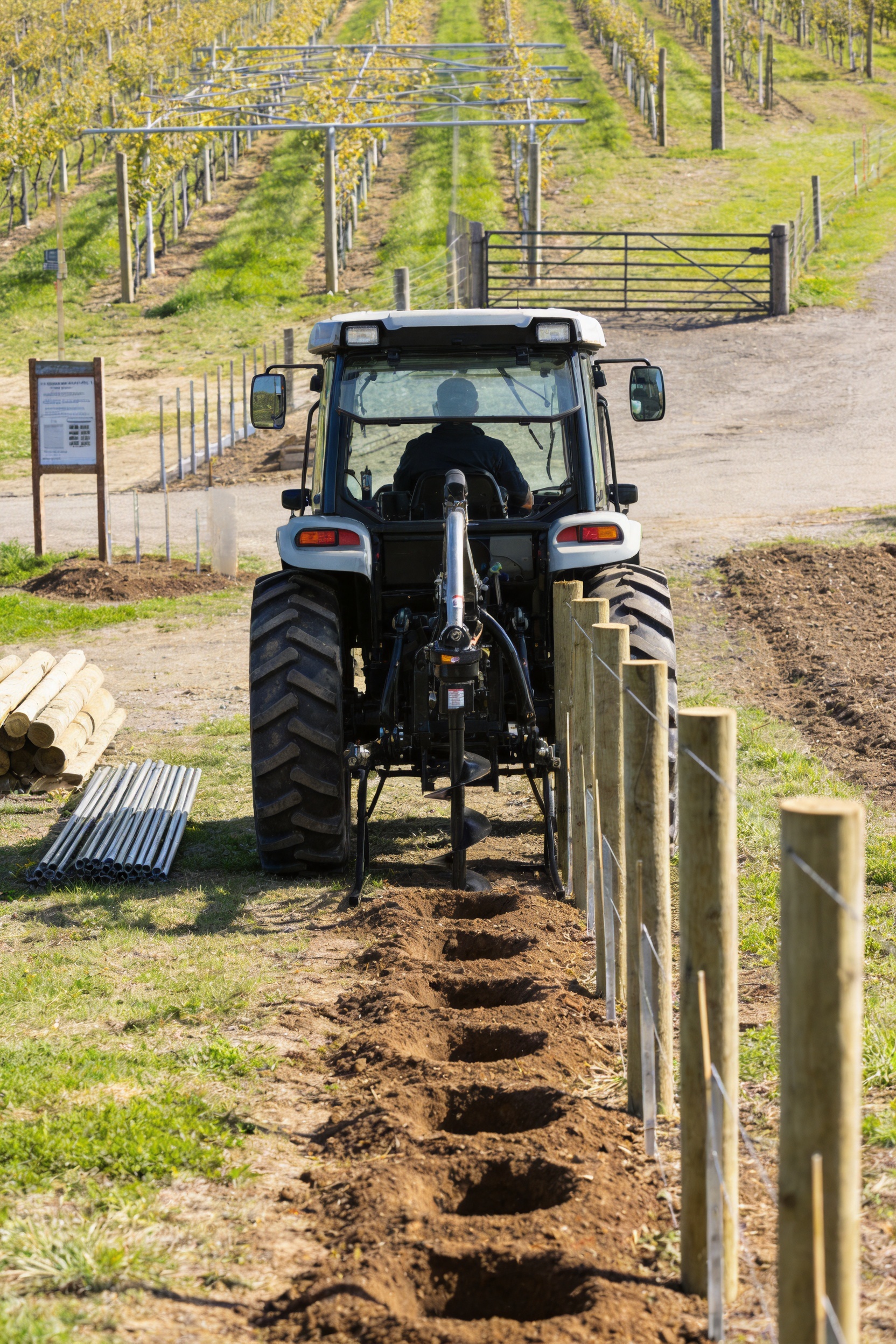
Fence construction is one of the most common uses for a tractor-mounted post auger. Whether the project involves livestock fencing, boundary fencing, garden protection, or farm subdivisions, consistent post holes can improve alignment and installation speed. The operator can work along a planned fence line and create holes at regular intervals.
The appropriate hole diameter depends on the post size and the required stability. Smaller fence posts may need a narrow auger, while corner posts, gate posts, and heavily loaded sections may require larger holes or additional preparation. Users should account for local soil conditions and any construction practices applicable to the fence design.
Orchard and Vineyard Supports
Orchards and vineyards often require repeated installation of support posts. A tractor-mounted auger can prepare holes for trellis systems, row supports, protective structures, and replacement posts. The ability to move efficiently between rows is particularly useful when many holes are placed according to a regular pattern.
In these applications, careful positioning is important. The operator should consider row spacing, irrigation lines, drainage systems, and existing plants before lowering the auger. A pre-marked layout can improve accuracy and reduce the risk of damaging underground systems.
Landscaping and Garden Structures
Landscaping contractors and property owners may use the machine for pergola supports, landscape fencing, shade structures, signposts, and other outdoor features. The range of auger sizes makes it possible to work with both relatively small supports and larger structural posts.
Landscaping sites can contain buried utilities, old concrete, tree roots, and construction debris. A site assessment should be completed before drilling. The tractor and auger should be operated with particular care around established trees, irrigation systems, electrical lines, and drainage installations.
Signs, Gates, and Rural Infrastructure
Roadside signs, farm gates, mailbox supports, and rural information boards all require stable posts. The SP48109 can assist with preparing holes for these installations, especially on properties where a compact tractor is already used for mowing, material handling, or general maintenance.
For gate and sign projects, the hole size should be selected according to the post dimensions, expected wind load, gate weight, and installation depth. Wider or deeper foundations may be needed for posts that carry moving loads or large surface areas.
Manufacturing Strengths of the Supplier
Jiashan Superpower Tools Co., Ltd. specializes in log splitters and lawn and garden equipment, including dump carts, spreaders, lawn sweepers, lawn aerators, and other outdoor power equipment. Its product range reflects experience in designing and manufacturing equipment intended for outdoor, agricultural, and property-maintenance environments.
The company was established in 1997 and has more than two decades of industry experience. This long operating history is relevant because agricultural and outdoor power equipment must balance structural durability, ease of use, transport requirements, and cost efficiency. Experience across related product categories can support practical engineering decisions and a better understanding of the conditions faced by equipment users.
The manufacturing facility is located in the Huimin Economic Development Zone in Jiashan County, Zhejiang Province, between Shanghai and Hangzhou. This location provides access to established industrial infrastructure, component suppliers, logistics services, and export transportation networks. The company serves customers in North America, Europe, Australia, Asia, and South America.
The supplier operates under an ISO 9001:2015-certified quality management system. ISO 9001 certification indicates that the company maintains documented quality-management processes intended to support consistent production, customer requirements, process control, corrective action, and continual improvement. Certification does not mean that every product is identical under every condition, but it provides an organized framework for managing manufacturing quality.
Many of the company’s products also carry CE certification. Where applicable, certification and conformity procedures can help address safety, technical, and market-access requirements for products supplied to relevant regions. Buyers should confirm the exact certification status and documentation for the model and destination market involved in a specific purchase.
Advanced Manufacturing Processes and Quality Control
Although the product is mechanically straightforward, consistent manufacturing is essential. A post hole digger contains structural frames, hitch connection points, rotating shafts, bearings, gearbox components, guards, and fasteners. Each part must work in coordination with the others. Dimensional accuracy, weld quality, material selection, assembly control, and inspection all influence field performance.
A systematic manufacturing process begins with product design and engineering review. The frame must be proportioned to support the gearbox and auger while connecting correctly to Category 1 and Category 2 tractor systems. Clearance around the PTO shaft and rotating components must be considered. The overall dimensions must also remain practical for transport, storage, and packaging.
Material preparation is another important stage. Steel components must be cut and formed consistently so that the frame can be assembled accurately. Repeatable fabrication helps maintain alignment between the gearbox, driveline, auger shaft, and hitch structure. Consistency is particularly important for equipment sold to international customers who expect replacement parts and attachments to fit as specified.
Welding quality is essential because the frame transfers working forces from the auger and gearbox to the tractor. Welded joints should be prepared, positioned, and inspected according to established production procedures. Consistent welding supports structural integrity and helps reduce the likelihood of premature cracking or deformation during normal use.
Machined and purchased components also require control. Bearing seats, shafts, coupling points, and gearbox interfaces must meet their intended dimensional requirements. Poor alignment can increase vibration, accelerate wear, and reduce the efficiency of power transmission. A controlled assembly process helps ensure that the rotating elements operate in the correct relationship to one another.
Surface treatment and finishing can provide additional protection against weather exposure, handling damage, and ordinary outdoor use. Outdoor equipment is frequently exposed to soil, moisture, fertilizer, dust, and changing temperatures. Proper preparation and coating procedures can help preserve the appearance and serviceability of the frame, although users should still clean the machine and repair damaged finishes when necessary.
Quality control should continue after assembly. Inspection may include visual checks, dimensional verification, fastener review, driveline assessment, gearbox inspection, and packaging confirmation. A structured quality system helps identify defects before products leave the factory and supports traceability when corrective action is needed.
The company’s focus on innovative, energy-efficient, environmentally friendly, and cost-effective products is also relevant to the SP48109. The implement uses the tractor’s existing power source rather than requiring a separate engine. This can simplify the equipment fleet and may reduce the need to maintain another fuel-powered machine for occasional post hole work.
Packaging, Shipping, and International Supply
The listed package size is 78.7 by 27.6 by 13.8 inches, equivalent to 2000 by 700 by 350 millimeters. These measurements are useful for distributors, importers, equipment dealers, and commercial buyers planning warehouse space and freight arrangements.
The gross weight is 227 pounds, or 103 kilograms, while the net weight is 160 pounds, or 72.6 kilograms. The difference reflects packaging materials and shipping preparation. Buyers should use the gross weight when planning unloading equipment, pallet handling, warehouse movement, and delivery procedures.
The stated loading reference is 112 pieces in a 40-foot high-cube container. This information can assist wholesale customers in estimating container utilization and preparing purchase quantities. Actual loading capacity may depend on packaging configuration, protective materials, palletization, accessory inclusion, and shipping regulations.
Proper packaging is especially important for tractor implements because the product contains heavy metal components and rotating assemblies. Packaging should help protect the gearbox, hitch frame, shaft connections, and exposed surfaces during loading, transit, and unloading. After delivery, the buyer should inspect the package for impact damage and compare the received components with the purchase documentation.
Installation and Tractor Compatibility Considerations
Before installation, the operator should verify that the tractor is suitable for the implement. The SP48109 is intended for most compact Category 1 and Category 2 tractors, but category compatibility alone does not guarantee that every tractor is appropriate. The tractor should have adequate lift capacity, a compatible three-point hitch, a suitable PTO arrangement, and sufficient stability for the selected auger.
The tractor should be parked on stable, level ground during attachment. The engine must be shut down, the parking brake applied, and the PTO disengaged before connecting the implement. The operator should attach the lower links and top link according to the tractor and implement instructions, then verify that all pins and retainers are securely installed.
The PTO shaft should be checked for correct length, protective shielding, and secure connection. A shaft that is too long may bind when the implement is raised, while one that is too short may separate during operation. The driveline guard should remain in place. Operators should not use an unguarded or damaged PTO shaft.
After attachment, the implement should be raised and lowered slowly to check for interference. The operator should confirm that the auger, gearbox, PTO shaft, and frame have sufficient clearance throughout the lifting range. The machine should not be operated if any component contacts the tractor, ground, hitch, or protective structure unexpectedly.
The selected auger must be installed correctly and secured with the required hardware. The cutting edges and flighting should be inspected before work begins. Worn, bent, cracked, or loose components can reduce digging performance and increase vibration.
Safe Operating Practices
Safety is a central consideration whenever rotating equipment is connected to a tractor. Only trained operators should use the post hole digger. The operator should read the relevant tractor and implement instructions, understand the controls, and know how to stop the PTO and tractor quickly.
No person should stand near the rotating auger, PTO shaft, gearbox, or driveline while the machine is operating. Loose clothing, jewelry, and unsecured hair should be kept away from rotating parts. Bystanders should remain outside the working area, particularly when the auger is being lowered or raised.
The PTO speed must not exceed 540 RPM. Excessive speed can increase the risk of component damage, uncontrolled soil discharge, vibration, and personal injury. The correct operating speed should also reflect the soil and auger conditions. Fast operation is not always the most productive approach; controlled rotation and gradual lowering generally support better results.
Before drilling, the work area should be checked for buried electrical cables, water lines, gas lines, drainage pipes, irrigation systems, concrete, rocks, and other obstructions. Local utility-marking procedures should be followed. A mechanical shear bolt can help protect the driveline, but it cannot prevent all hazards associated with underground services.
The tractor should remain stable throughout operation. Sudden steering movements, excessive side loads, steep slopes, and unsuitable ground conditions can affect stability. The operator should avoid working across slopes where the tractor and implement may become unbalanced. If the auger becomes stuck, the operator should stop the PTO rather than attempting to free it by accelerating or making abrupt movements.
When the work is complete, the PTO should be disengaged and the implement should be lowered to a stable position before the tractor is parked. Maintenance, cleaning, auger changes, shear-bolt replacement, and inspections must be performed only after the tractor and all rotating components have stopped.
Maintenance Recommendations
Routine maintenance helps preserve the performance of the SP48109 and supports safe operation. After each use, the operator should remove accumulated soil, grass, roots, and other debris from the auger and frame. Soil left on the machine can retain moisture and accelerate corrosion.
The gearbox should be inspected for leaks, unusual noise, overheating, or visible damage. Lubrication should follow the applicable manufacturer recommendations. Bearings, shafts, fasteners, and hitch points should be checked regularly, particularly when the machine is used frequently or in difficult ground.
The auger cutting edges should be examined for wear, bending, cracking, or missing hardware. A worn cutting edge can reduce penetration and increase the force required to operate the machine. Damaged parts should be replaced with suitable components rather than repaired through improvised methods.
The PTO shaft and driveline guard require particular attention. The shaft should rotate freely without excessive play, and the guard should not be cracked, missing, or improperly secured. The shear bolt should be inspected and replaced only with the correct specification if it has failed.
At the end of the season or before extended storage, the machine should be cleaned, dried, lubricated as recommended, and stored in a covered location. Exposed surfaces can be protected against rust using an appropriate maintenance product. The auger should be supported safely so that it cannot fall or create a trip hazard.
Why the SP48109 Can Be a Strong Business Choice
For equipment dealers and distributors, the SP48109 offers a product profile that is easy to explain to customers. It is compatible with common compact tractor categories, uses a familiar PTO system, supports several auger sizes, and addresses a clear need in fencing, agriculture, landscaping, and rural maintenance.
The product can also complement other outdoor power equipment in a dealer’s range. Customers who purchase log splitters, dump carts, spreaders, lawn sweepers, aerators, or related implements may also need a post hole digger for property development and maintenance. A broad product portfolio can create opportunities for package sales, replacement parts, and repeat business.
For wholesale buyers, the 40-foot high-cube container loading reference provides a useful starting point for logistics planning. The company’s international experience and distribution across multiple regions may also support export-oriented purchasing. As with any import program, buyers should confirm product documentation, packaging arrangements, compliance requirements, spare parts availability, and after-sales procedures before placing an order.
For end users, the main value lies in using one compact tractor for multiple tasks. The same tractor can transport materials, mow, move soil, operate a spreader, and power a post auger. This versatility can be especially important for small farms, estates, municipalities, landscaping companies, and contractors who must control equipment costs while maintaining productivity.
Frequently Asked Questions
What type of tractor is suitable for the SP48109?
The SP48109 is designed for most compact Category 1 and Category 2 tractors. The tractor must also have adequate lift capacity, a compatible three-point hitch, a suitable PTO connection, and sufficient stability for the selected auger. Buyers should verify the specific tractor and implement requirements before operation.
What PTO speed should be used?
The PTO speed must not exceed 540 RPM. The operator should follow the tractor and implement operating instructions and should avoid increasing the speed to force faster digging. Controlled operation helps protect the gearbox, driveline, auger, and operator.
Which auger sizes are available?
Augers in 6-inch, 9-inch, 12-inch, 18-inch, and 24-inch diameters are available separately. The correct size depends on the post dimensions, required hole width, soil conditions, and tractor capability.
Are augers included with the post hole digger?
The listed auger sizes are sold separately. Buyers should confirm the required diameter and accessory package when ordering.
What protects the driveline from sudden overloads?
The driveline is protected by a shear bolt. If the auger encounters excessive resistance, the bolt is designed to fail and interrupt power transmission before more expensive drivetrain components are damaged. It must be replaced only with the correct specified bolt.
Can the machine be used in rocky or root-filled soil?
The machine may encounter roots, stones, and compacted ground, but difficult conditions can increase the load on the auger and driveline. The operator should work slowly, inspect the site beforehand, and stop if the auger repeatedly stalls or breaks shear bolts. The SP48109 should not be treated as a specialized rock-drilling system.
How much does the machine weigh?
The net weight is 160 pounds, or 72.6 kilograms. The gross shipping weight is 227 pounds, or 103 kilograms.
What are the overall dimensions?
The overall size is 76.1 by 32.8 by 37.6 inches, equivalent to 1933 by 834 by 954 millimeters. The package size is 78.7 by 27.6 by 13.8 inches, equivalent to 2000 by 700 by 350 millimeters.
What industries can benefit from this implement?
Farming, livestock management, fencing, orchard and vineyard development, landscaping, rural property maintenance, sign installation, gate construction, and general outdoor contracting can all benefit from a tractor-mounted post auger.
What should be checked before using the machine?
The operator should check tractor compatibility, hitch connections, PTO shaft length and guarding, auger attachment, gearbox condition, fasteners, shear-bolt protection, work-area hazards, and the location of underground utilities. The operator should also confirm that the PTO speed will not exceed 540 RPM.
How does the product compare with a manual post hole digger?
The SP48109 uses tractor power and hydraulic positioning, reducing the physical effort required for repeated hole digging. It is generally more suitable for larger projects than a manual tool, especially when many holes must be created. A manual digger may still be useful for small repairs, confined areas, or locations inaccessible to a tractor.
What manufacturing qualifications does the supplier have?
Jiashan Superpower Tools Co., Ltd. has operated since 1997, specializes in log splitters and lawn and garden equipment, and operates under an ISO 9001:2015-certified quality management system. Many of its products carry CE certification, subject to the specific model and market requirements.
Conclusion
The 3PT Post Auger SP48109 is a practical tractor-mounted solution for users who need to prepare post holes efficiently across agricultural, fencing, landscaping, and rural maintenance applications. Its compatibility with most compact Category 1 and Category 2 tractors allows it to work with equipment already owned by many small farms, contractors, and property managers.
The product’s principal strengths include its tractor-powered three-point configuration, heavy-duty gearbox, shear-bolt-protected driveline, and compatibility with five separately available auger diameters. These features provide a useful balance of productivity, flexibility, and mechanical protection. Compared with manual tools and limited single-purpose alternatives, the SP48109 can reduce labor requirements and support a wider range of post installation tasks.
The supplier’s experience since 1997, ISO 9001:2015-certified quality management system, international market presence, and broader outdoor power equipment portfolio add further value for distributors and professional buyers. A structured manufacturing process, controlled assembly, appropriate inspection, and careful packaging all contribute to the reliability expected from equipment used in demanding outdoor environments.
Successful operation depends on correct tractor matching, proper PTO control, suitable auger selection, regular maintenance, and strict attention to safety. When these requirements are observed, the SP48109 can serve as a versatile and productive addition to a compact tractor equipment fleet.
References
1. Product specification sheet for the 3PT Post Auger SP48109, including dimensions, weight, auger options, PTO speed, and tractor compatibility.
2. Jiashan Superpower Tools Co., Ltd. company information and product portfolio overview.
3. ISO 9001:2015 quality management system principles and manufacturing process guidance.
4. General tractor three-point hitch, power take-off, and agricultural implement safety practices.
5. General guidance for safe operation and maintenance of PTO-driven earth-auger equipment.
Product: 3PT Post Auger SP48109
PREV:500 lb Poly Dump Cart: Durable, Quiet, Rust-Resistant Yard Transport for Outdoor Work
NEXT:A Practical Guide to Choosing a 22-Ton Gasoline Log Splitter for Efficient Firewood Processing
NEXT:A Practical Guide to Choosing a 22-Ton Gasoline Log Splitter for Efficient Firewood Processing
Interested in cooperation or have questions?
Related products
-
-
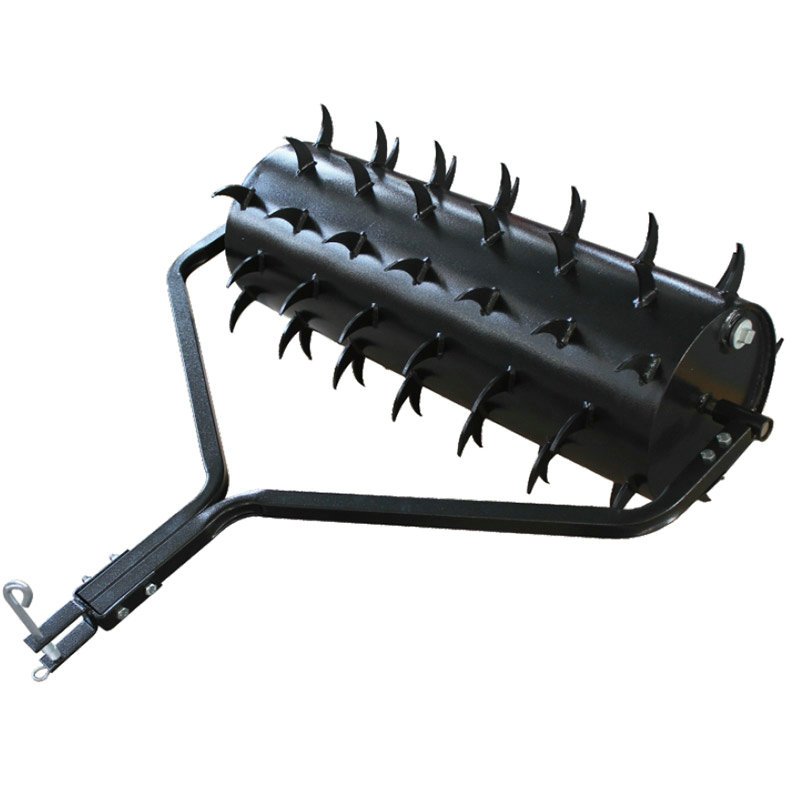
DESCRIPTION ♦Helps nutrients get into the soil and down to the ...
See Details -
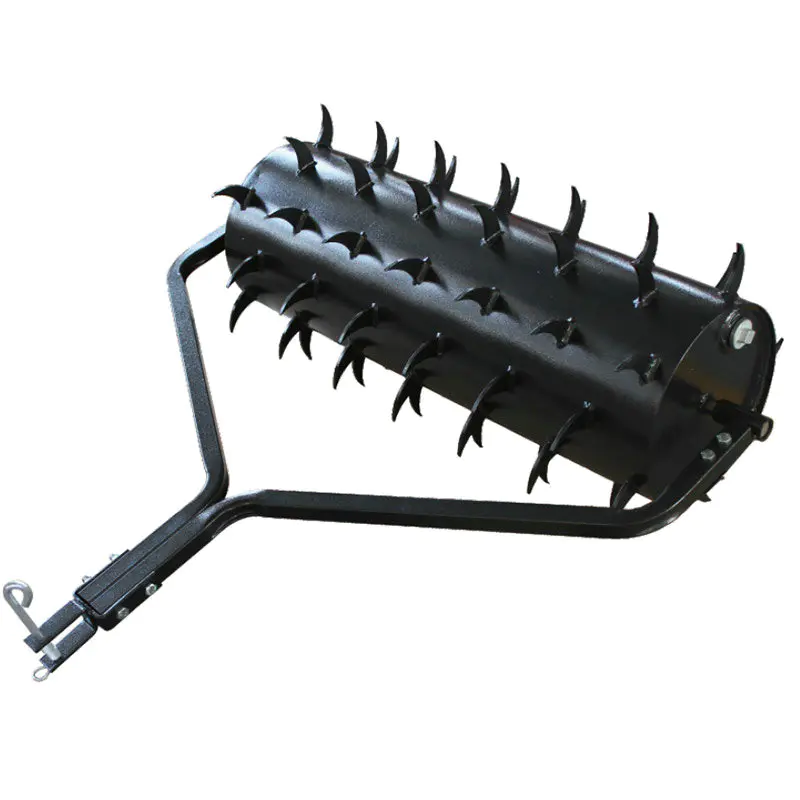
DESCRIPTION ♦Helps nutrients get into the soil and down to the ...
See Details -
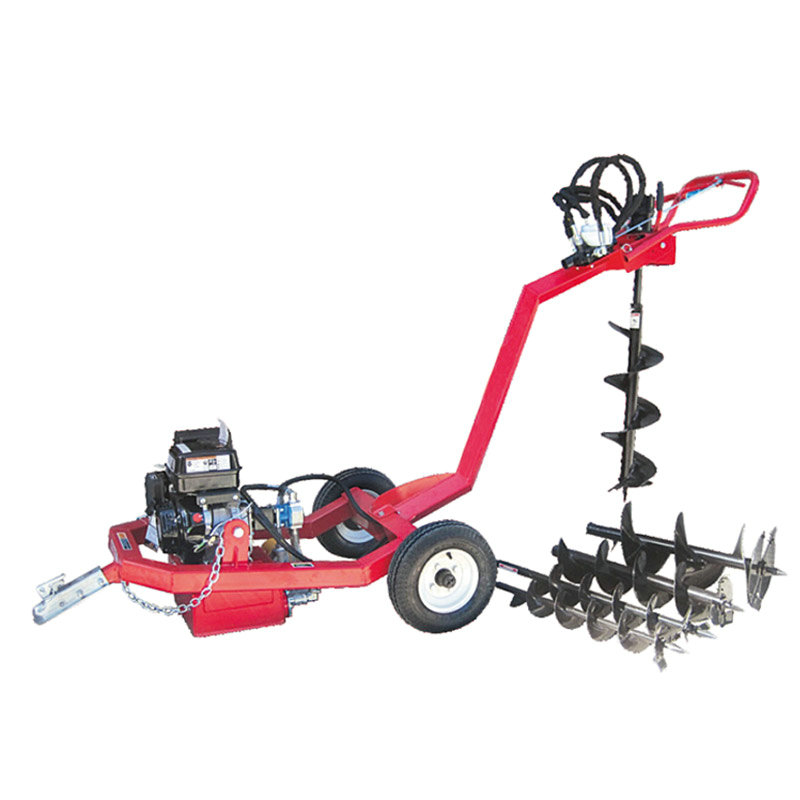
◆MODEL NO.: SP48103 ◆9HP GASOLINE ENGINE ◆IT IS TO DIG FOOTING HOLES, ...
See Details -
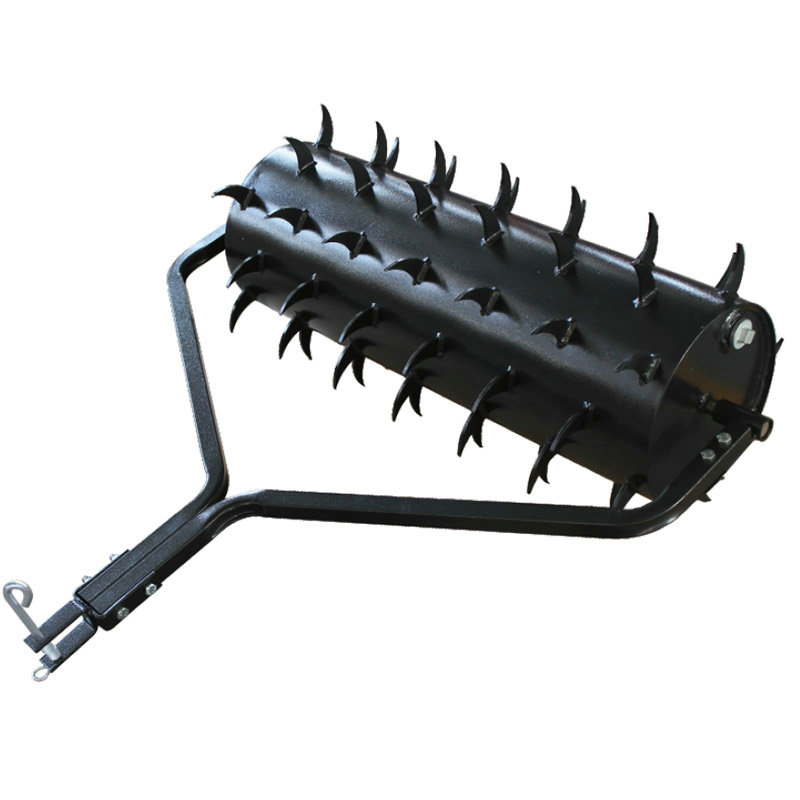
DESCRIPTION ♦Helps nutrients get into the soil and down to the ...
See Details -
◆MODEL NO.: SP31106 ◆24 REPLACEABLE CORING POINTS ◆SINGLE-HAND LIFT LE...
See Details
