 LANGUAGE
 English
 Deutsch
 Español
 Français
 русский









35-Ton Hydraulic Log Splitter for Efficient Firewood Processing
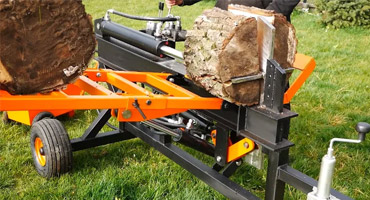
Processing large quantities of firewood requires more than a powerful engine. A dependable log splitter must combine hydraulic force, operating speed, structural durability, convenient controls, transportability, and straightforward maintenance. The LSP35F is designed around these practical requirements, providing a 35-ton maximum splitting force in a compact, towable machine intended for demanding residential, agricultural, landscaping, and light commercial applications.
With a Kohler 277cc OHV engine, a two-stage 17 GPM hydraulic pump, a 5-inch by 24-inch cylinder, and a hardened 9-inch steel wedge, this model is built to handle substantial logs while maintaining a productive cycle time of approximately 13 seconds. Its 25-inch maximum log length gives operators the flexibility to process common firewood sizes without repeatedly cutting logs down before splitting.
The machine is part of a broader product range that includes 28-ton, 32-ton, 35-ton, and 38-ton log splitter configurations. This range allows distributors and end users to select a machine according to their expected workload, log size, and operating environment. The LSP35F occupies an important middle-to-heavy-duty position: it offers more capacity than many entry-level splitters while remaining practical for users who do not require the largest available frame or engine package.
For buyers comparing hydraulic log splitters, the key advantage of this product is its balanced specification. It does not rely on a single oversized component while neglecting the rest of the hydraulic system. Instead, engine output, pump capacity, cylinder dimensions, wedge construction, hydraulic reservoir size, automatic return functionality, and transport equipment are combined into one coordinated package.
Purpose-Built Performance for Difficult Firewood
Manual axes and mauls can be useful for occasional small logs, but they become inefficient when the workload includes knotty hardwood, large rounds, or repeated production over several hours. Mechanical splitting reduces physical strain and allows operators to work through a consistent process. The LSP35F is designed to convert engine power into controlled hydraulic force, pushing a log against a fixed wedge until the wood separates.
The stated maximum splitting force is 35 tons. This rating gives the machine the capacity needed for many common hardwood and softwood applications, including logs that are difficult to split because of diameter, grain direction, knots, or internal tension. Actual performance depends on wood species, moisture content, temperature, grain structure, operator positioning, and maintenance condition, but the 35-ton class provides a substantial operating reserve compared with lighter consumer machines.
A major benefit of this force category is reduced dependence on favorable log conditions. Smaller splitters may perform well with straight-grained, recently cut wood but struggle when the wedge reaches twisted grain or a dense knot. A 35-ton hydraulic system offers greater confidence when the material is inconsistent, which is often the reality for property owners, firewood suppliers, tree-service companies, and land-management operations.
The machine is also suitable for batch work. Firewood processing is rarely limited to one or two logs. Users often need to prepare fuel for an entire heating season, process material after tree removal, or convert felled timber into saleable firewood. A consistent hydraulic cycle and automatic return valve help create a repeatable workflow, allowing the operator to focus on loading, positioning, and removing split pieces.
Compared with a manually operated axe, the product offers a clear productivity advantage through mechanical force and repeatability. Compared with smaller electric or low-tonnage splitters, it provides a higher force rating and a longer maximum log capacity. Compared with some larger professional machines, its 35-ton configuration can offer an attractive balance between output and equipment size.
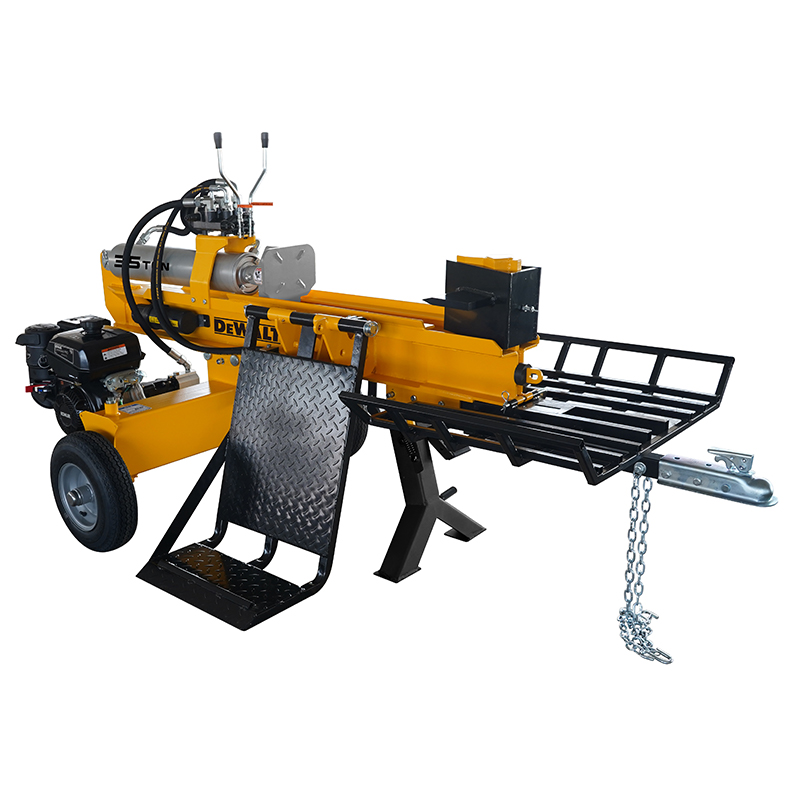
LSP35F DEWALT
Core Specifications and What They Mean in Use
Product specifications are most useful when they are connected to real operating benefits. The following table summarizes the principal data for the LSP35F and explains the practical significance of each component.
| Component or specification | Product data | Practical operating benefit |
|---|---|---|
| Maximum splitting force | 35 tons | Provides substantial force for large, dense, knotty, and irregular logs. |
| Engine | Kohler 277cc OHV engine | Supplies dependable power for the hydraulic system and repeated outdoor operation. |
| Maximum log length | 25 inches | Reduces the need to shorten logs before splitting and supports common firewood dimensions. |
| Cylinder | 5 inches by 24 inches | Combines strong pushing capacity with sufficient travel for long log sections. |
| Hydraulic pump | 17 GPM, two-stage | Supports responsive operation and efficient movement under changing load conditions. |
| Hydraulic capacity | 5 gallons | Provides a useful fluid reserve for system circulation and heat management. |
| Wedge | 9-inch hardened steel | Offers a durable splitting edge and a robust contact surface for repeated use. |
| Valve | Automatic return | Returns the ram after the splitting stroke, improving workflow between logs. |
| Cycle time | Approximately 13 seconds | Creates a repeatable production rhythm for batch processing. |
| Coupler | 2-inch ball coupler | Allows connection to a compatible towing vehicle or utility trailer system. |
| Wheels | 4.8-8, 16-inch | Supports movement around work areas and transport when properly equipped and operated. |
| Filter | Spin-on, replaceable | Simplifies hydraulic maintenance and supports clean fluid circulation. |
The relationship between these specifications is important. A high tonnage rating alone does not guarantee useful productivity. The hydraulic pump must move fluid efficiently, the cylinder must convert fluid pressure into mechanical movement, the engine must maintain sufficient power, and the reservoir and filter must support reliable operation. The LSP35F addresses these areas as a complete system rather than treating force as an isolated marketing number.
Hydraulic System Designed for a Consistent Work Cycle
The hydraulic system is the central working mechanism of a log splitter. The engine powers the pump, the pump moves hydraulic fluid, and the fluid drives the cylinder. In the LSP35F, the 17 GPM two-stage pump is matched with a 5-inch cylinder and a 5-gallon hydraulic capacity. This combination is intended to provide both force and movement efficiency during the splitting cycle.
A two-stage pump generally operates differently depending on the resistance encountered. During lighter movement, the system can circulate fluid at a higher flow rate to move the cylinder quickly. When the wedge meets strong resistance, the pump shifts toward a higher-pressure mode to provide the force required to complete the split. This arrangement is valuable because not every part of the stroke requires maximum pressure.
The practical result is a system that can move efficiently during low-load portions of the cycle while still delivering strong pressure when the wood demands it. This balance helps prevent the machine from behaving like a slow, oversized press during every movement. It also contributes to the approximately 13-second cycle time specified for the model.
The 5-inch cylinder provides a substantial surface area for hydraulic force. Cylinder diameter is one of the important factors influencing splitting power, because hydraulic pressure acts across the piston area. The 24-inch cylinder length also supports logs up to 25 inches in maximum length, subject to the machine’s operating instructions and safe loading practices.
The 5-gallon hydraulic capacity provides an adequate fluid reserve for circulation through the pump, valve, cylinder, and return lines. Proper fluid level and clean hydraulic oil are essential. Operators should inspect the reservoir, hoses, fittings, and filter regularly, especially before intensive seasonal use. The spin-on replaceable filter is a practical maintenance feature because it allows the filtration element to be changed without replacing an entire filter housing.
Hydraulic maintenance is not merely a service concern; it directly affects performance. Contaminated fluid can damage precision components, restricted filtration can reduce flow, and low fluid levels can introduce air into the system. A well-maintained system is more likely to preserve its intended cycle time and force output over the service life of the machine.
Engine Power and Outdoor Operating Capability
The LSP35F uses a Kohler 277cc OHV engine. An overhead-valve engine design is widely used in outdoor power equipment because it can provide an effective balance of power, fuel efficiency, packaging, and serviceability. The engine is responsible for driving the hydraulic pump under changing loads, so dependable starting and consistent running are important for a productive work session.
Engine selection affects more than the advertised horsepower. The engine must be compatible with the pump’s operating requirements and must tolerate repeated transitions between lighter hydraulic movement and high-resistance splitting. The 277cc engine package is intended to provide the operating power needed by the 35-ton hydraulic system without requiring the frame to become unnecessarily large or difficult to move.
For outdoor users, a gasoline engine offers flexibility that may not be available with corded electric equipment. The machine can be used in a woodlot, farm, rural property, roadside work area, or other location where electrical access is limited. This makes it particularly practical for users who process logs close to where trees are cut rather than transporting all material to a workshop.
Routine engine care remains essential. Operators should follow the engine manufacturer’s recommendations for fuel, oil, air-filter service, spark-plug inspection, storage, and seasonal preparation. Clean cooling areas and correct oil levels help support dependable operation. Fuel should be stored and handled in accordance with applicable safety requirements, and the engine should be shut down before servicing or clearing material.
The engine and hydraulic system should be viewed as a matched operating package. Increasing the size of one component without considering the others can reduce efficiency or place unnecessary stress on the equipment. The LSP35F’s specified engine, pump, cylinder, and reservoir combination is intended to provide a coherent performance level for the 35-ton category.
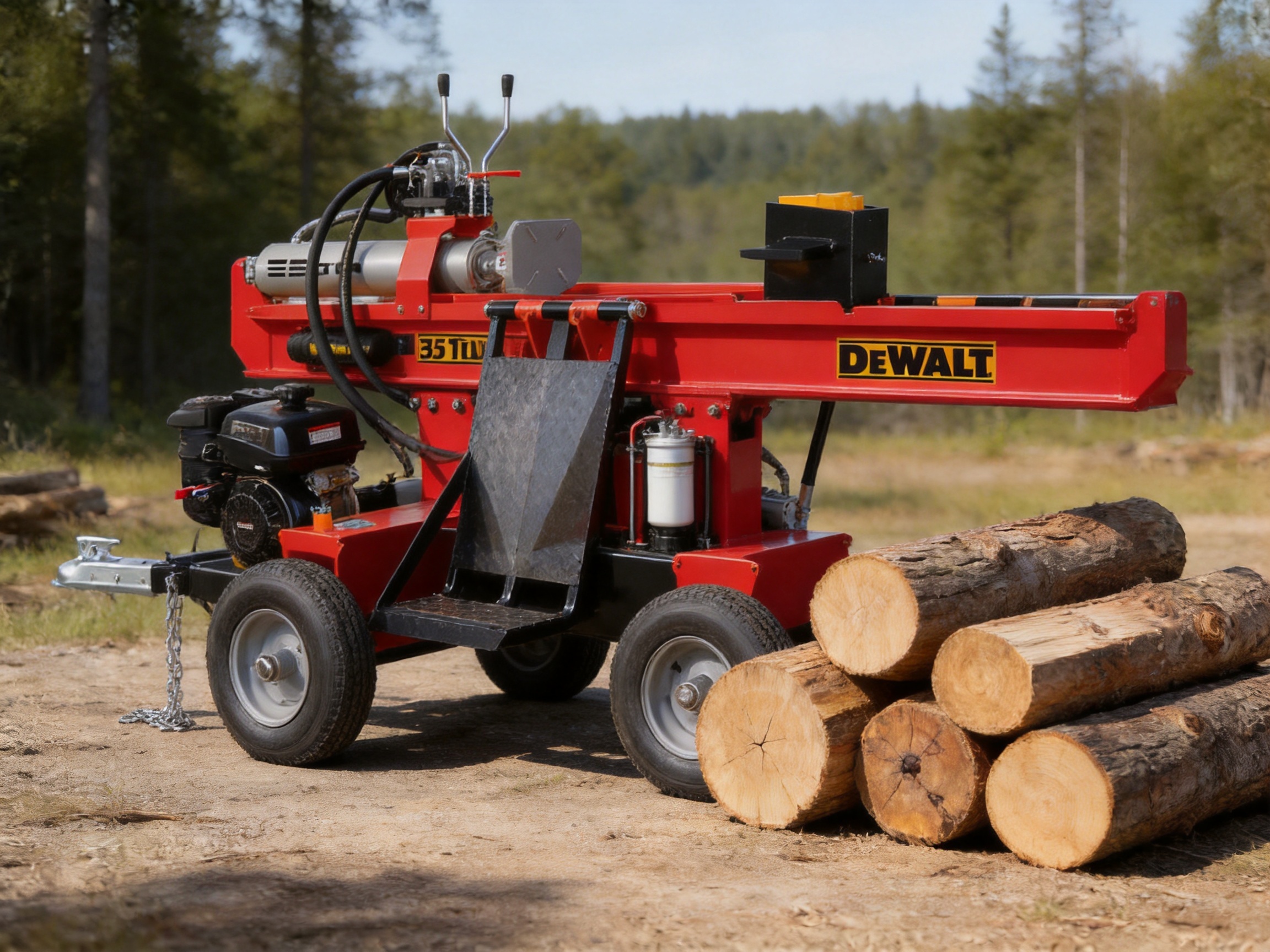
Durable Wedge and Structural Working Area
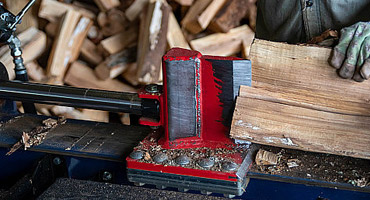
The wedge is the point of direct contact between the machine and the log. It must maintain its form under repeated impact-like loading, resist deformation, and present a geometry that encourages the wood to separate. The LSP35F uses a 9-inch hardened steel wedge, giving the working end a durable construction suitable for repetitive firewood processing.
Hardened steel is advantageous in this application because the wedge is exposed to pressure, abrasive bark, dirt, and irregular grain. A wedge that wears quickly may lose its effective shape, while a wedge that bends can create alignment problems and unsafe operating conditions. The hardened construction is intended to help preserve the wedge’s working profile over repeated cycles.
A 9-inch wedge provides a substantial splitting surface for common firewood rounds. Its size is appropriate for a machine in the 35-ton class, where the objective is to divide logs efficiently without relying solely on a narrow point. The correct loading position remains important: logs should be centered and placed securely against the designated support area before the cycle begins.
Durability also depends on the surrounding structure. The wedge, beam, cylinder mount, log cradle, and frame must remain properly aligned. Users should inspect these areas for loose fasteners, cracks, excessive wear, or deformation. Keeping the working area free of accumulated chips and debris helps the operator maintain clear visibility and reduces interference with log placement.
Compared with light-duty machines that may use smaller components for occasional use, the LSP35F is configured for heavier and more frequent workloads. This does not mean that the machine is immune to misuse. Logs should not be forced into an unsafe position, and operators should not exceed the stated capacity or attempt to split materials that are unsuitable for the equipment.
Automatic Return and Productive Workflow
Repeated firewood production involves many similar movements: place the log, activate the control, allow the wedge to complete the split, return the ram, remove the pieces, and load the next log. Small improvements in each step can make a significant difference over hundreds of cycles. The automatic return valve helps streamline this process by returning the cylinder after the splitting stroke.
Automatic return reduces the need for a separate manual action after each split. Once the ram reaches the end of its stroke or completes the required movement, the valve directs the hydraulic system so that the cylinder returns to its starting position. This creates a more predictable rhythm and allows the operator to prepare for the next log.
The specified cycle time is approximately 13 seconds. Cycle time can vary depending on operating conditions, log positioning, temperature, hydraulic oil condition, and the actual distance the cylinder must travel. Nevertheless, the stated figure provides a useful reference for estimating productivity. A consistent cycle is often more valuable than an impressive peak force that is accompanied by slow or irregular operation.
For firewood sellers, landscaping contractors, farms, and property managers, workflow consistency can influence labor costs. An operator can establish a repeatable loading and unloading pattern, while a second person may stack, measure, or move the split wood when the work volume justifies a two-person operation. Appropriate worksite organization can make the machine’s hydraulic performance more effective.
Safety must remain part of the workflow. Hands should be kept away from the wedge, cylinder, and log contact points. Operators should never attempt to hold a log in place during an active cycle. Logs that roll, shift, or cannot be positioned securely should be rejected or handled with suitable equipment. The automatic return function improves convenience, but it does not replace operator attention.
Transportability for Flexible Work Locations
Many log splitters are used away from permanent facilities. Trees may be felled in a field, along a property boundary, at a rural residence, or near a commercial landscaping project. The LSP35F includes a 2-inch ball coupler and 4.8-8, 16-inch wheels to support movement between suitable work locations.
The coupler provides a familiar connection format for compatible towing equipment. Before transport, users must confirm that the towing vehicle, hitch, coupler, safety chains, tires, and other components are correctly matched and in safe condition. Local regulations may specify requirements for lighting, registration, maximum towing speed, braking, and road use. The machine should only be towed in accordance with the operating manual and applicable law.
The wheels support positioning around a property, loading area, or firewood work zone. The machine should be placed on stable, reasonably level ground before operation. A level working position helps reduce the chance of log movement and gives the operator better control over loading and unloading.
Transportability is a meaningful advantage over stationary equipment. A permanent splitter may offer strong output but require logs to be carried to one location. A towable configuration can allow processing closer to the source, reducing repeated handling of heavy rounds. Fewer handling steps can lower labor demands and reduce the risk associated with moving large logs unnecessarily.
Mobility does not mean the machine should be moved casually. The engine should be off, moving components should be secured, and the splitter should be inspected before and after transport. Tire condition and inflation, coupler engagement, wheel hardware, and frame components deserve regular attention, particularly when the equipment is moved across uneven ground.
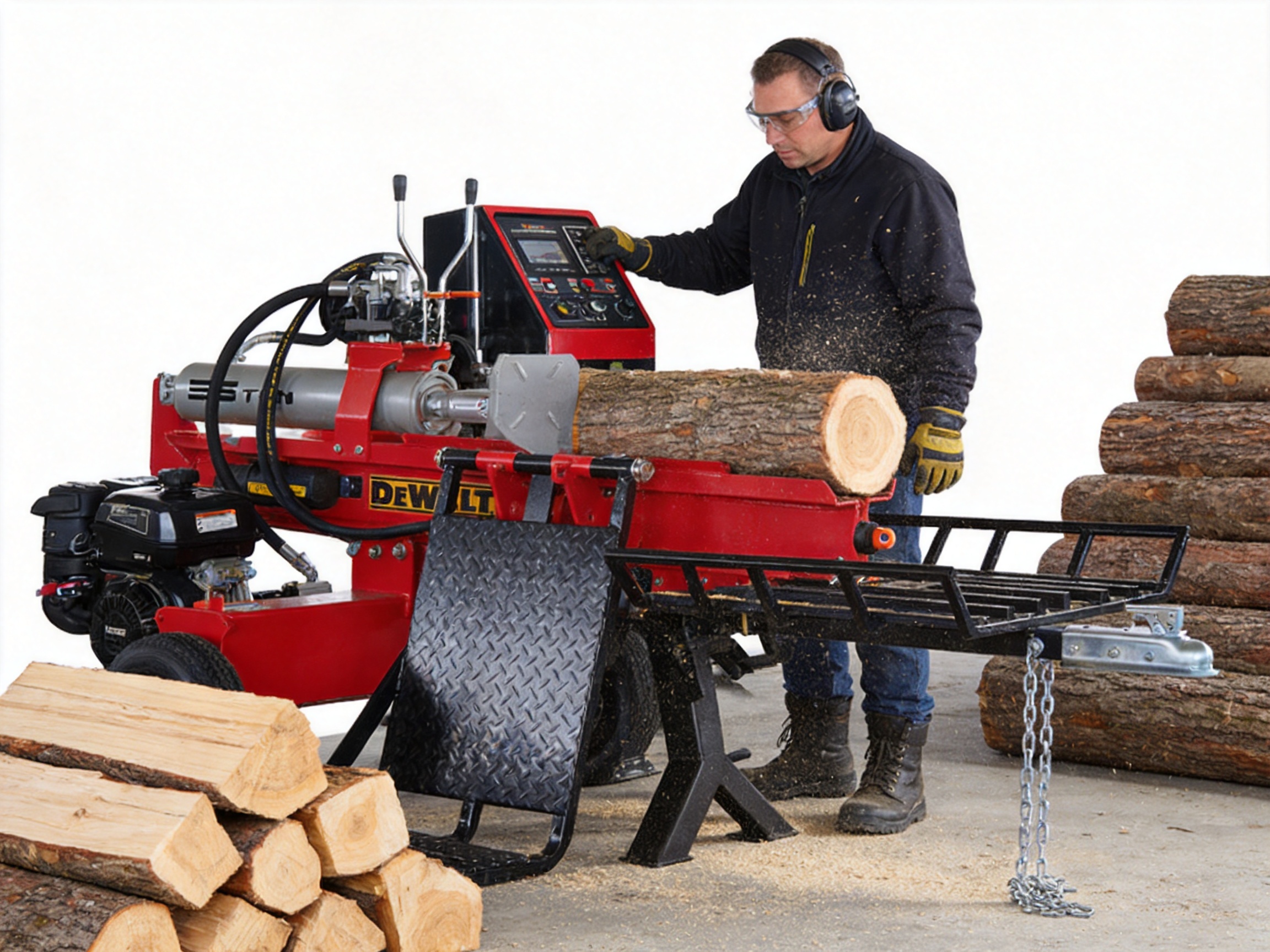
Advantages Compared with Alternative Log Splitter Categories
Buyers typically compare log splitters across several categories rather than evaluating one specification in isolation. The LSP35F offers a distinct position between compact consumer equipment and the largest professional machines.
Compared with manual splitting tools, the primary advantage is mechanical force. A hydraulic cylinder can apply sustained pressure to the log, reducing the physical effort required from the operator. This makes the machine suitable for larger workloads and for users who want to reduce repetitive swinging, impact, and fatigue.
Compared with small electric splitters, the LSP35F provides a higher 35-ton force rating, a longer maximum log capacity, and gasoline-powered mobility. Electric models can be convenient near a suitable power supply and may be attractive for light residential work, but they are less flexible in remote locations. The gasoline engine allows the LSP35F to work where extension cords and electrical outlets are impractical.
Compared with lower-tonnage gasoline splitters, the LSP35F offers additional capacity for dense or irregular logs. A lighter machine may be adequate for softwood and smaller rounds, but the greater reserve of a 35-ton model can reduce the number of logs that must be cut down or manually repositioned because of resistance.
Compared with larger commercial splitters, the LSP35F may be easier to justify for mixed-use applications. Not every user needs the highest available tonnage or the largest frame. A 35-ton machine can provide strong performance while avoiding some of the additional size, weight, purchase cost, and transport requirements associated with the largest equipment classes.
The product’s advantages are therefore based on balance: strong force, practical log length, a two-stage pump, a recognized engine configuration, automatic return, a replaceable hydraulic filter, and towable construction. These features help it serve users who require more than occasional light-duty splitting but do not need a specialized industrial processing line.
Manufacturing Strengths and Quality Management
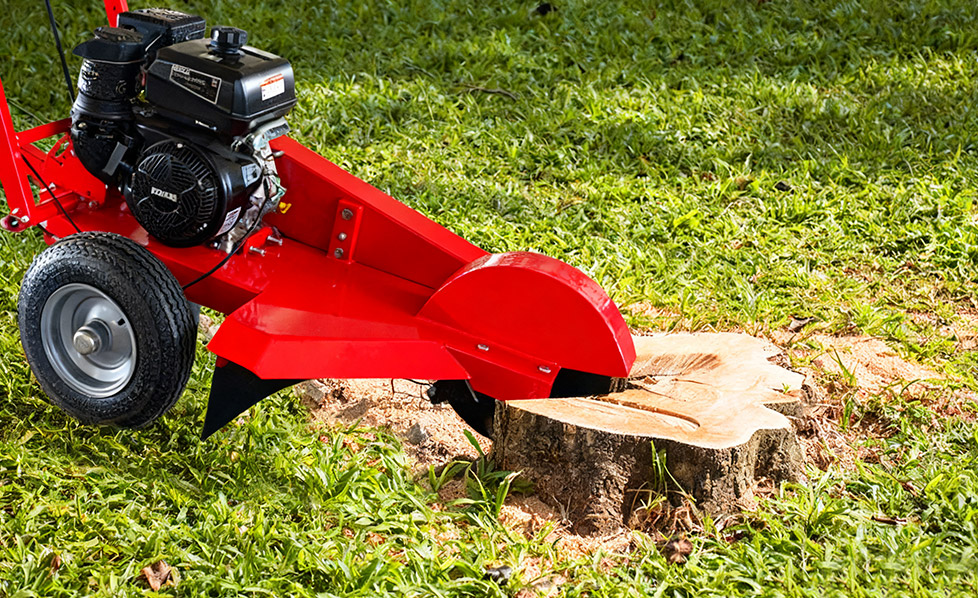
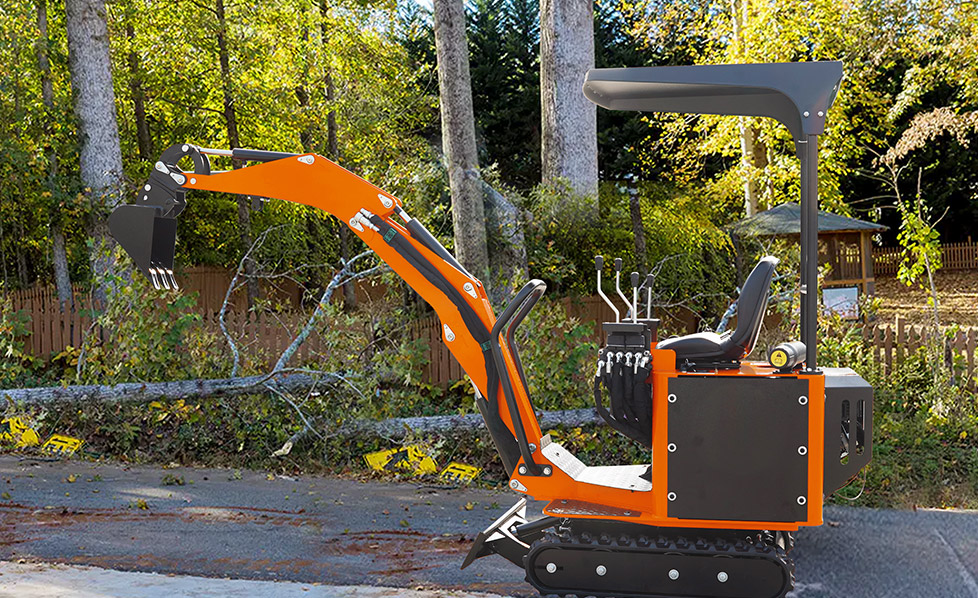
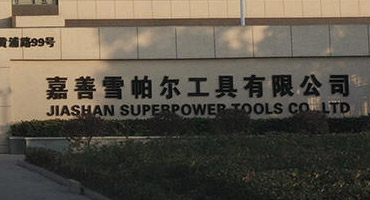
The manufacturer, Jiashan Superpower Tools Co., Ltd., specializes in log splitters and lawn and garden equipment. Its product range includes dump carts, spreaders, lawn sweepers, lawn aerators, lawn groomers, chippers, stump grinders, post pounders, tie rod cylinders, PTO shafts, and other outdoor power equipment. This product breadth gives the company experience across hydraulic systems, fabricated frames, wheels, towing components, cutting and splitting mechanisms, and outdoor equipment assembly.
The company was established in 1997 and has more than two decades of industry experience. Long-term participation in the outdoor power equipment sector can support accumulated knowledge in product development, production planning, component sourcing, assembly procedures, quality inspection, and export documentation.
Its manufacturing facility is located in the Huimin Economic Development Zone of Jiashan County, Zhejiang Province, in a region positioned between Shanghai and Hangzhou. This location provides access to established industrial supply networks, transportation infrastructure, engineering resources, and export logistics. For international buyers, manufacturing location and supply-chain connectivity can influence lead times, component availability, packaging, and communication throughout an order.
The company operates under an ISO 9001:2015-certified quality management system. A quality management system is significant because it creates a framework for controlled processes rather than relying only on final-product inspection. It can cover areas such as document control, purchasing, supplier evaluation, production procedures, traceability, nonconformance handling, corrective action, and continual improvement.
For a hydraulic log splitter, controlled manufacturing processes are especially important. The frame must be fabricated accurately, hydraulic components must be installed correctly, hoses and fittings must be routed safely, moving parts must be aligned, and the completed unit must be checked before shipment. A structured quality system helps organize these activities and creates a basis for repeatability across production batches.
The company also reports that many of its products carry CE certification. Certification and conformity requirements vary according to product type, destination market, and applicable regulations. Buyers should confirm the specific documentation required for the exact model and market. Nevertheless, experience with international conformity processes can be valuable when products are supplied to customers across North America, Europe, Australia, Asia, and South America.
Manufacturing strength is not limited to machinery on the factory floor. It also includes engineering coordination, production scheduling, quality records, packaging design, spare-parts support, and the ability to communicate with distributors and original-equipment customers. The company’s stated focus on innovative, energy-efficient, environmentally friendly, and cost-effective products aligns with the needs of modern outdoor power equipment markets.
Production Processes That Support Product Reliability
A log splitter must withstand repeated mechanical loading, vibration, outdoor exposure, hydraulic pressure, and transport. The manufacturing process therefore needs to control several stages from raw material preparation to final inspection. Although individual production details may vary by order and factory program, the main process areas can be understood through the product’s design requirements.
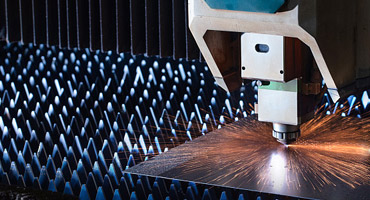
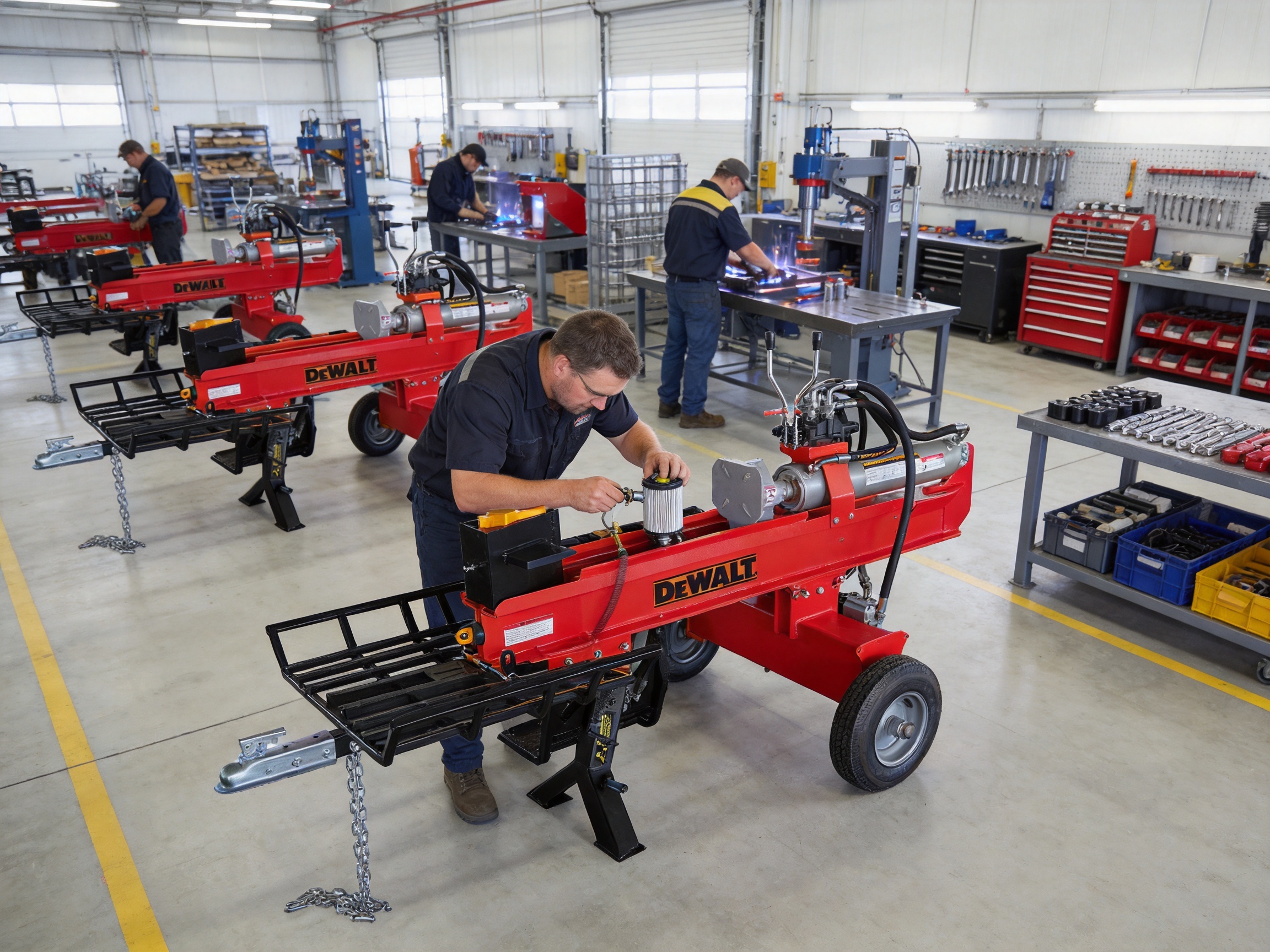
Frame fabrication begins with accurate cutting, forming, drilling, and welding of structural components. Dimensional consistency is important because the beam, cylinder, wedge, axle, wheels, and towing parts must work together. Welding quality affects structural integrity, while correct drilling and assembly dimensions support alignment and reduce unnecessary stress on moving components.
Surface preparation and protective finishing help equipment resist corrosion caused by moisture, dirt, and outdoor storage. Coated surfaces should be properly prepared before finishing, and completed parts should be inspected for coverage, adhesion, and visible defects. Protecting the frame is particularly important for equipment that may be used in damp grass, soil, wood debris, or changing weather conditions.
Hydraulic assembly requires attention to cleanliness and connection quality. Hoses, fittings, valves, pumps, filters, and cylinders must be installed in accordance with the design. Contamination introduced during assembly can affect hydraulic performance, so controlled handling and inspection are important. Connections should be checked for correct routing, secure fastening, and potential interference with moving or hot components.
Engine installation includes mounting the engine securely, aligning the drive arrangement, connecting controls, and checking access for routine service. The engine must be integrated with the hydraulic pump so that power transfer is dependable under load. Controls should be positioned so that the operator can work without unnecessary exposure to pinch points or moving components.
Final inspection may include checks of fasteners, welds, hydraulic connections, fluid levels, control operation, engine running, cylinder movement, automatic return function, wheel installation, coupler condition, and protective guards. Packaging inspection is also valuable because a machine can be damaged during handling if it is not properly secured for shipment.
These process areas demonstrate why an experienced manufacturer can provide value beyond a component list. The performance of a log splitter depends on how the system is designed, assembled, inspected, packaged, and supported. A reliable production organization helps ensure that the completed machine reflects the intended engineering specification.
Applications Across Property and Commercial Operations
The LSP35F is suitable for homeowners who heat with wood and need to process a seasonal supply. Its 25-inch maximum log length accommodates many common firewood sections, while the 35-ton force rating provides capacity for a broad range of species and log conditions. Users can process material from storm cleanup, tree removal, property maintenance, or routine firewood preparation.
Small farms and rural businesses may use the machine to prepare heating fuel, clear fallen trees, or process wood generated during land management. The towable design allows the splitter to move between buildings, fields, storage areas, and woodland edges when appropriate access is available.
Landscaping and tree-service companies can benefit from converting removed limbs and trunks into usable firewood or mulch feedstock, depending on the material and their broader operation. A hydraulic splitter can add value to wood that might otherwise require disposal. The machine may also support seasonal firewood sales where production volume does not justify a large industrial processing line.
Property managers, campgrounds, lodges, and rural hospitality businesses may use a splitter to prepare fuel for cabins, boilers, fireplaces, or outdoor facilities. In these applications, repeatable operation and mobility can be more important than maximum industrial throughput.
Municipal, institutional, and community organizations may also find the machine useful for managing storm-damaged trees or maintaining wood supplies. Any organization using the equipment should establish operator training, inspection routines, personal protective equipment requirements, and procedures for handling unusually large or unstable logs.
Maintenance Practices for Long-Term Service
Regular maintenance helps preserve performance and protect the operator. Before each work session, users should inspect the frame, wedge, beam, cylinder, hydraulic hoses, fittings, coupler, wheels, and controls. Any leak, crack, loose fastener, damaged tire, or unusual movement should be addressed before operation continues.
The hydraulic system should be maintained with the correct fluid and at the proper level. The spin-on replaceable filter should be changed according to the maintenance schedule or sooner if contamination or restricted flow is suspected. Hydraulic oil should be checked for signs of contamination, discoloration, or abnormal odor. Maintenance should be performed only after the system has been shut down and stored pressure has been safely released according to the instructions.
Hydraulic leaks should never be checked with an unprotected hand. Pressurized fluid can penetrate skin and cause serious injury. Cardboard or another safe inspection method should be used to identify leaks, and qualified medical assistance should be sought immediately if injection injury is suspected.
The engine requires routine oil, air-filter, fuel, and spark-plug care. The cooling area should be kept clear of wood chips and debris. Fuel should not be stored in an unsafe container or left in the machine for extended periods without appropriate seasonal preparation. During long-term storage, the equipment should be protected from moisture and unauthorized use.
The wedge and log-contact surfaces should be kept clean and inspected for excessive wear. A dull or damaged wedge can reduce performance and increase stress on the system. Fasteners should be checked for proper tightness, while wheel and coupler components should receive special attention before transport.
Maintenance intervals depend on usage intensity, environmental conditions, and the manufacturer’s instructions. A machine used for several hundred cycles during a short season requires more frequent inspection than one used occasionally. Keeping a basic service record can help operators identify recurring issues and plan filter, fluid, and engine maintenance before the next heavy work period.
Safe and Efficient Operating Practices
Operators should read the complete product and engine manuals before using the machine. Training should cover controls, emergency shutdown, loading position, towing, hydraulic hazards, engine operation, and procedures for clearing a jam. Only people who understand the equipment and its risks should operate it.
The working area should be clear of unnecessary people, loose tools, trip hazards, and flammable materials. Operators should wear suitable eye protection, hearing protection, sturdy footwear, gloves appropriate for handling logs, and clothing that cannot become entangled in moving parts. Gloves should not be used in a way that encourages hands to enter the splitting zone.
Logs should be placed securely and centered in the approved working position. Crooked, unstable, or excessively irregular pieces should be handled carefully or rejected. The operator should never use body parts, tools, or another log to hold a piece in place while the cylinder is moving.
The engine should be stopped before performing adjustments, clearing wood, inspecting moving components, or servicing the hydraulic system. Stored hydraulic energy can remain in the system after the engine is turned off, so pressure-release procedures must be followed. Unauthorized modifications should be avoided because changes to the wedge, valve, pressure settings, frame, or towing components may create serious hazards.
Safe operating habits also improve productivity. A clean loading area, organized split-wood stacking zone, and planned workflow reduce unnecessary movement. Operators should avoid rushing the cycle or attempting to exceed the machine’s rated capacity. Controlled, consistent work is generally more productive than repeated interruptions caused by misaligned logs, jams, or preventable maintenance problems.
Purchasing Considerations for Distributors and End Users
Buyers should begin by identifying the expected log size, wood species, seasonal volume, worksite conditions, and transportation needs. The LSP35F is a strong candidate for users who need a 35-ton machine with a 25-inch log capacity and gasoline-powered mobility. Those who process smaller volumes may choose a lower-capacity model, while users with exceptionally large or continuous production requirements may consider the 38-ton configuration or a larger commercial solution.
Distributors should evaluate more than the product’s headline specifications. Important questions include available spare parts, packaging standards, documentation, warranty arrangements, engine support, hydraulic component availability, order quantities, and conformity requirements in the target market. A manufacturer with a broad outdoor equipment range may be able to coordinate related products and replacement components across a wider product program.
End users should confirm that the towing arrangement is compatible with their vehicle and that local laws permit the intended transport method. They should also verify the operating orientation, required storage space, recommended hydraulic fluid, service intervals, and any accessories needed for their specific application.
Total cost of ownership includes fuel, hydraulic oil, filters, engine maintenance, tires, storage, labor, and downtime. A machine with a balanced hydraulic system and accessible maintenance components can be more economical over time than equipment that is inexpensive to purchase but difficult to service or poorly matched to the workload.
Product support is another important consideration. Clear manuals, responsive technical communication, replacement parts, and dependable order coordination can affect the long-term value of the machine. Jiashan Superpower Tools Co., Ltd. serves international customers and states that it welcomes long-term partnerships based on equality and mutual benefit, making communication and supply cooperation relevant factors for commercial buyers.
Why the LSP35F Represents a Balanced Equipment Choice
The LSP35F combines the principal features expected from a serious towable hydraulic log splitter. Its 35-ton force rating supports difficult logs, while the 25-inch maximum log length accommodates practical firewood dimensions. The Kohler 277cc OHV engine supplies the power source, and the 17 GPM two-stage pump coordinates movement and pressure according to the load.
The 5-inch by 24-inch cylinder, 5-gallon hydraulic capacity, hardened 9-inch steel wedge, automatic return valve, approximately 13-second cycle time, replaceable spin-on filter, 2-inch ball coupler, and 16-inch wheels complete a specification package focused on productivity and serviceability.
Its advantages over lighter alternatives include greater splitting capacity, more flexibility with difficult wood, and gasoline-powered operation away from electrical outlets. Its advantage over the largest machines is balance: it provides substantial capability without requiring every buyer to purchase the highest-tonnage equipment available.
The product is supported by a manufacturer with long-term experience in outdoor power equipment, a broad product portfolio, ISO 9001:2015-certified quality management, international market experience, and a stated commitment to cost-effective and environmentally responsible development. These factors provide a foundation for consistent production and long-term business cooperation.
For property owners, farms, landscaping businesses, firewood suppliers, and outdoor equipment distributors, the LSP35F is positioned as a practical solution for recurring log-processing work. When correctly maintained and safely operated, it can reduce manual labor, improve workflow consistency, and help users convert raw logs into manageable firewood more efficiently.
Questions and Answers
What is the maximum splitting force of the LSP35F?
The maximum splitting force is 35 tons. This places the machine in a heavy-duty category suitable for many large, dense, knotty, and irregular logs, although actual results depend on wood species, moisture, grain, temperature, and operating conditions.
What engine powers the log splitter?
The machine uses a Kohler 277cc OHV engine. The engine drives the hydraulic pump and is intended to provide the power required for repeated outdoor splitting work.
What is the maximum log length?
The specified maximum log length is 25 inches, or approximately 635 millimeters. Logs must still be positioned securely and handled according to the operating instructions.
How fast is the hydraulic cycle?
The stated cycle time is approximately 13 seconds. Actual cycle time may vary with log resistance, cylinder travel distance, hydraulic oil temperature, maintenance condition, and operator workflow.
What type of hydraulic pump is used?
The LSP35F uses a 17 GPM two-stage hydraulic pump. The two-stage design is intended to support faster movement during lighter portions of the cycle and higher pressure when the wedge encounters greater resistance.
Does the splitter have automatic cylinder return?
Yes. The valve is specified as an automatic-return type, which sends the cylinder back after the splitting stroke and helps create a more efficient repeated work cycle.
What kind of wedge does the machine use?
The machine uses a 9-inch hardened steel wedge. Hardened steel is intended to provide durability under repeated contact with logs, bark, dirt, and irregular grain.
Can the LSP35F be transported?
The product includes a 2-inch ball coupler and 4.8-8, 16-inch wheels. Users must verify towing compatibility, follow the product instructions, and comply with all applicable transportation laws and safety requirements.
Who manufactures the product?
The product is manufactured by Jiashan Superpower Tools Co., Ltd., a Chinese manufacturer specializing in log splitters, lawn and garden equipment, and other outdoor power products.
What quality-management experience does the manufacturer have?
The manufacturer operates under an ISO 9001:2015-certified quality management system. It has been established since 1997 and serves customers in multiple international markets.
What maintenance does the hydraulic system require?
Maintenance includes checking fluid level and condition, inspecting hoses and fittings, changing the spin-on replaceable filter according to the service schedule, and checking for leaks or abnormal operation. Maintenance must be performed with the machine shut down and hydraulic pressure safely managed.
Is the machine suitable for commercial use?
The 35-ton specification, automatic return valve, two-stage pump, durable wedge, and towable design make it suitable for many agricultural, landscaping, property-management, and small commercial applications. Buyers with continuous industrial production requirements should compare the model with equipment designed specifically for their throughput and duty cycle.
References
1. Product specification sheet for the LSP35F hydraulic log splitter, including engine, hydraulic, cylinder, wedge, cycle-time, wheel, and towing data.
2. Jiashan Superpower Tools Co., Ltd. company information and outdoor power equipment manufacturing profile.
3. ISO 9001:2015 quality management system principles and process-control guidance.
4. General hydraulic equipment maintenance practices for pumps, cylinders, valves, filters, reservoirs, hoses, and fittings.
5. General outdoor power equipment safety practices for engine operation, log handling, towing, maintenance, and hydraulic-pressure hazards.
6. General firewood-processing guidelines concerning log positioning, operator protection, worksite organization, and seasonal equipment storage.
Product: LSP35F DEWALT

PREV:No previous article
NEXT:75 lb All-Purpose Push Spreader: Precision, Durability, and Efficient Lawn Care
NEXT:75 lb All-Purpose Push Spreader: Precision, Durability, and Efficient Lawn Care
Interested in cooperation or have questions?
Related products
-
-
Vertical operation position onlyHardened steel wedge24"/61cm split len...
See Details -
Vertical operation position onlyHardened steel wedge24"/61cm split len...
See Details -
Vertical operation position onlyHardened steel wedge43.3” / 110cm log ...
See Details -
DESCRIPTION Working at horizontal position onlyAuto return hydraulic c...
See Details