 LANGUAGE
 English
 Deutsch
 Español
 Français
 русский










10-Ton Manual Log Splitter: Practical Power for Efficient Firewood Preparation
Preparing firewood by hand can be one of the most demanding tasks in residential property maintenance, forestry cleanup, and seasonal heating preparation. Chopping logs with an axe or maul requires repeated impact, considerable physical effort, and a high degree of accuracy. Electric and gasoline-powered splitters can reduce this effort, but they may also introduce concerns involving fuel, electrical access, engine maintenance, noise, storage, and operating cost. A manual hydraulic log splitter offers a useful middle ground: it provides mechanical splitting force while remaining independent of fuel and mains electricity.
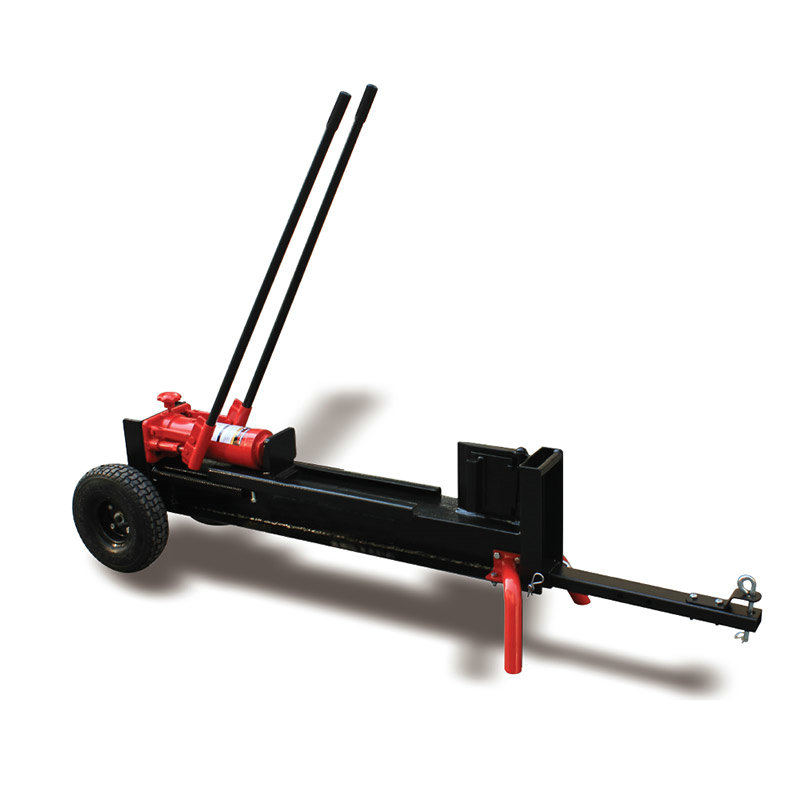
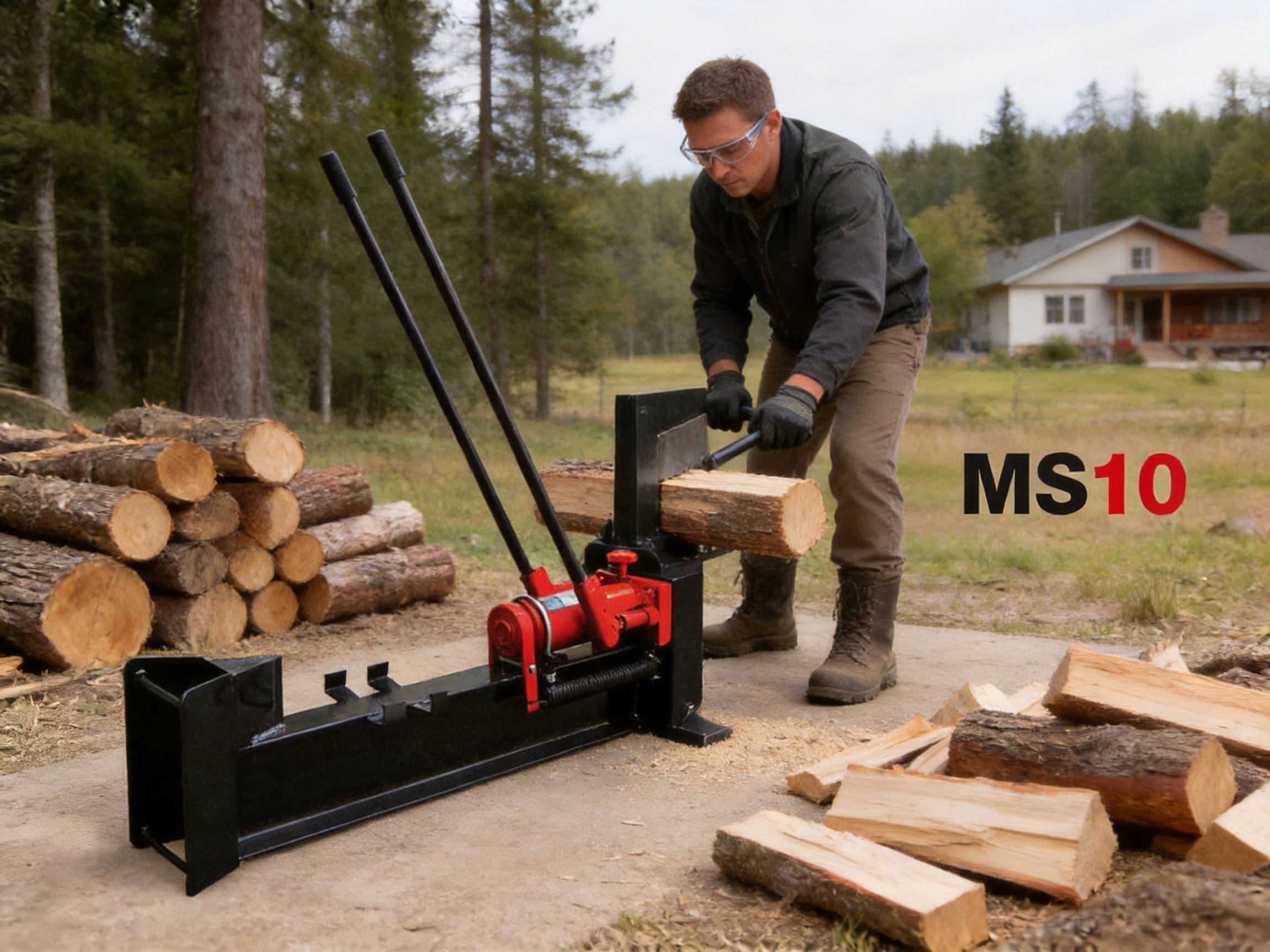
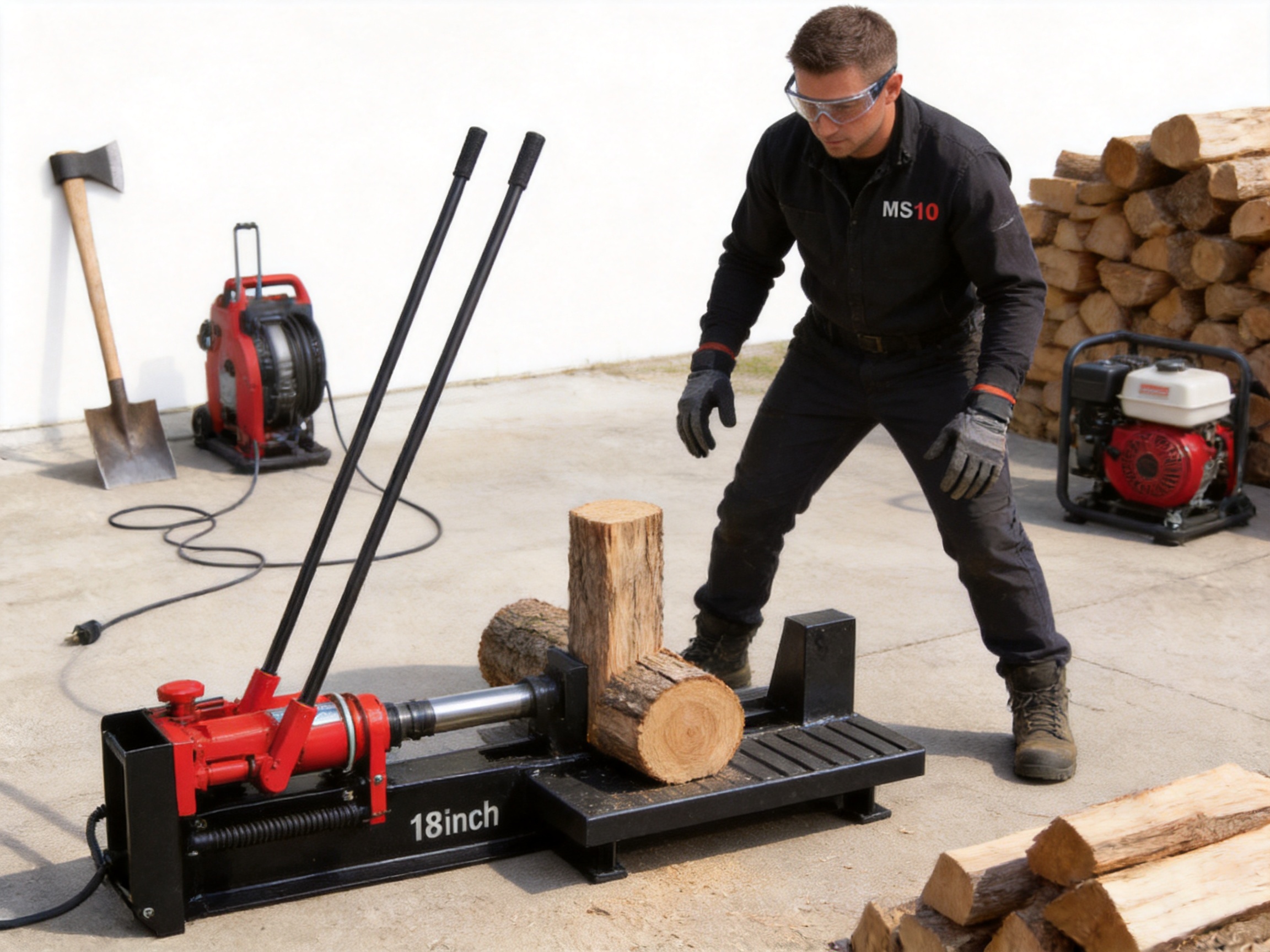
The 10-ton manual log splitter described in this article is designed for users who want a compact, transportable, and straightforward tool for processing firewood. Model MS10 delivers a maximum splitting force of 10 tons, accepts logs up to 18 inches in length, and uses a 7.87-inch, or 200-millimeter, ram stroke. Its listed net and gross weights are 87 and 90 pounds respectively, making it substantially easier to move and position than many powered alternatives. With package dimensions of 44.49 by 10.24 by 11.81 inches, it is also suitable for organized storage, shipment, and distribution.
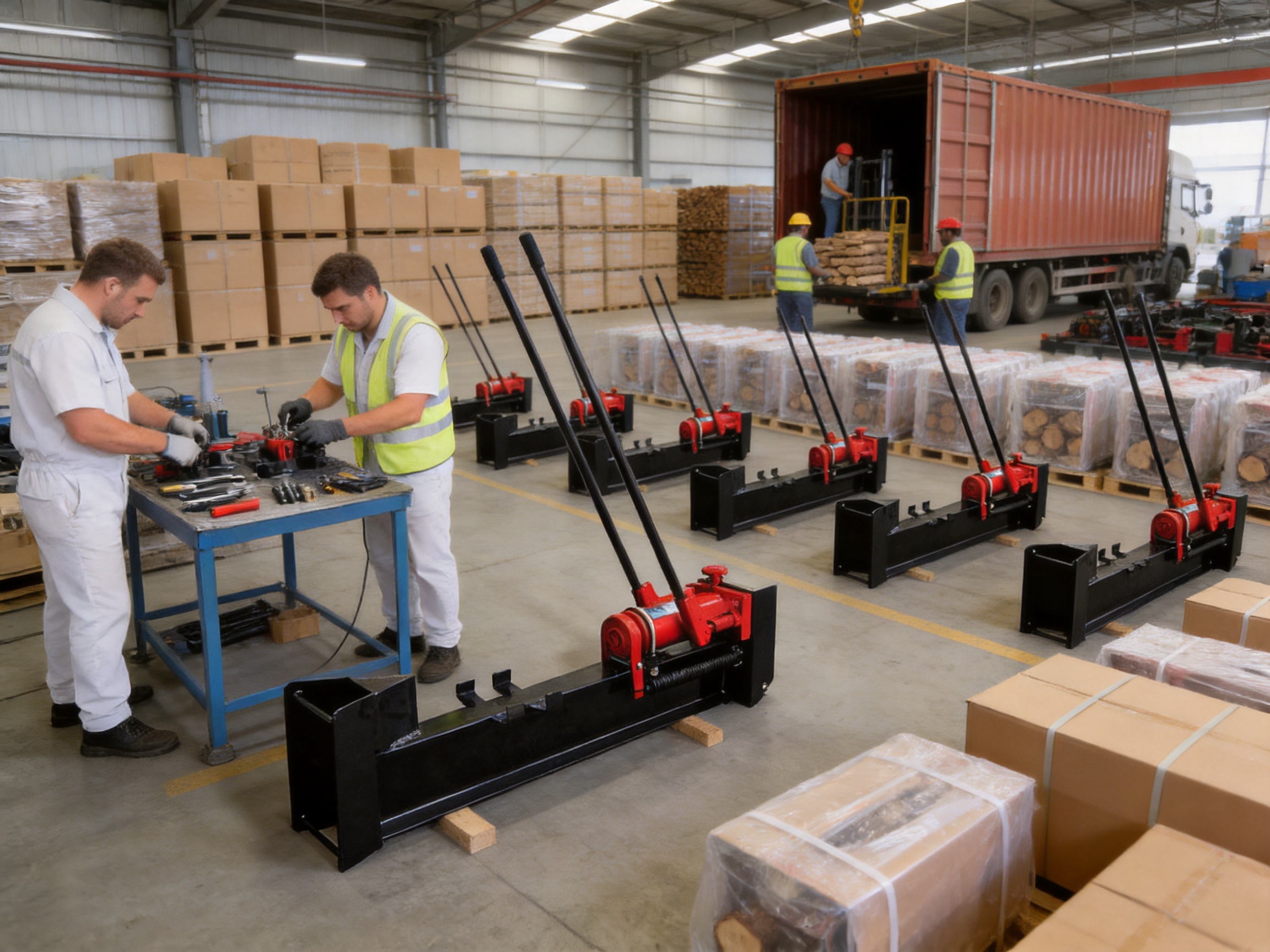
Behind this product is Jiashan Superpower Tools Co., Ltd., a Chinese manufacturer with experience dating back to 1997. The company specializes in log splitters and lawn and garden equipment and operates under an ISO 9001:2015-certified quality management system. Its manufacturing capabilities, product development approach, international market experience, and focus on energy-efficient and environmentally responsible equipment all contribute to the value of the MS10 manual log splitter.
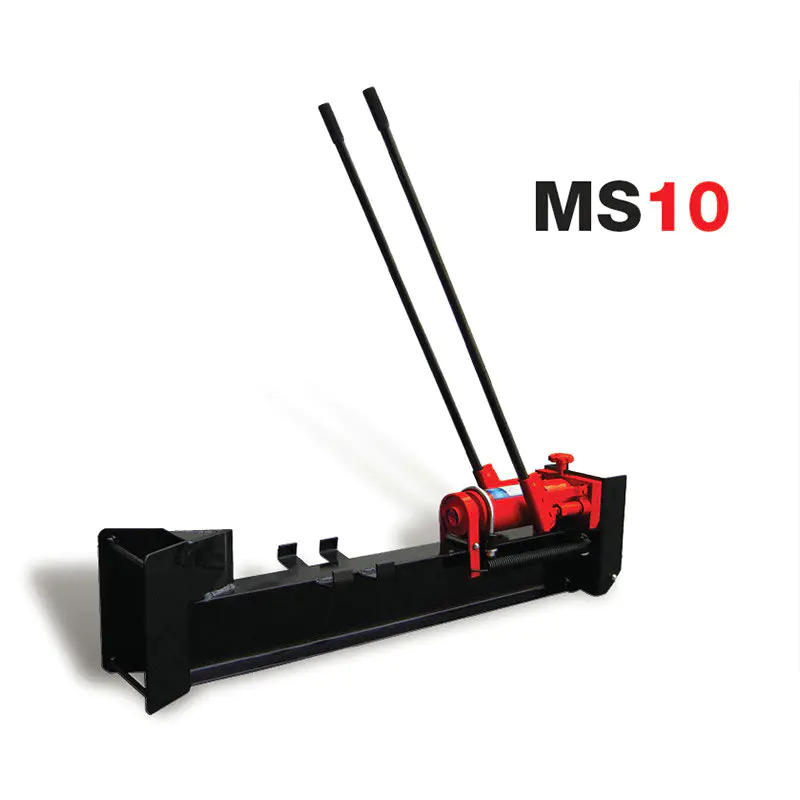
Performance Built 10TON MANUAL Log Splitter MS10
Understanding the Role of a Manual Log Splitter
A log splitter converts mechanical input into controlled splitting force. Instead of relying on a user to generate the full impact required to break apart a log, the machine guides a ram against a fixed wedge or splitting point. In a manual hydraulic model, the operator actuates the mechanism repeatedly, building pressure until the ram advances through the wood. This process is slower than some high-powered commercial machines, but it is controlled, predictable, and suitable for many household and light-duty firewood applications.
The MS10 is specified with a maximum splitting force of 10 tons. This rating identifies the peak force available from the hydraulic mechanism under appropriate operating conditions. Actual performance depends on the species, moisture content, grain structure, knot density, diameter, and position of the log. Straight-grained, properly supported wood is generally easier to split than twisted, heavily knotted, or unusually tough material.
The machine’s maximum log length is 18 inches, or 457 millimeters. This dimension is particularly relevant to homeowners and small property operators who prepare firewood for wood-burning stoves, fireplaces, outdoor fire pits, and compact heating systems. Keeping the intended log length within the specified limit helps ensure that the ram has sufficient travel and that the material is positioned safely on the splitting bed.
The ram stroke is listed as 7.87 inches, or 200 millimeters. Ram stroke refers to the distance the hydraulic ram travels during operation. A stroke of this size is appropriate for a compact manual design and helps maintain a balanced relationship between force, machine dimensions, and operator effort. The product is not intended to compete with large industrial splitters processing massive rounds continuously; rather, it is designed as a practical tool for controlled, small-batch firewood preparation.
Key Specifications at a Glance
| Specification | MS10 Detail | Practical Significance |
|---|---|---|
| Model | MS10 | Identifies the 10-ton manual log splitter configuration |
| Maximum splitting force | 10 tons | Provides substantial mechanical assistance for suitable firewood logs |
| Maximum log length | 18 inches / 457 millimeters | Supports common residential firewood sizes |
| Ram stroke | 7.87 inches / 200 millimeters | Defines the ram’s working travel |
| Listed travel time | About 28 times | Indicates the manufacturer’s stated operating-cycle specification |
| Net weight | 87 pounds / 39.5 kilograms | Helps define portability and handling requirements |
| Gross weight | 90 pounds / 41 kilograms | Relevant for shipping and packaged transport |
| Package dimensions | 44.49 x 10.24 x 11.81 inches / 113 x 26 x 30 centimeters | Supports compact warehousing and organized storage |
| Container quantity | 300 pieces per 20-foot GP container | Shows efficient packing potential for distributors and importers |
The specification table demonstrates that the MS10 balances force and compactness. A 10-ton rating gives the user meaningful mechanical leverage, while the moderate weight and narrow package profile help make transportation and inventory management more convenient. For retailers, wholesalers, and equipment distributors, the stated container quantity also indicates that the product is designed with export logistics and efficient use of shipping space in mind.
Advantages of a 10-Ton Manual Design
No Fuel or Electrical Connection Required
One of the clearest advantages of the MS10 is its independence from gasoline and mains electricity. A gasoline splitter requires fuel storage, engine lubrication, periodic servicing, and attention to exhaust emissions. An electric splitter requires a suitable power source, an extension cord or fixed electrical connection, and consideration of outdoor electrical safety. The manual MS10 avoids these requirements during operation.
This independence makes the product useful in rural locations, woodland areas, seasonal properties, and work sites where electrical outlets are unavailable or fuel transport is inconvenient. It also allows users to split wood during power outages. Because the machine does not use a combustion engine, it does not produce engine exhaust at the work location. Its manual operating principle can also reduce noise compared with engine-powered equipment, which is beneficial in residential neighborhoods and shared outdoor environments.
Mechanical Assistance Without Engine Complexity
Manual operation does not mean that the user must perform all the work alone. The hydraulic system multiplies the force applied through the operating mechanism, allowing the user to split suitable logs with a controlled pumping action rather than repeated axe impacts. This can reduce the shock and impact associated with traditional chopping and may help users maintain a more consistent working rhythm.
Compared with gasoline-powered competitors, a manual splitter has fewer engine-related systems to maintain. There is no carburetor, spark plug, fuel filter, muffler, starter motor, or engine oil change schedule. Compared with electric models, there is no motor, electrical cable, or dependence on voltage compatibility. The simpler operating concept can be especially attractive to homeowners who value ease of ownership and do not need continuous high-volume production.
Useful Force for Residential Firewood
A 10-ton maximum splitting force places the MS10 above basic hand tools in terms of mechanical capability. While no splitter should be judged solely by its tonnage rating, the figure provides a useful indication of the assistance available. For ordinary firewood logs within the specified length range, the machine can provide a practical alternative to axe-only preparation.
The product can be positioned between manual hand tools and larger powered machines. An axe remains inexpensive and highly portable, but it demands more physical impact and skill from the operator. A large hydraulic splitter may process logs more rapidly, but it can cost more, weigh more, and require fuel or electricity. The MS10 offers a compromise for users who want hydraulic assistance without moving to a full-size powered system.
Compact Storage and Transport
At a listed net weight of 87 pounds, the MS10 is not a lightweight hand tool, but it remains substantially more manageable than many heavy commercial log splitters. Its compact package dimensions make it easier to store in a workshop, garage, shed, or warehouse. The narrow packaged width of 10.24 inches also supports more efficient stacking and transport.
Portability is important because firewood is often processed in more than one location. A user may collect logs near a woodland edge, transport them to a home, and split them close to the storage area. A compact manual splitter can be repositioned without the logistics associated with towing a large machine or transporting fuel. Users should still employ appropriate lifting practices and obtain assistance when moving the equipment over long distances or uneven ground.
Design Considerations for Efficient Operation
Log Length and Preparation
The maximum recommended log length is 18 inches. Logs should be cut within this limit before being placed on the splitting bed. Attempting to process material longer than the specified capacity may interfere with ram travel, reduce stability, or create unsafe operating conditions. Proper preparation also includes removing loose branches, inspecting the ends, and ensuring that the piece can sit securely on the support area.
Diameter is not provided in the available specification, so users should evaluate each log according to its actual shape, grain, weight, and stability. A short but heavily knotted log may be more difficult to split than a longer piece with straight grain. Operators should never assume that the maximum force rating guarantees successful splitting of every type of wood. If a log resists normal operation, it should be repositioned or set aside rather than attacked with excessive force.
Controlled Hydraulic Movement
A manual hydraulic splitter depends on gradual pressure buildup. The operator actuates the mechanism repeatedly, allowing the ram to advance in a controlled manner. This is different from the sudden impact of an axe and can make it easier to observe how the wood is responding. When the grain begins to separate, the operator can continue steadily instead of increasing impact energy.
The product information lists travel time as “about 28 times.” Because the supplied specification does not define whether this refers to strokes, cycles, or another operating measurement, buyers and distributors should confirm the exact interpretation with the manufacturer before using the figure in technical comparisons or marketing materials. The specification should nevertheless be retained as part of the official product information until clarification is obtained.
Stable Work Position
Efficient splitting depends on the position of the machine as well as the force of the hydraulic system. The splitter should be placed on a firm, level surface that can support the equipment and the log without rocking. The working area should have adequate clearance so that the operator can access the controls and move split wood away from the machine without stepping over unstable material.
Logs should be centered and supported as directed by the operating instructions. The operator should keep hands away from the wedge, ram, and pinch points. Loose clothing, jewelry, and unsecured hair should be kept away from moving components. Eye protection, work gloves, sturdy footwear, and suitable clothing are recommended for normal outdoor equipment operation.
Comparison with Alternative Splitting Methods
Compared with an Axe or Maul
An axe or maul has the advantage of very low purchase cost and almost unlimited location flexibility. However, it requires repeated impact, proper swing technique, and considerable physical energy. The user must generate enough momentum to drive the blade into the wood, and inaccurate strikes can create safety risks or damage the tool.
The MS10 adds a hydraulic force multiplier. Rather than depending on a single high-energy swing, the user applies repeated manual input through the mechanism. This can make the process more accessible to users who want to reduce impact work while still retaining a non-powered operating principle. The trade-off is that the splitter is heavier and less instantly portable than an axe and may require more time per piece than a high-speed powered machine.
Compared with Electric Splitters
Electric splitters can be convenient when a reliable power source is available. They often provide fast operation and may be well suited to users who split wood close to a house or workshop. Nevertheless, electric models require attention to cable placement, electrical compatibility, moisture exposure, and extension-cord limitations. They cannot be used normally during a power outage unless connected to an appropriate generator.
The MS10 avoids electrical dependence and cable management. It can be used in locations away from buildings and does not require an electrical motor to be protected from outdoor conditions. It may not match an electric model’s production speed, but it can offer a simpler ownership experience for occasional and moderate-volume users.
Compared with Gasoline-Powered Splitters
Gasoline-powered splitters are typically selected for high-volume work, larger logs, or users who prioritize fast cycle times. They may offer greater mobility than electric models, but they also bring engine noise, fuel consumption, exhaust, maintenance, and seasonal storage considerations. They are often heavier and may require towing or a dedicated transport solution.
The manual MS10 is more appropriate when quiet operation, low routine complexity, and independence from fuel are more important than maximum throughput. It can be stored in a smaller space and does not need fuel cans or engine servicing. For occasional firewood preparation, the lower system complexity may outweigh the faster cycle performance of a gasoline competitor.
Compared with Larger Commercial Hydraulic Splitters
Commercial splitters can be built for continuous production and may include higher force ratings, powered hydraulic pumps, log lifts, conveyors, or towable frames. Such equipment is appropriate for professional firewood businesses, forestry contractors, and users who process large quantities every season.
The MS10 is aimed at a different segment. Its 10-ton capacity, 18-inch log-length limit, compact form, and manual operation support household and light-duty applications. Instead of paying for features that may remain unused, a buyer can select a focused tool that addresses the basic requirement of splitting suitable firewood. The best choice depends on volume, log size, available power, storage space, and budget.
Manufacturing Strengths Behind the Product
Long-Term Industry Experience
Jiashan Superpower Tools Co., Ltd. was established in 1997 and has more than two decades of experience in the lawn and garden equipment sector. Long-term participation in this industry can provide valuable knowledge about product durability, seasonal demand, export requirements, packaging, and user expectations in different markets.
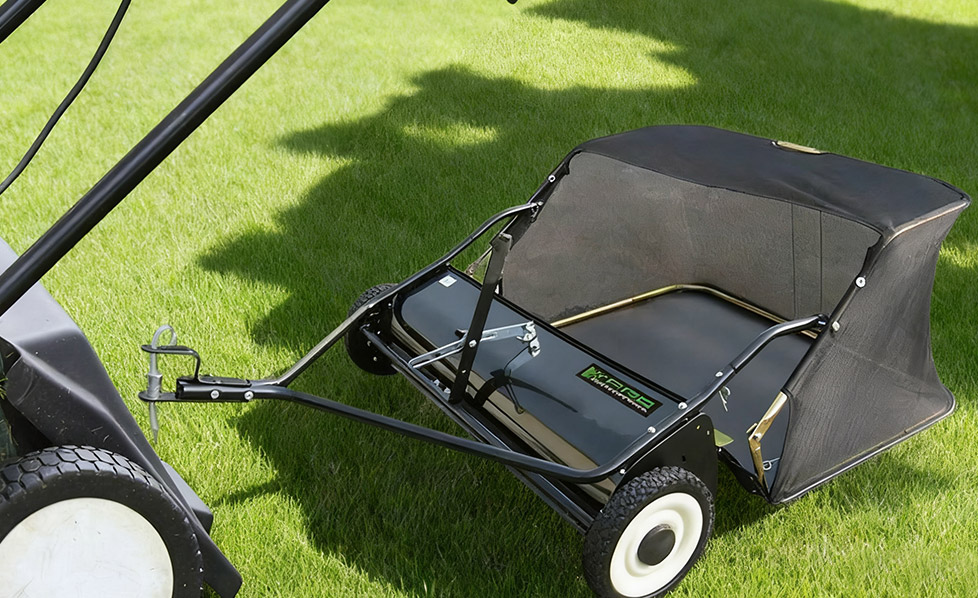
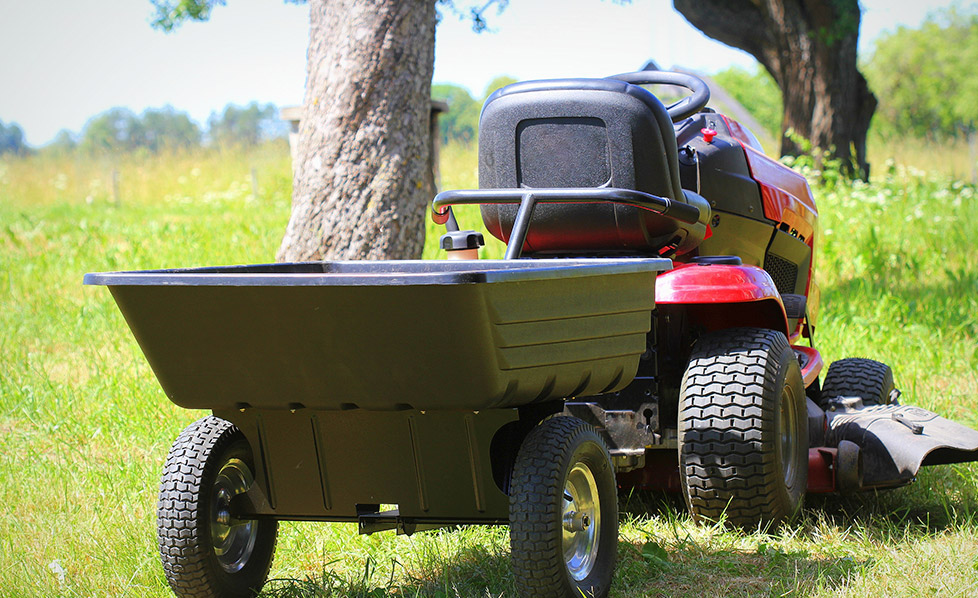
The company specializes in log splitters and a broad range of outdoor equipment, including dump carts, spreaders, lawn sweepers, lawn aerators, and related products. This product focus is significant because the MS10 is not an isolated item outside the company’s core capabilities. It belongs to a wider equipment portfolio serving property maintenance, gardening, landscaping, and outdoor work.
ISO 9001:2015 Quality Management
The company operates under an ISO 9001:2015-certified quality management system. ISO 9001 is associated with structured quality processes, documented procedures, responsibility assignments, corrective action, and continuous improvement. Certification does not mean that every product is automatically free from defects, but it indicates that the organization has established a formal framework for managing quality-related activities.
For distributors and professional buyers, a documented management system can support more consistent communication between product development, purchasing, manufacturing, inspection, packaging, and customer service. It can also provide a foundation for handling nonconformities and improving processes when issues are identified. These systems are particularly important for export manufacturers serving multiple regions and customer groups.
CE-Related Product Capability
Many of the company’s products carry CE certification or CE-related conformity documentation. Buyers should confirm the exact status of the specific MS10 configuration, since conformity requirements can vary by model, market, and product version. Nevertheless, experience with CE requirements demonstrates familiarity with technical documentation, product safety expectations, labeling, and European market procedures.
For international customers, compliance awareness is an important part of supplier evaluation. A manufacturer that understands regional requirements is better positioned to provide appropriate documentation and adapt products for different destinations. Importers should always verify the current certificates, test reports, declarations, manuals, and labeling for the precise product being ordered.
Product Development with Practical Priorities
The company describes its development approach as innovative, energy-efficient, environmentally friendly, and cost-effective. These priorities are reflected in the concept of a manual log splitter. By using human-powered hydraulic operation rather than a fuel engine or electric motor, the MS10 avoids direct fuel consumption and reduces dependence on external energy infrastructure during use.
Cost effectiveness also involves more than the initial purchase price. A machine with fewer power-system components may require less routine maintenance and fewer consumable supplies. Its compact packaging can support efficient transport and storage. For a distributor, the ability to load 300 pieces into a 20-foot general-purpose container can contribute to logistical planning and per-unit freight efficiency, subject to actual packing configuration and shipping conditions.
Quality, Packaging, and Supply Chain Value
Product quality begins with design but continues through component sourcing, assembly, inspection, packaging, and after-sales support. A manual splitter must maintain proper relationships between the frame, hydraulic components, ram, splitting structure, and operator controls. Even a compact machine needs careful assembly because alignment, sealing, and structural stability influence the user experience.
The stated package dimensions of 44.49 by 10.24 by 11.81 inches show that the product is prepared for space-conscious distribution. Packaging must protect the machine from movement, impact, moisture, and surface damage during handling. It must also provide enough information for warehouse staff, retailers, and end users to identify the model and manage the product correctly.
The listed container quantity of 300 pieces per 20-foot GP container is particularly relevant to importers and wholesalers. High packing density can make it easier to plan purchase quantities and compare transportation costs. The final achievable quantity may depend on packaging revisions, pallet use, loading methods, and shipping regulations, so commercial buyers should confirm the current packing plan before placing an order.
International supply capability is another company strength. The manufacturer serves customers in North America, Europe, Australia, Asia, and South America. Working across multiple regions requires attention to language, documentation, packaging standards, product expectations, and delivery coordination. This export experience can be valuable for distributors seeking a supplier capable of supporting long-term business relationships rather than one-time transactions.
Recommended Applications
The MS10 is well suited to homeowners preparing seasonal firewood within the specified 18-inch length limit. It can also serve owners of rural properties, small farms, cabins, workshops, and outdoor recreation sites. Users who process wood occasionally may appreciate the fact that the machine can remain stored for long periods without fuel degradation or engine-starting concerns.
Small landscaping and property-maintenance businesses may use a manual splitter for supplementary work, especially when clearing a limited number of branches or logs. It can be useful when a powered machine is unavailable, when operating noise must be minimized, or when material is located away from a vehicle-accessible work area.
Retailers can position the MS10 as an accessible entry point into hydraulic log splitting. It offers a more capable solution than an axe alone without requiring customers to purchase a large engine-powered machine. The product may appeal to buyers who value quiet operation, simple storage, and reduced dependence on fuel or electricity.
The machine is not intended to replace high-output commercial equipment in every application. Buyers processing large quantities every day should compare expected productivity, log diameter, cycle time, operator workload, and service requirements before selecting a manual unit. Clear application guidance helps prevent unsuitable use and improves customer satisfaction.
Operation and Safety Guidance
Users should read the supplied manual before operating the splitter. The machine should be inspected for visible damage, loose fasteners, hydraulic leakage, and abnormal wear before each use. Any damaged or questionable component should be addressed before operation. Hydraulic systems can retain pressure, so repairs and adjustments should be performed only according to the manufacturer’s instructions and by suitably qualified personnel.
The operating surface should be solid, level, and free from unnecessary obstacles. Logs should be cut to an appropriate length and placed securely. The operator should stand in a balanced position and use the controls deliberately. Hands and feet must remain clear of the splitting zone, ram, wedge, and other pinch points. Bystanders, children, and pets should be kept away from the working area.
Protective equipment should include eye protection and sturdy footwear. Gloves may help protect hands while handling rough wood, but they should not be allowed to approach moving parts. Hearing protection may be considered in accordance with the surrounding work environment, even though a manual splitter generally avoids the engine noise associated with gasoline equipment.
Logs with embedded metal, stones, or other foreign objects should not be processed. The operator should stop if the log shifts, the frame becomes unstable, or the hydraulic action appears abnormal. Forcing a resistant log beyond normal operating conditions can increase the risk of equipment damage or injury. Safe operation depends on respecting the machine’s limits rather than attempting to obtain performance beyond its design purpose.
Maintenance and Ownership Considerations
A manual splitter generally has fewer maintenance demands than an engine-powered model, but it is not maintenance-free. The hydraulic system should be checked for leaks, and the machine should be kept clean and dry when not in use. Moving and contact points should be maintained according to the manufacturer’s recommendations. Fasteners, frame components, and the splitting structure should be inspected periodically.
Hydraulic fluid and seals are important service items. Users should use only the specified fluid and follow the recommended inspection or replacement intervals. Hydraulic leaks should never be handled casually because pressurized fluid can present a serious hazard. Any service procedure involving pressure release, disassembly, or replacement of hydraulic components should follow the official instructions.
Storage should protect the splitter from unnecessary rain, snow, corrosive chemicals, and severe temperature exposure. A covered workshop, garage, or dry shed can help preserve metal surfaces and hydraulic components. The compact dimensions make indoor storage more practical than with many large powered splitters.
Good maintenance supports the main advantages of the product: dependable mechanical assistance, straightforward operation, and long-term usability. While the MS10 does not require engine servicing, regular inspection remains essential for safe performance and for protecting the investment.
Why Manufacturer Selection Matters
Product specifications are important, but supplier capability also affects the success of a purchase. A manufacturer with experience in related outdoor equipment can provide broader technical knowledge, coordinated product support, and a clearer understanding of seasonal sales cycles. Jiashan Superpower Tools Co., Ltd. has developed a portfolio that includes several types of lawn and garden machinery, giving it experience with different mechanical systems and market applications.
Manufacturing location and logistics can also influence lead times, order planning, and communication. The company’s facility is located in the Huimin Economic Development Zone in Jiashan County, Zhejiang Province, between Shanghai and Hangzhou. This location is part of an established manufacturing region and supports access to industrial resources and international transportation networks.
The company’s stated commitment to equality and mutual benefit is relevant to distributors seeking stable cooperation. Long-term equipment programs often require more than a product shipment. They may involve packaging adjustments, spare-parts planning, manuals, private-label discussions, quality feedback, and forecasts for seasonal demand. A manufacturer prepared to collaborate on these matters can provide more value than a supplier focused only on the lowest initial quotation.
Purchasing Guidance for Distributors and End Users
Before ordering the MS10, buyers should identify the intended market and application. Important questions include the typical log length, expected wood species, seasonal volume, available storage space, and the user’s preference for manual or powered operation. The 18-inch maximum log length should be communicated clearly in sales materials so that customers understand the product’s intended range.
Commercial buyers should request current technical documentation for the exact model and configuration. This may include a product manual, packaging details, inspection procedures, conformity documentation where applicable, spare-parts information, warranty terms, and loading plans. If the “about 28 times” travel-time specification is used in product comparisons, its precise meaning should be confirmed before publication.
Retail presentation should explain the product’s practical advantages rather than relying only on the 10-ton figure. Customers may be interested in no fuel, no electrical connection, compact storage, quiet operation, hydraulic assistance, and suitability for residential firewood. Balanced communication should also state the maximum log length and clarify that actual results vary according to wood condition and log structure.
For end users, the most important purchasing decision is matching capacity to workload. A manual model is a strong option for occasional or moderate preparation where portability, independence, and simplicity matter. A larger powered splitter may be more suitable for continuous commercial production. Selecting the right tool prevents frustration and supports safer, more efficient operation.
Frequently Asked Questions
What is the maximum splitting force of the MS10?
The MS10 has a listed maximum splitting force of 10 tons. Actual results depend on the wood species, moisture content, grain, knots, shape, and correct positioning of the log.
What is the longest log the machine can accept?
The maximum listed log length is 18 inches, equivalent to 457 millimeters. Logs should be prepared within this limit before they are placed on the splitter.
Does the splitter require gasoline?
No. The MS10 is a manual hydraulic log splitter and does not require gasoline for operation. This eliminates fuel storage and engine-related maintenance.
Does the splitter require electricity?
No electrical connection is specified for operation. The machine is manually actuated, allowing it to be used in locations without mains power.
How much does the product weigh?
The listed net weight is 87 pounds, or 39.5 kilograms. The listed gross weight is 90 pounds, or 41 kilograms. The gross figure generally includes packaging and is relevant to shipping and handling.
What is the ram stroke?
The ram stroke is listed as 7.87 inches, or 200 millimeters. This is the working travel of the hydraulic ram.
Is the MS10 suitable for commercial firewood production?
It can be useful for supplementary or light-duty commercial work, but it is primarily suited to controlled, small-batch, residential, and property-maintenance applications. Businesses processing large volumes should compare the manual operating method with powered commercial equipment.
What does the listed travel time of about 28 times mean?
The supplied product information states “about 28 times,” but it does not define whether this refers to strokes, cycles, or another measurement. Buyers should request clarification from the manufacturer before using this specification for detailed performance comparisons.
What type of surface should be used?
The splitter should be placed on a firm, level, and stable surface with sufficient clearance around the operating area. Users should follow the official manual for setup and positioning instructions.
What safety equipment is recommended?
Eye protection, sturdy footwear, suitable work clothing, and gloves for handling rough logs are recommended. Hands, feet, clothing, and bystanders must be kept away from moving parts and pinch points.
What quality system does the manufacturer use?
Jiashan Superpower Tools Co., Ltd. operates under an ISO 9001:2015-certified quality management system. Many of its products also carry CE certification or related conformity documentation, although buyers should verify the documentation for the exact MS10 version and destination market.
How many units can fit in a 20-foot general-purpose container?
The listed container quantity is 300 pieces per 20-foot GP container. Actual loading quantities should be confirmed because packaging, pallets, loading methods, and shipment requirements may change.
Where is the manufacturer located?
The company is located at No. 158 Songhai Road, Huimin Town, Jiashan City, Zhejiang Province, China. Its facility is in the Huimin Economic Development Zone between Shanghai and Hangzhou.
What other products does the manufacturer produce?
The company specializes in log splitters and lawn and garden equipment, including dump carts, spreaders, lawn sweepers, lawn aerators, and other outdoor power equipment.
Conclusion
The 10-ton MS10 manual log splitter offers a practical response to the needs of users who want hydraulic assistance without the complexity of gasoline engines or electrical motors. Its 10-ton maximum splitting force, 18-inch log-length capacity, 200-millimeter ram stroke, and compact shipping dimensions create a balanced product for household firewood preparation, rural properties, seasonal maintenance, and light-duty outdoor work.
Its advantages over competing approaches are most apparent in its independence from fuel and electricity, reduced engine-related maintenance, compact storage profile, and suitability for controlled work in locations away from power sources. Although it is not intended to replace high-output commercial splitters, it occupies a valuable position between traditional hand tools and larger powered equipment.
The manufacturer’s established history since 1997, ISO 9001:2015-certified quality management system, experience with CE-related requirements, broad outdoor-equipment portfolio, and international customer base provide additional confidence for distributors and equipment buyers. Its emphasis on innovative, energy-efficient, environmentally friendly, and cost-effective products aligns well with the purpose of a manual hydraulic splitter.
For the best results, users should stay within the specified log length, operate the machine on a stable surface, follow the official safety instructions, and recognize that wood characteristics influence performance. When properly matched to the application, the MS10 can provide dependable mechanical support for firewood preparation while keeping ownership straightforward and operational requirements low.
References
1. Product specification sheet for Model MS10, 10-ton manual log splitter, supplied by the manufacturer.
2. ISO 9001:2015, Quality management systems — Requirements.
3. General occupational safety principles for hydraulic equipment and outdoor power machinery.
4. Manufacturer information concerning company history, product categories, quality management, certifications, and international markets.
5. General equipment-selection guidance for residential, agricultural, landscaping, and small-scale firewood applications.
Product: Performance Built 10TON MANUAL Log Splitter MS10

PREV:Compact Towable Backhoe with 10-Inch Bucket: Capabilities, Manufacturing Strengths, and Practical Applications
NEXT:No next article
NEXT:No next article
Interested in cooperation or have questions?
Related products
-
-
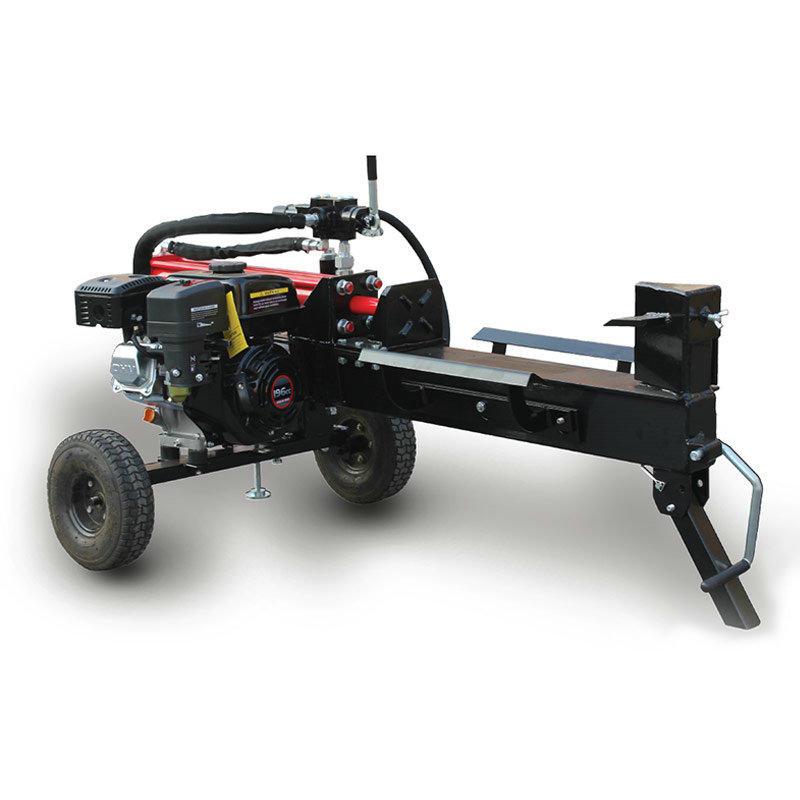
DESCRIPTION Working at horizontal position onlyAuto return hydraulic c...
See Details -
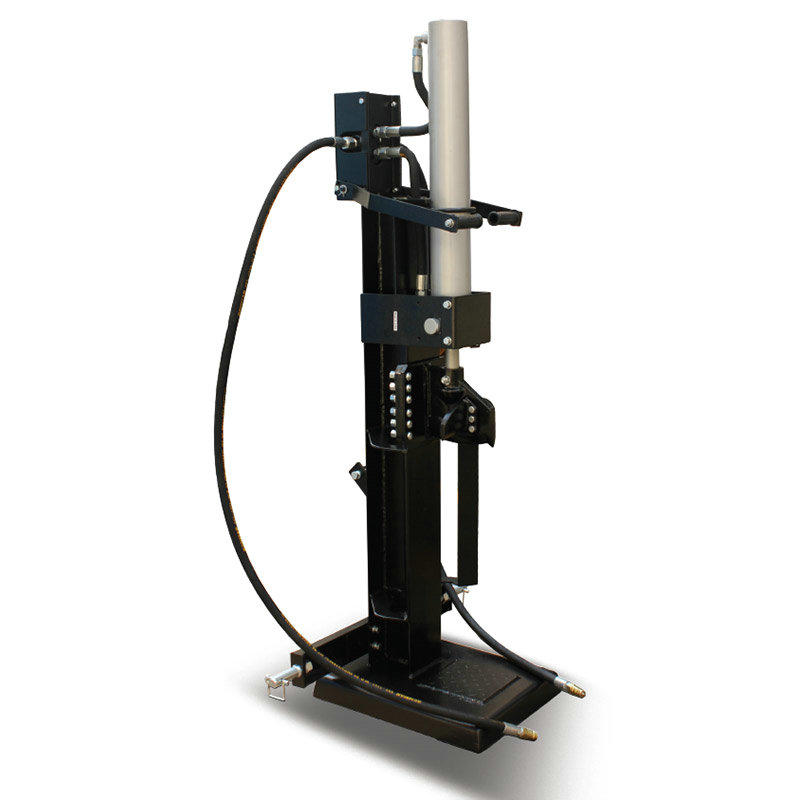
DESCRIPTION Model no.: LSE 14Max. splitting force: 14TonMax. log lengt...
See Details -
DESCRIPTION Accommodates splitting in horizontal only Half beam design...
See Details -
DESCRIPTION 14Ton 3PT log splitter attaches to Category 1 tractor 3-pt...
See Details