 LANGUAGE
 English
 Deutsch
 Español
 Français
 русский

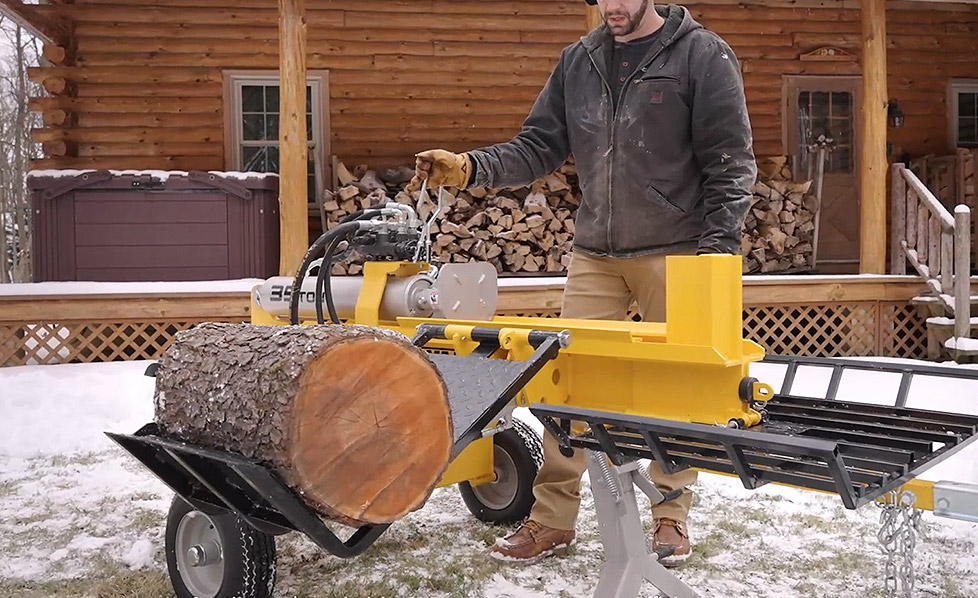
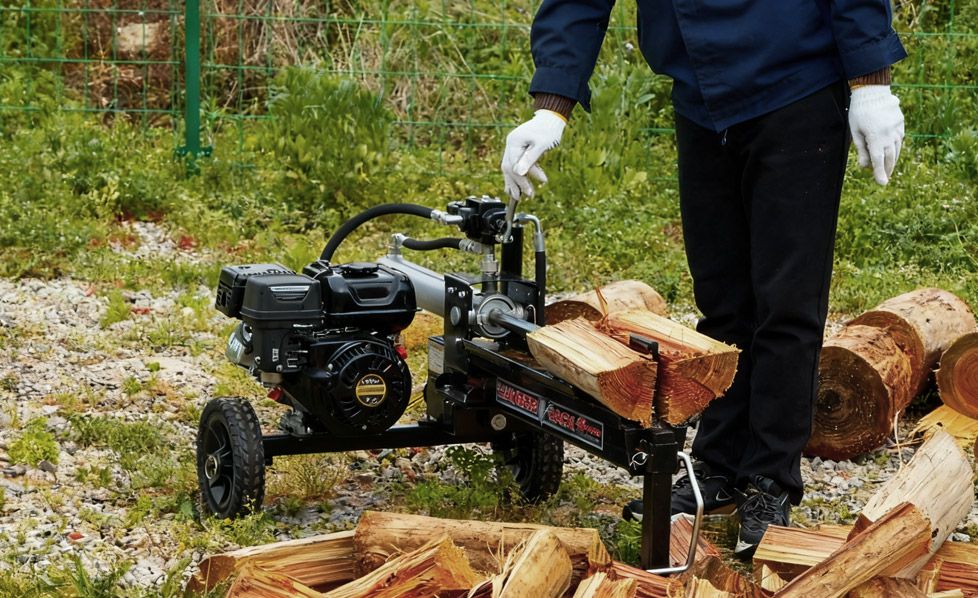


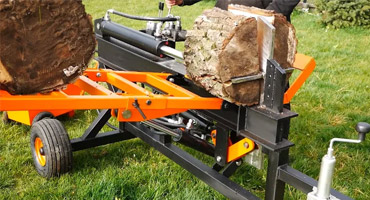

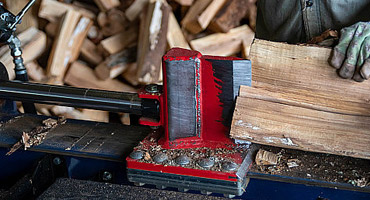





DESCRIPTION Working at horizontal position onlyAuto return hydraulic c...
See Details
Full-Beam Gasoline Log Splitters for Efficient, Safe, and Reliable Wood Processing
Processing firewood by hand can be physically demanding, time-consuming, and inconsistent. A capable hydraulic log splitter turns a difficult seasonal task into a more controlled and productive operation. The LSP2702, LSP3202, and LSP3702 gasoline log splitters are designed for homeowners, landowners, firewood producers, landscaping professionals, and outdoor power equipment distributors that need dependable splitting performance across a wide range of wood types and working conditions.
This full-beam log splitter series combines gasoline-powered hydraulic performance with practical operating features, including horizontal and vertical splitting, an automatic return valve, a built-in log cradle, a log catcher, a heavy-duty ground stand, and a spring-loaded beam lock. Available with maximum splitting forces of 27, 32, and 37 tons, the three models provide different performance levels while maintaining a similar operating concept.
The series is manufactured by Jiashan Superpower Tools Co., Ltd., an established Chinese producer of log splitters and lawn and garden equipment. With a history dating back to 1997, the company has developed experience in product engineering, manufacturing, quality management, and international supply. Its ISO 9001:2015-certified quality management system and CE-certified product offerings support a structured approach to production and export markets.
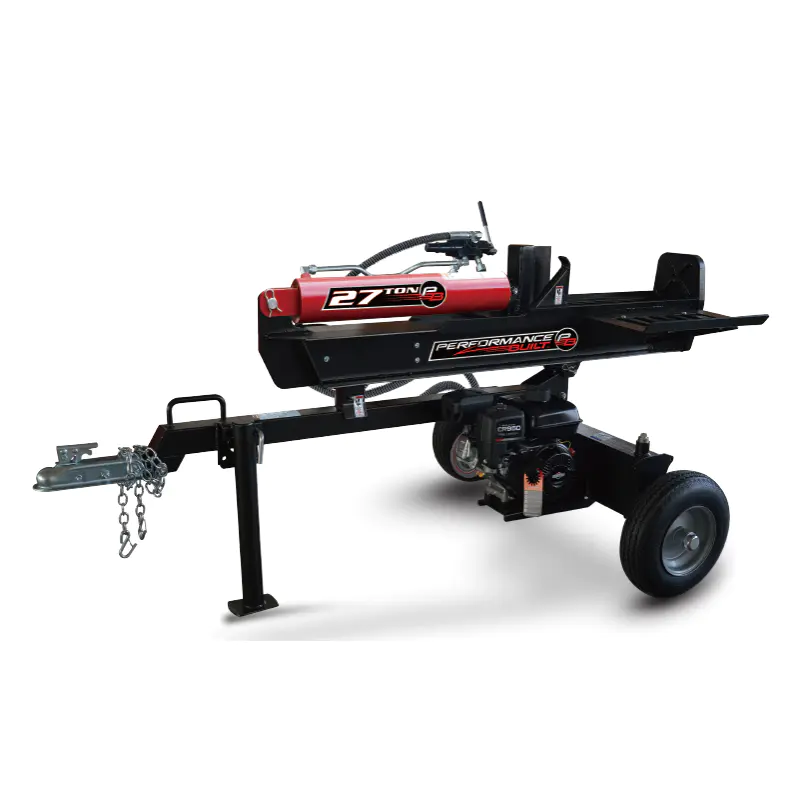
LSP2702/LSP3202/LSP3702
Why a Full-Beam Log Splitter Is Valuable
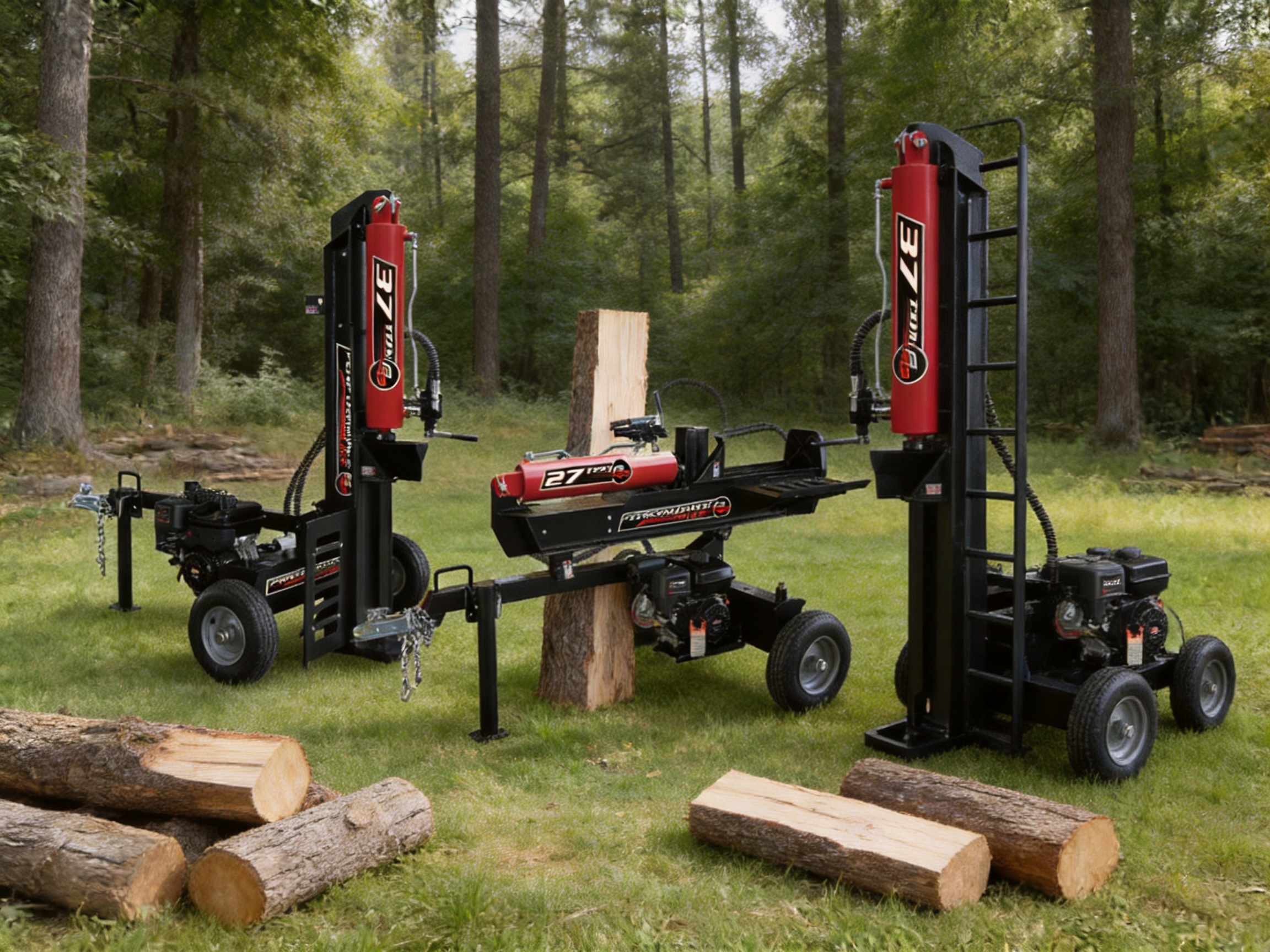
A full-beam log splitter uses a long structural beam to support the hydraulic cylinder, wedge, log cradle, and operating components. This configuration provides a stable foundation for splitting and allows the machine to be operated in both horizontal and vertical positions. The operator can select the most suitable working orientation according to log diameter, weight, terrain, and personal preference.
Horizontal operation is useful when the operator is handling smaller or medium-sized logs that can be lifted onto the beam without excessive effort. In this position, the log can be placed on the cradle and moved toward the splitting wedge in a clear, repeatable manner. The long beam helps maintain alignment between the cylinder, log, and wedge during the splitting cycle.
Vertical operation is especially useful for heavier or larger logs. Instead of lifting a substantial log onto the beam, the operator can roll it into position at ground level. This can reduce manual lifting and make the machine more practical for dense hardwood, large rounds, and long work sessions.
The full-beam design also supports a straightforward layout. Major components are positioned along a clear structural frame, making the machine easy to understand and convenient to prepare for operation. For dealers and end users, this familiar arrangement simplifies product training and helps operators quickly identify the beam lock, hydraulic components, log cradle, wedge, and operating controls.
Three Performance Levels for Different Applications
The LSP2702, LSP3202, and LSP3702 models are designed to serve different levels of wood-processing demand. The LSP2702 provides 27 tons of maximum splitting force and is suitable for general residential, property-maintenance, and seasonal firewood applications. The LSP3202 increases output to 32 tons and is intended for users who regularly process larger, tougher, or more irregular logs. The LSP3702 offers the highest rated force in the series at 37 tons for demanding applications requiring additional hydraulic power.
Although maximum force is an important specification, it is not the only factor that determines practical performance. Pump flow, engine displacement, cylinder size, hydraulic capacity, wedge dimensions, cycle time, operator workflow, and log handling features all influence productivity. The three models are therefore differentiated as complete systems rather than by tonnage alone.
| Specification | LSP2702 | LSP3202 | LSP3702 |
| Maximum splitting force | 27 tons | 32 tons | 37 tons |
| Cycle time | 11.5 seconds | 13.5 seconds | 14 seconds |
| Engine | Briggs & Stratton 208cc | Briggs & Stratton 250cc | Briggs & Stratton 306cc |
| Maximum log length | 25 inches / 635 mm | 25 inches / 635 mm | 25 inches / 635 mm |
| Cylinder | 4-1/8 inches × 24-1/2 inches | 4-1/2 inches × 24-1/2 inches | 5 inches × 24-1/8 inches |
| Pump | 14 GPM, two-stage | 16 GPM, two-stage | 17 GPM, two-stage |
| Hydraulic capacity | 5.55 gallons / 21 liters | 6.87 gallons / 26 liters | 7.13 gallons / 27 liters |
| Wedge | 9-inch hardened steel | 9-inch hardened steel | 10-inch hardened steel |
| Valve | Automatic return | Automatic return | Automatic return |
| Wheels | 16-inch DOT, 4.8-8 | 16-inch DOT, 4.8-8 | 16-inch DOT, 4.8-8 |
The cycle-time figures should be evaluated together with the force and engine specifications. The LSP2702 has the shortest listed cycle time at 11.5 seconds, while the LSP3202 and LSP3702 provide higher splitting forces and larger engines. This gives buyers the ability to select the model that best matches the balance between speed, log difficulty, and required force.
Hydraulic Performance Designed for Real Wood
Hydraulic power is central to log splitter performance. The LSP series uses two-stage pumps in all three models. A two-stage pump can support efficient operation by providing a higher-flow mode when resistance is relatively low and a higher-pressure mode when the wedge encounters tougher sections of wood. This arrangement is widely used in hydraulic log splitters because it balances working speed and force within a single operating system.
The LSP2702 uses a 14 GPM two-stage pump, the LSP3202 uses a 16 GPM pump, and the LSP3702 uses a 17 GPM pump. The increase in pump capacity corresponds with the larger engines and higher maximum splitting forces of the upper models. This provides a more appropriately matched hydraulic package across the range rather than applying one identical system to every model.
The hydraulic reservoirs are also sized according to the model. The LSP2702 has a 5.55-gallon, or 21-liter, hydraulic capacity. The LSP3202 provides 6.87 gallons, or 26 liters, and the LSP3702 provides 7.13 gallons, or 27 liters. Adequate hydraulic capacity is important for supporting system operation and maintaining a practical supply of fluid for the pump and cylinder.
Each model uses an automatic-return valve. After the splitting stroke is completed, the cylinder can return automatically instead of requiring the operator to hold the control continuously through the entire return movement. This reduces repetitive control effort and supports a more consistent splitting rhythm during extended work.
A suction filter is included in the hydraulic system specification for all three models. Filtration helps protect the pump and other hydraulic components from contaminants that could otherwise circulate through the system. Proper fluid selection, regular inspection, and maintenance remain essential, but the inclusion of a suction filter demonstrates attention to hydraulic system protection at the product-design level.
Engine Selection and Independent Operation
The three log splitters are equipped with gasoline engines from Briggs & Stratton. The LSP2702 uses a 208cc engine, the LSP3202 uses a 250cc engine, and the LSP3702 uses a 306cc engine. These engine sizes are matched to the respective pump capacities and splitting-force ratings.
Gasoline power allows the machines to operate independently of a fixed electrical supply. This is particularly useful for rural properties, woodland locations, farms, construction sites, and large yards where an electrical outlet may be unavailable or inconvenient. Operators can position the splitter closer to the woodpile, reducing the need to transport every log over a long distance before processing.
An independent gasoline engine also makes the product suitable for outdoor work in locations where power requirements or cable management could restrict productivity. Users should always operate the engine outdoors or in a properly ventilated area and follow the engine manufacturer’s instructions for fuel, lubrication, starting, shutdown, and routine service.
The engine and hydraulic system work as an integrated package. The LSP2702 is a practical choice where general splitting work and shorter cycle time are priorities. The LSP3202 offers an intermediate level of power for more demanding workloads. The LSP3702 is the strongest option in the series, using the largest engine, the largest cylinder bore, the highest pump flow, and the highest rated splitting force.
Built-In Features That Improve Handling and Safety
Built-In Log Cradle
The built-in log cradle helps support a log before and during splitting. Without an appropriate cradle, a round can shift, roll, or fall away from the beam, creating unnecessary handling effort and potentially increasing risk. The cradle helps keep the workpiece in a more controlled position as the hydraulic cylinder advances it toward the wedge.
For operators processing a large quantity of firewood, this support feature can also make the workflow more repeatable. Logs can be placed in a consistent area, reducing the need to reposition them repeatedly during each cycle. The cradle is particularly valuable when working with uneven rounds that do not sit securely on a flat beam.
Log Catcher Included
The included log catcher helps receive split sections as they leave the wedge. This can reduce the amount of bending, reaching, and repositioning required after every split. It also helps keep processed pieces closer to the machine, making it easier to collect them into a pile, cart, or storage area.
Productivity in firewood processing is influenced by more than the hydraulic stroke. The time spent lifting, catching, moving, and stacking pieces can be substantial. By supporting these handling stages, the log catcher contributes to a more efficient overall work cycle.
Stripper Plates
Stripper plates are included to help separate wood from the wedge during the return movement. Stringy, fibrous, or partially split wood can sometimes remain attached to a wedge. Stripper plates help address this issue and support a cleaner release as the cylinder retracts.
This feature is useful when processing species with long fibers or logs that do not separate immediately after the first stroke. By helping remove material from the wedge, the plates can reduce interruptions and make it easier to prepare the machine for the next log.
Heavy-Duty Ground Stand
The heavy-duty ground stand provides support when the splitter is set up for operation. A stable base is important because the machine must resist movement as the hydraulic cylinder applies substantial force to the log. The stand also contributes to a more comfortable working position and supports the transition between transport and operation.
The correct setup surface remains important. Operators should place the machine on firm, level ground and ensure that the stand and other supports are correctly positioned before splitting. The stand is designed to improve stability, but safe operation still depends on proper site preparation and adherence to operating instructions.
Spring-Loaded Beam Lock
The spring-loaded beam lock helps secure the beam when the machine is configured for transport or when the operating position is being changed. A secure locking mechanism is essential on a full-beam splitter because the beam must remain controlled during movement and setup.
The spring-loaded design supports convenient engagement and release while helping prevent unintended beam movement. Operators should confirm that the lock is fully engaged whenever the beam is being transported or stored and should use the machine only in accordance with the manufacturer’s safety instructions.
Horizontal and Vertical Operation
Offering both horizontal and vertical operation is one of the most practical advantages of this series. A horizontal position can provide an efficient workflow for smaller rounds and repeated splitting from a raised beam. A vertical position allows large logs to remain on the ground, reducing the effort required to lift them.
This flexibility gives the LSP series an advantage over simpler splitters that offer only one operating orientation. Different users and different wood supplies require different handling methods. The ability to change orientation means one machine can adapt to changing log sizes, terrain conditions, and operator preferences.
Comparative Advantages Over Basic or Single-Position Splitters
Product comparisons should be based on verified specifications rather than general marketing claims. Within that framework, the LSP2702, LSP3202, and LSP3702 offer several practical advantages over basic splitters that may have fewer operating features or a narrower performance range.
First, the series provides three distinct force levels. A buyer can choose 27 tons, 32 tons, or 37 tons without moving to an entirely different product concept. This makes the range suitable for varied customer needs, from residential users to more demanding property and commercial applications.
Second, all three models support horizontal and vertical operation. A single-position splitter may require the operator to lift every log onto the beam or may be less convenient when handling heavy rounds. The dual-position design supports more flexible handling and can reduce unnecessary lifting.
Third, the series includes practical wood-management features as standard equipment. The built-in log cradle, log catcher, stripper plates, heavy-duty ground stand, automatic-return valve, and spring-loaded beam lock are integrated into the product specification. Buyers do not have to rely solely on optional accessories to achieve a more complete operating setup.
Fourth, the hydraulic packages are differentiated across the models. Engine displacement, pump flow, cylinder dimensions, hydraulic capacity, and wedge size increase as the rated splitting force rises. This indicates a product family developed around matched configurations rather than a single frame with only a nominal force adjustment.
Fifth, the use of 9-inch hardened-steel wedges on the LSP2702 and LSP3202, and a 10-inch hardened-steel wedge on the LSP3702, supports repeated contact with demanding wood. Wedge durability depends on material quality, design, correct operation, and maintenance, but hardened steel is an appropriate material choice for a high-load splitting component.
Finally, the product range is supported by an experienced manufacturer with a broad outdoor power equipment portfolio. A supplier that produces log splitters alongside dump carts, spreaders, lawn sweepers, lawn aerators, lawn groomers, chipper shredders, post pounders, stump grinders, tie rod cylinders, and PTO shafts can offer buyers a wider equipment relationship than a specialist with only one product type.
Manufacturing Experience and Quality Management
Jiashan Superpower Tools Co., Ltd. was established in 1997 and has more than two decades of experience in manufacturing log splitters and lawn and garden equipment. Long-term operation in the outdoor power equipment sector provides valuable product knowledge, including familiarity with hydraulic assemblies, structural frames, gasoline-powered systems, wheels, controls, packaging, and export requirements.
The company operates under an ISO 9001:2015-certified quality management system. ISO 9001:2015 is focused on organized quality processes, documented procedures, customer requirements, continual improvement, and control of production-related activities. Certification does not replace product-specific inspection or correct operation, but it demonstrates that manufacturing is managed within a recognized quality framework.
A structured quality system can support consistency in areas such as incoming material control, production records, assembly procedures, inspection points, nonconformance management, and corrective actions. For equipment buyers and distributors, this process orientation is important because reliable supply involves more than producing a single acceptable machine. It requires repeatable results across production batches and model variations.
The company also states that many of its products carry CE certification. CE-related conformity supports access to applicable European markets when the product meets the relevant requirements and technical documentation obligations. For international buyers, product compliance, labeling, manuals, packaging, and shipment documentation are important parts of supplier capability.
Engineering Around Complete Systems
The LSP series illustrates a system-based manufacturing approach. The engine, pump, hydraulic reservoir, cylinder, wedge, beam, wheels, valve, stand, lock, and log-support components must work together. Increasing the splitting force requires attention to more than one component. The LSP3202 and LSP3702, for example, use progressively larger engines and pumps along with larger cylinder specifications and greater hydraulic capacity.
This type of product engineering helps maintain an appropriate relationship between power generation, hydraulic pressure, structural support, and operator handling. A log splitter is exposed to shock loads, vibration, uneven logs, outdoor contamination, and repeated duty cycles. Manufacturing competence therefore includes the coordination of multiple systems rather than simply assembling a powerful engine onto a frame.
Material and Structural Considerations
The full-beam configuration, heavy-duty ground stand, spring-loaded beam lock, and hardened-steel wedge reflect the mechanical demands of the application. The frame must support the hydraulic cylinder and resist force during splitting. The wedge must maintain its working shape as it enters the log. The stand must help keep the unit supported on the ground. The locking system must control the beam during setup and movement.
Although detailed material grades, welding procedures, and inspection records should be confirmed with the manufacturer for a specific purchasing program, these components identify the main areas in which manufacturing quality matters. Consistent fabrication, accurate assembly, appropriate fastener installation, hydraulic cleanliness, and functional testing all contribute to a dependable finished machine.
International Production and Distribution Capability
The company’s manufacturing facility is located in the Huimin Economic Development Zone in Jiashan County, Zhejiang Province, between Shanghai and Hangzhou. This location provides access to an established manufacturing region and international logistics infrastructure. The company serves customers in North America, Europe, Australia, Asia, and South America.
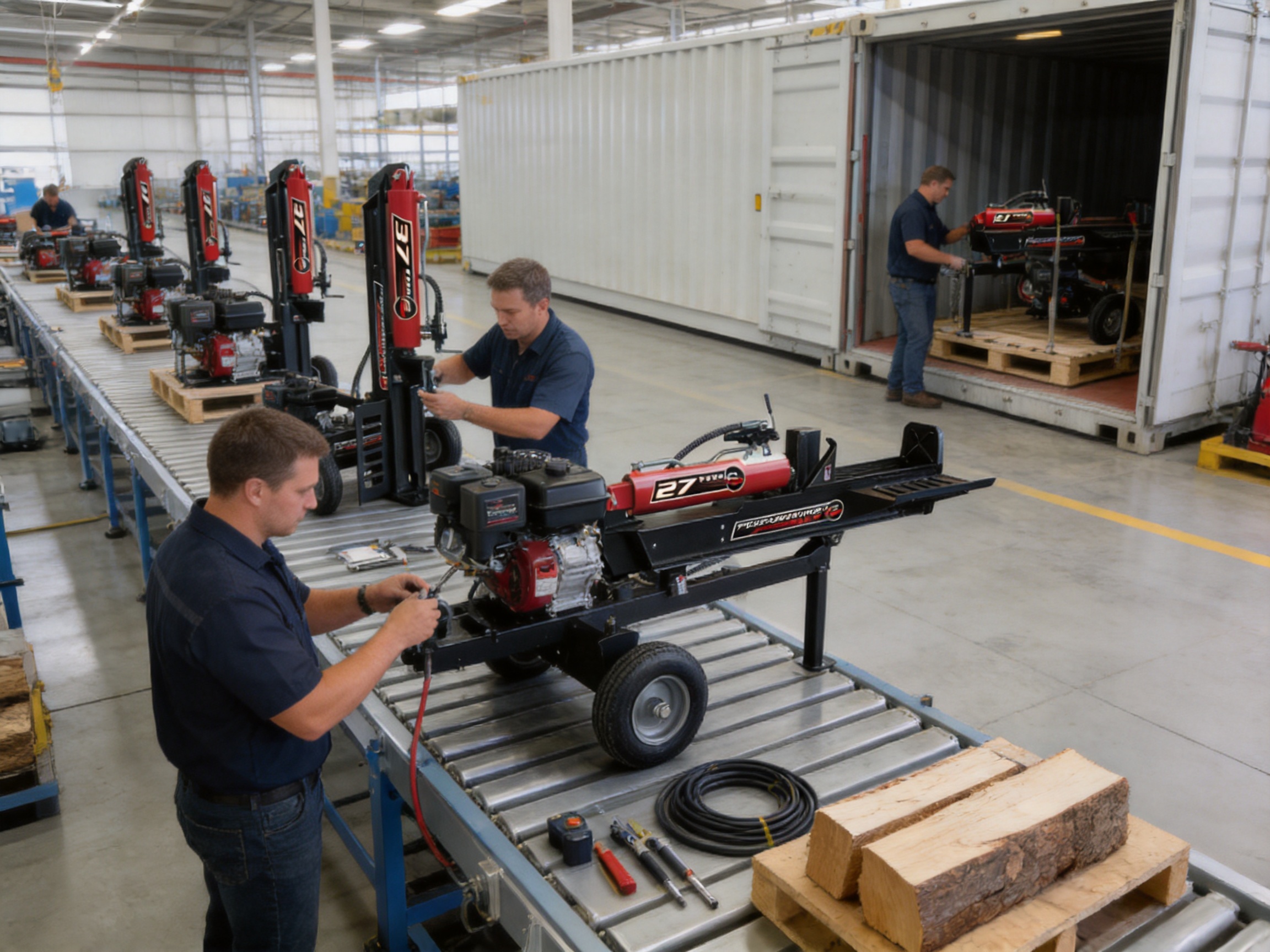
International distribution requires attention to packaging, container loading, product dimensions, manuals, labeling, and coordination with dealers or importers. The LSP series includes stated package dimensions and container quantities for each model, giving purchasing departments useful information for preliminary logistics planning.
| Model | Package dimensions | Container quantity | Net/Gross weight |
| LSP2702 | 82.7 × 22.4 × 24.4 inches; 210 × 56.9 × 62 cm | 80 pieces per 40-foot high-cube container | 408/774 lb; 185/215 kg |
| LSP3202 | 78.1 × 18.1 × 31.5 inches; 198 × 46 × 80 cm | 72 pieces per 40-foot high-cube container | 529/628 lb; 240/285 kg |
| LSP3702 | 74.4 × 20.5 × 32.3 inches; 189 × 52 × 82 cm | 65 pieces per 40-foot high-cube container | 679/774 lb; 308/351 kg |
The weight information should be reviewed carefully with the manufacturer before shipping because packaging configuration, accessories, and regional requirements may affect the final logistics data. Nevertheless, the listed dimensions provide an initial basis for warehouse planning, container utilization, freight estimation, and dealer inventory management.
Choosing the Appropriate Model
When the LSP2702 Is the Right Choice
The LSP2702 provides 27 tons of splitting force, a 208cc engine, a 14 GPM two-stage pump, and a 9-inch hardened-steel wedge. It is appropriate for users who want a strong gasoline-powered splitter for general firewood preparation without selecting the highest-capacity model in the range.
Its listed cycle time of 11.5 seconds is the shortest among the three models. This may appeal to users who value a relatively quick operating rhythm for suitable log sizes and who do not routinely require the additional force of the larger models. The LSP2702 can be a practical choice for homeowners, small property owners, seasonal users, and dealers seeking an accessible full-beam model.
When the LSP3202 Is the Right Choice
The LSP3202 increases the maximum splitting force to 32 tons and uses a 250cc engine, a 16 GPM pump, a 4-1/2-inch cylinder specification, and a 26-liter hydraulic capacity. It occupies the middle position in the series and can suit users who process more challenging wood than a general residential workload but do not need the largest available model.
This model may be attractive to firewood sellers, farms, rural property owners, maintenance contractors, and serious seasonal users. Its combination of power and full-beam handling features provides a balanced option for users who expect regular operation across mixed wood species and log sizes.
When the LSP3702 Is the Right Choice
The LSP3702 is the highest-capacity model in the series. It provides 37 tons of maximum splitting force, a 306cc engine, a 17 GPM two-stage pump, a 5-inch cylinder specification, a 27-liter hydraulic capacity, and a 10-inch hardened-steel wedge.
This model is intended for demanding applications where log hardness, diameter, irregular shape, and workload justify a higher force rating. It can serve professional property-maintenance operations, commercial firewood preparation, farms, estates, and users who prefer additional power for difficult material.
The LSP3702 has a listed cycle time of 14 seconds, which is longer than the LSP2702 figure. Buyers should therefore assess the complete application rather than assume that the highest force model is automatically the fastest choice. When difficult wood and force requirements are the main priority, the LSP3702 offers the strongest specification. When cycle time and moderate-duty work are more important, the LSP2702 may provide a better fit.
Operational Workflow for Better Productivity
A productive splitting process begins with suitable site preparation. The machine should be placed on firm, level ground with sufficient space around the beam, engine, wedge, and log-collection area. The operator should be able to approach the machine without stepping over logs, hoses, tools, or other obstacles.
Logs should be sorted before splitting. Pieces within the maximum specified length of 25 inches, or 635 millimeters, should be separated from oversized material. Logs with excessive knots, embedded objects, unusual bends, or unstable shapes require special attention. Removing soil, stones, and metal from the working area helps protect the wedge and other components.
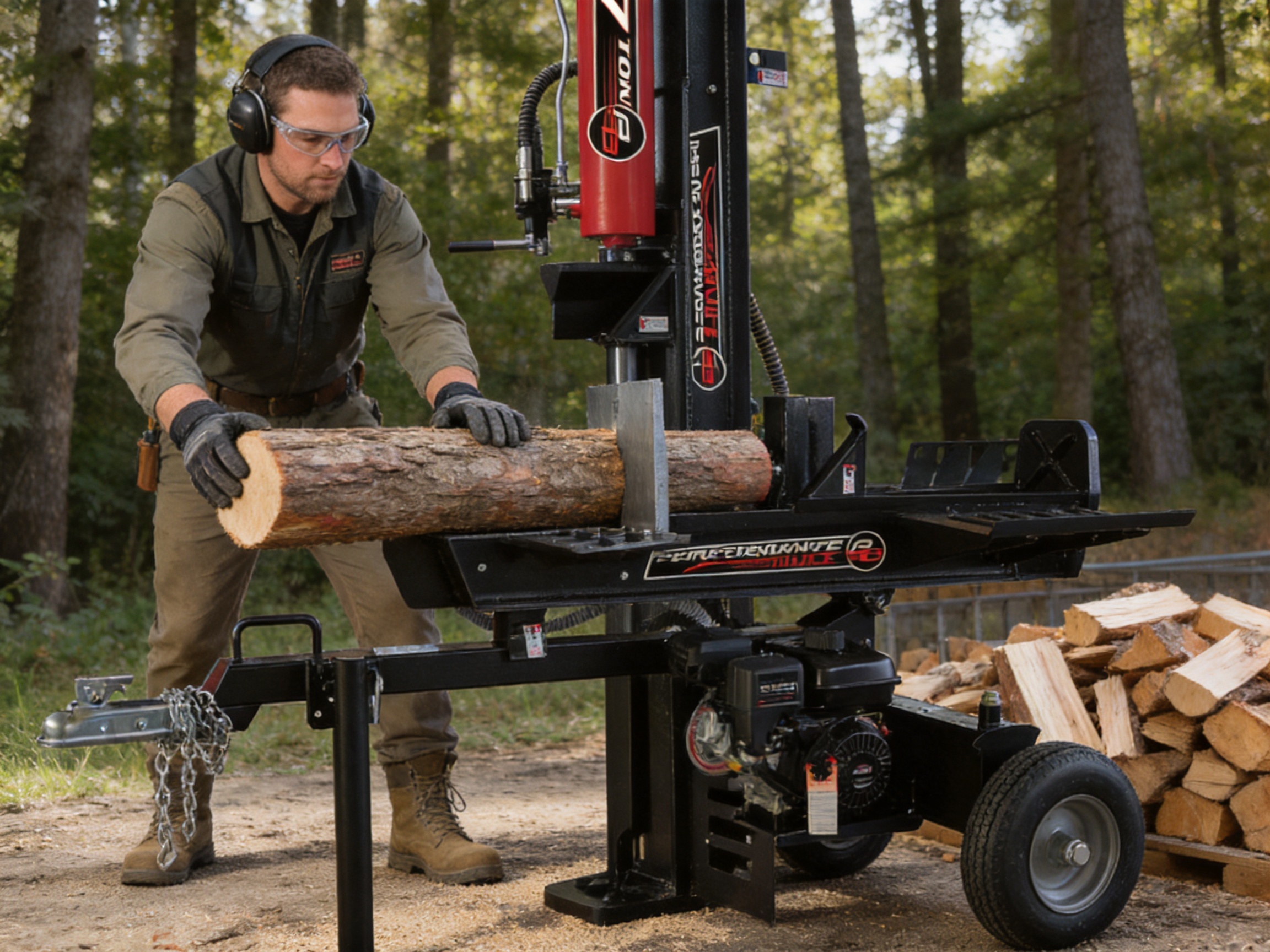
For lighter rounds, horizontal operation can support a repeated loading process. The operator places a log on the cradle, confirms that it is stable, and uses the hydraulic control to advance it toward the wedge. Once split, the log catcher helps receive the sections, which can then be moved to a stack or cart.
For heavier rounds, vertical operation can reduce lifting. The log is rolled into the working position on the ground, and the operator verifies that it is stable before beginning the stroke. This method is particularly helpful when the weight of the log would make horizontal loading uncomfortable or unsafe.
After splitting, the work area should be kept orderly. Split pieces should not be allowed to accumulate around the operator’s feet or obstruct access to the control area. A clear work zone contributes to safer movement and helps maintain a consistent production rhythm.
Safety and Maintenance Considerations
Hydraulic log splitters combine high mechanical force, moving components, hot engine parts, flammable fuel, and sharp or hardened splitting equipment. Operators must read and follow the product manual before use. Appropriate protective equipment may include safety footwear, eye protection, hearing protection, gloves suitable for the task, and clothing that cannot become caught in moving parts.
Hands and feet should remain away from the wedge, cylinder, log, and pinch points. Operators should never attempt to reposition a log while the hydraulic system is moving. The engine should be shut down and the machine secured before clearing a jam, inspecting the wedge, servicing the hydraulic system, or making adjustments.
Before each work session, inspect the beam, stand, wheels, lock, wedge, cylinder, hoses, fittings, fasteners, and control components. Look for hydraulic leaks, loose hardware, damaged hoses, bent structural parts, or unusual wear. A leak under pressure can be dangerous and should never be checked with bare hands.
Maintenance intervals should follow the engine and log splitter manuals. Typical maintenance areas include engine oil, air filtration, fuel quality, hydraulic fluid level, hydraulic filtration, lubrication points, tire condition, fastener tightness, and wedge condition. The suction filter and hydraulic fluid require particular attention because contamination can affect pump and valve performance.
The machine should be stored in a dry, secure location when not in use. Fuel-storage procedures should follow the engine manufacturer’s guidance. The beam should be secured with the appropriate locking mechanism during storage or transport, and the machine should not be moved unless all components are properly secured.
Value for Dealers, Importers, and Equipment Distributors
The LSP series offers a clear product story for dealers: three force levels, gasoline power, full-beam construction, dual operating positions, and a package of standard handling features. This makes it easier to build a product range that addresses multiple customer segments without introducing an unrelated machine design for every application.
The models can be positioned for different levels of demand. The LSP2702 can serve general residential and property-maintenance buyers. The LSP3202 can target more frequent users and mixed workloads. The LSP3702 can address customers who prioritize maximum rated force for demanding wood-processing tasks.
Standard features such as the log cradle, catcher, stripper plates, automatic-return valve, stand, and beam lock can help dealers explain the practical benefits of the machine without relying only on headline tonnage. Customers often value reduced lifting, easier log control, repeatable operation, and convenient cleanup as much as maximum force.
The manufacturer’s broader product range may also support portfolio expansion. Dealers specializing in outdoor power equipment can potentially source complementary products such as lawn sweepers, dump carts, spreaders, chipper shredders, stump grinders, post pounders, and other lawn and garden machinery from the same supplier. Product consolidation can simplify communication, sourcing, and long-term business development.
For importers, the stated package dimensions and container quantities support preliminary purchasing calculations. Final shipping data, export documentation, labeling, and compliance requirements should be confirmed for the destination market before placing an order.
Frequently Asked Questions
What are the main models in this gasoline log splitter series?
The series includes the LSP2702, LSP3202, and LSP3702. Their maximum splitting forces are 27 tons, 32 tons, and 37 tons respectively.
What is the maximum log length?
All three models are specified for a maximum log length of 25 inches, or 635 millimeters. Users should follow the operating manual and consider log diameter, weight, shape, and condition in addition to length.
Can the splitters operate horizontally and vertically?
Yes. Each model supports both horizontal and vertical operation. Horizontal mode is generally convenient for smaller logs, while vertical mode can reduce lifting when handling heavier rounds.
Which model has the greatest splitting force?
The LSP3702 has the highest maximum splitting force at 37 tons. It also uses the largest engine, the highest listed pump flow, the largest cylinder bore specification, and a 10-inch hardened-steel wedge.
Which model has the shortest listed cycle time?
The LSP2702 has the shortest listed cycle time at 11.5 seconds. The LSP3202 is listed at 13.5 seconds, and the LSP3702 is listed at 14 seconds. Actual productivity can vary according to log size, wood species, temperature, operator workflow, and operating conditions.
What type of pump is used?
All three models use two-stage hydraulic pumps. The LSP2702 uses a 14 GPM pump, the LSP3202 uses a 16 GPM pump, and the LSP3702 uses a 17 GPM pump.
What engines are installed?
The LSP2702 uses a Briggs & Stratton 208cc engine, the LSP3202 uses a Briggs & Stratton 250cc engine, and the LSP3702 uses a Briggs & Stratton 306cc engine.
Does the machine include a log catcher?
Yes. A log catcher is included in the product configuration. The machine also includes a built-in log cradle and stripper plates to support log control and release during operation.
What does the automatic-return valve do?
The automatic-return valve helps return the hydraulic cylinder after the splitting stroke without requiring the operator to maintain the control through the entire return movement. This can support a more consistent workflow during repeated splitting.
Are the wedges made from hardened steel?
Yes. The LSP2702 and LSP3202 use 9-inch hardened-steel wedges. The LSP3702 uses a 10-inch hardened-steel wedge.
What quality systems support production?
The manufacturer operates under an ISO 9001:2015-certified quality management system. The company also states that many of its products carry CE certification. Specific conformity documentation should be confirmed for the exact model and destination market.
Who may benefit from these log splitters?
Potential users include homeowners, rural property owners, farms, estates, landscaping professionals, firewood producers, maintenance contractors, and outdoor power equipment dealers. The most suitable model depends on workload, log hardness, handling requirements, desired force, and available storage or transport capacity.
Conclusion
The LSP2702, LSP3202, and LSP3702 provide a versatile full-beam gasoline log splitter range for users who need more than a basic single-position machine. Their main advantages include three force levels, gasoline-powered hydraulic operation, horizontal and vertical working positions, two-stage pumps, automatic cylinder return, built-in log support, a log catcher, stripper plates, a heavy-duty ground stand, and a spring-loaded beam lock.
The series also demonstrates the importance of matching the complete machine system to the intended application. Engine displacement, pump flow, cylinder dimensions, hydraulic capacity, wedge size, cycle time, and structural features are specified together across the three models. This gives buyers a clearer basis for selecting the appropriate machine than relying on maximum tonnage alone.
Behind the product is a manufacturer with experience dating back to 1997, an ISO 9001:2015-certified quality management system, international market experience, and a broad outdoor power equipment portfolio. For users and distributors seeking reliable wood-processing equipment, the series combines practical field features with a manufacturing structure designed to support consistent production and global supply.
References
Jiashan Superpower Tools Co., Ltd. Product specification information for the LSP2702, LSP3202, and LSP3702 gasoline log splitter series.
Jiashan Superpower Tools Co., Ltd. Company profile and manufacturing information, including product range, quality management, certification, and international market coverage.
ISO 9001:2015. Quality management systems requirements and principles for consistent production and continual improvement.
General hydraulic equipment maintenance guidance concerning fluid cleanliness, filtration, inspection, and safe servicing procedures.
General gasoline engine operating guidance concerning ventilation, fuel handling, lubrication, inspection, and scheduled maintenance.
Product: LSP2702/LSP3202/LSP3702
PREV:1500 lb Steel Dump Cart: Capacity, Durability, and Practical Performance for Outdoor Work
NEXT:CP6502 Chipper Shredder: Compact Power for Efficient Yard Waste Management
NEXT:CP6502 Chipper Shredder: Compact Power for Efficient Yard Waste Management
Interested in cooperation or have questions?
Related products
-
-
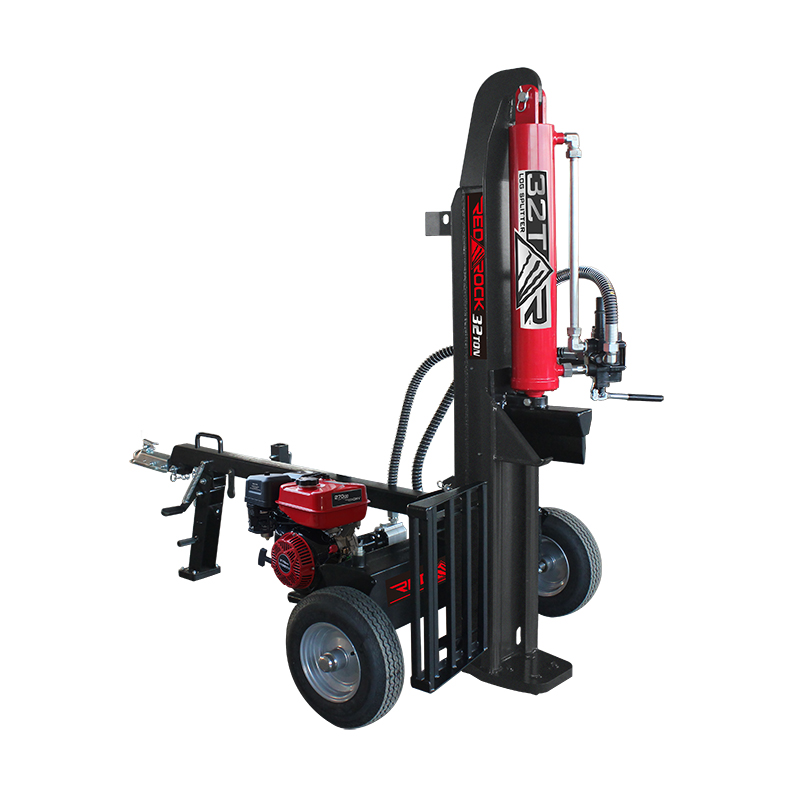
If you regularly split wood, the 32ton log splitter will save you tim...
See Details -
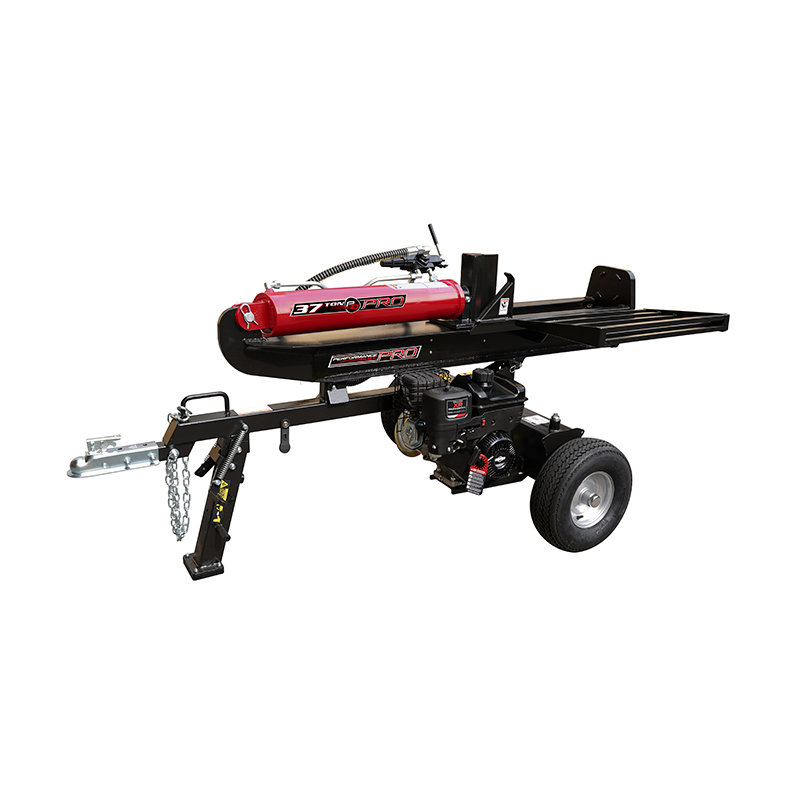
Vertical or horizontal operating position lets you work most efficien...
See Details -
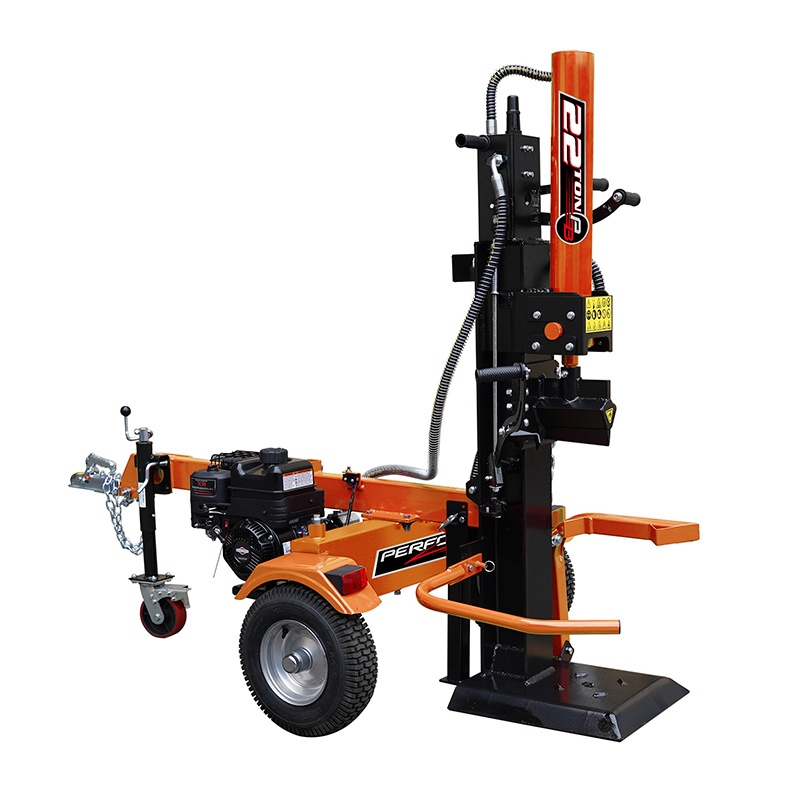
Vertical operation position onlyHardened steel wedge24"/61cm split len...
See Details