
 LANGUAGE
 English
 Deutsch
 Español
 Français
 русский










◆MODEL NO.: SP31405 ◆STRONG SQUARE TUBE FRAME, 1"(25MM) HIGH CARBON ST...
See Details
100 lb Aerator Spreader: A Practical Tow-Behind Solution for Efficient Lawn Care
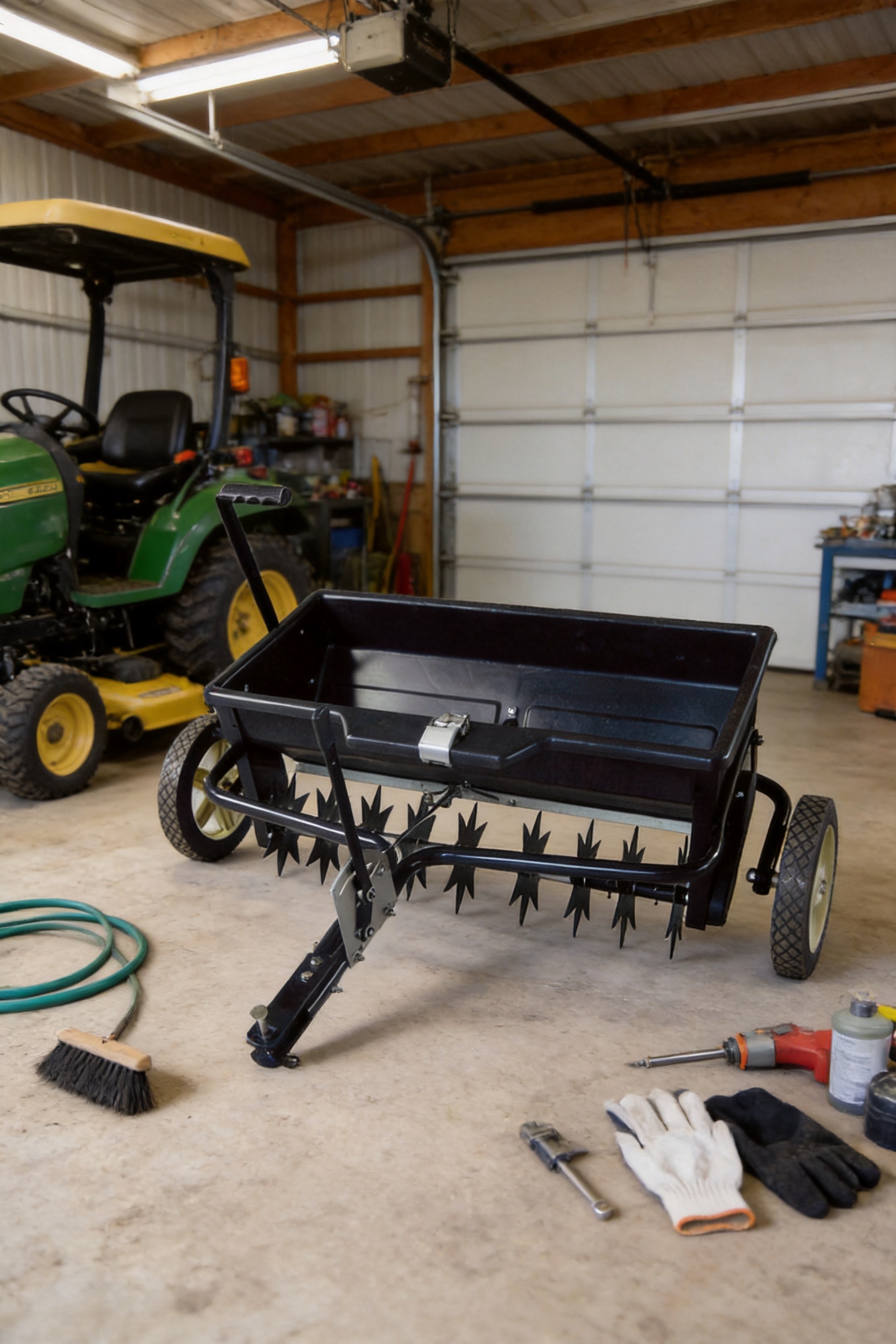
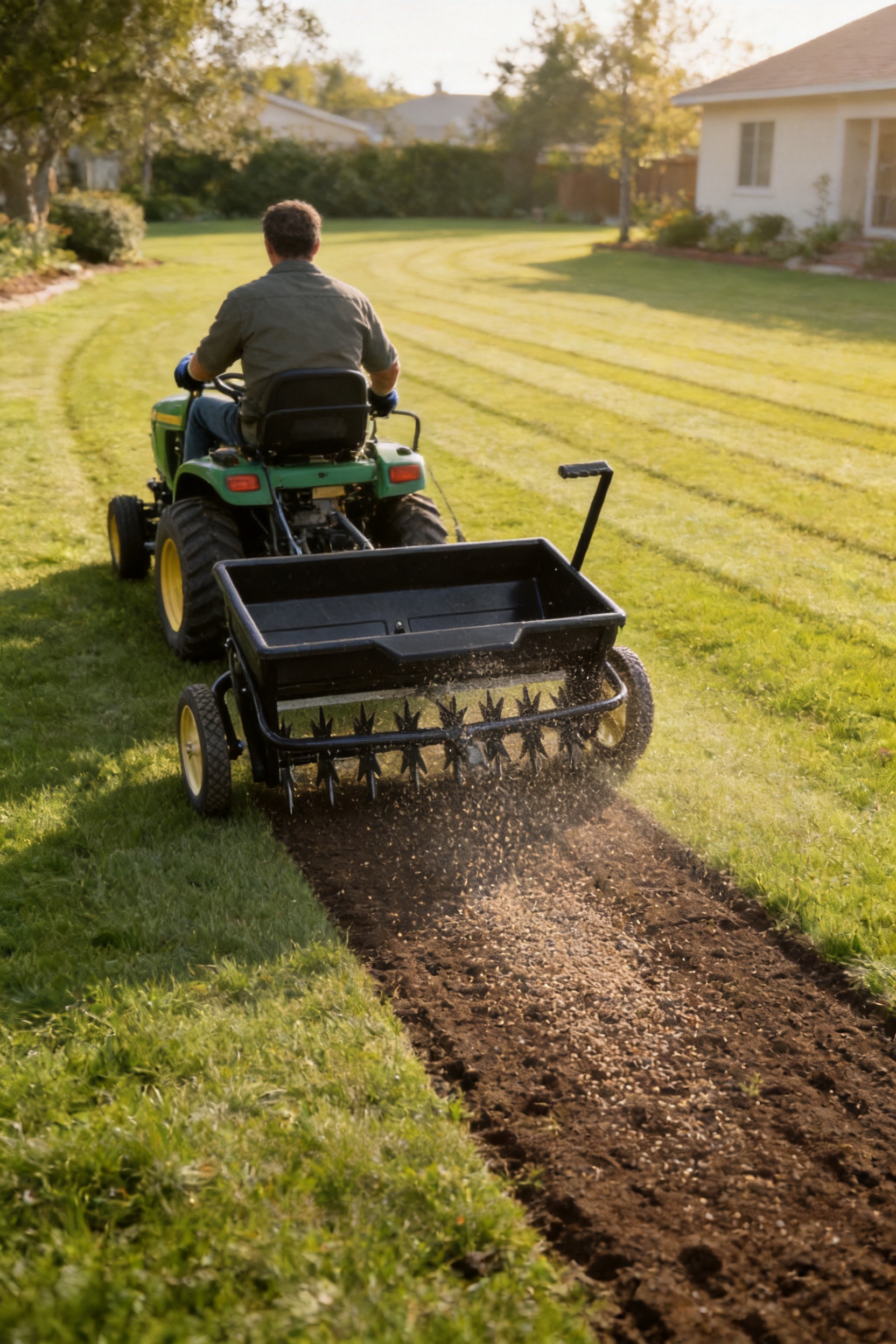
Maintaining a healthy lawn or large landscaped area requires more than regular mowing. Fertilizer, grass seed, soil amendments, and other granular materials must be distributed evenly, while compacted soil must be opened so that air, water, and nutrients can reach the root zone. Performing these tasks separately can require several machines, repeated setup, and considerable labor. The 100 lb. Aerator Spreader SP31509 addresses both needs in one tow-behind unit by combining a broadcast spreader with a spike aerator.
Designed for use with lawn and garden tractors and all-terrain vehicles, the SP31509 provides a practical solution for homeowners, landscapers, property managers, agricultural users, and grounds maintenance teams. Its 100-pound capacity, 32-inch spread width, 17,500-square-foot stated coverage, and nine seven-inch-diameter spike wheels make it suitable for treating lawns, recreational areas, estates, roadside grass, and other maintained outdoor spaces.
The product is built around a rust-proof poly hopper, a rust-resistant powder-coated frame, an adjustable flow-control lever with a stop feature, rubber tires, and a dedicated aerating assembly. These features help simplify routine lawn work while improving durability and user control. Instead of purchasing, storing, and connecting a separate spreader and aerator, users can complete two important lawn-care operations with one compact tow-behind machine.
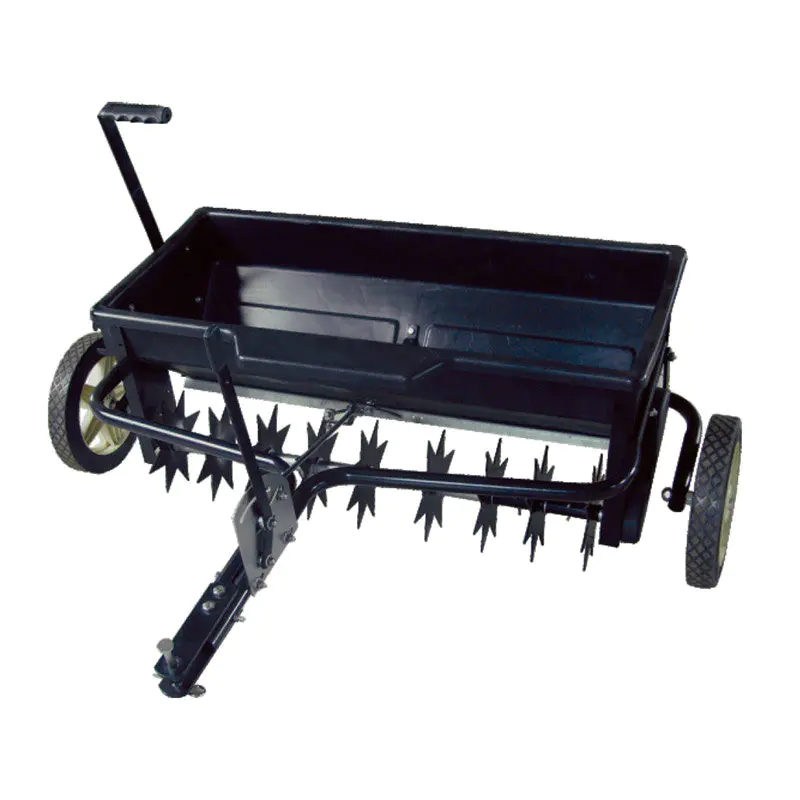
100lb. Aerator Spreader SP31509
Why Combine Spreading and Aerating?
Spreading and aerating are different lawn-care operations, but they are often needed during the same seasonal maintenance program. A spreader distributes granular fertilizer, seed, lime, or soil amendments. An aerator creates openings in the soil surface, reducing compaction and supporting the movement of air, water, and nutrients. Combining these functions can make a maintenance schedule more efficient.
Soil compaction commonly develops in areas that receive frequent foot traffic, vehicle traffic, recreational use, or repeated mowing. Compacted soil can restrict root growth and reduce the rate at which rainfall or irrigation enters the ground. Even when fertilizer is applied correctly, plants may not receive its full benefit if water and nutrients cannot move effectively through the soil profile.
The spike wheels on the SP31509 are intended to penetrate the upper surface as the unit is towed. Their action creates repeated openings across the treatment path. At the same time, the hopper can release a controlled amount of granular material. This combination means the operator can aerate and fertilize or seed in one pass, depending on the selected material and operating conditions.
A combined implement can be particularly valuable for users who maintain medium-sized lawns or multiple properties. Separate equipment may involve two storage locations, two hitching procedures, two cleaning routines, and two trips over the same area. The aerator spreader reduces that duplication. It also makes it easier to plan a consistent application route, especially when the same tractor or ATV is used for towing.
Product Overview
The SP31509 is a tow-behind aerator spreader with a rated capacity of 100 pounds or 43.5 liters. The capacity allows the operator to cover a substantial area before refilling, although the actual load will vary according to the density and particle size of the material being used. Fertilizer, grass seed, and other products do not all weigh the same volume, so the maximum practical fill should always be determined from the product label and the machine’s safe operating requirements.
The spreader provides a stated spread width of 32 inches and a stated coverage of 17,500 square feet. Coverage is influenced by the flow setting, material characteristics, walking or towing speed, overlap between passes, terrain, and weather. The published figure is therefore a useful planning reference rather than a guarantee for every application.
The aerating system consists of nine spike wheels, each measuring seven inches in diameter. These wheels are arranged to contact the soil as the unit moves forward. The implement also uses 10-inch rubber tires to support movement over the lawn and provide a stable rolling base during operation.
The frame receives a rust-resistant powder-coat finish, while the hopper is made from rust-proof poly material. Together, these components address two common concerns in outdoor equipment: exposure to moisture and the need for straightforward cleaning after use. Poly construction also avoids the corrosion problems that can occur when fertilizer residue remains on an unprotected metal surface.
| Specification | Product Detail | Practical Significance |
| Model | SP31509 | Identifies the aerator spreader configuration |
| Rated capacity | 100 lb / 43.5 L | Reduces the frequency of refilling during larger jobs |
| Spread width | 32 inches | Provides a broad treatment path for efficient coverage |
| Stated coverage | 17,500 square feet | Useful for estimating material requirements and work time |
| Transport wheels | 10-inch rubber tires | Support towing and movement across maintained ground |
| Spike assembly | Nine spike wheels, 7-inch diameter | Creates repeated soil openings during travel |
| Flow control | Adjustable lever with stop feature | Helps regulate application and pause discharge |
| Hopper material | Rust-proof poly | Helps resist corrosion caused by moisture and material residue |
| Frame finish | Rust-resistant powder coating | Provides a durable protective surface for outdoor use |
| Recommended towing equipment | Lawn and garden tractors or ATVs | Allows use with commonly available utility vehicles |
| Net weight | 39.65 lb / 18 kg | Supports manageable handling before loading |
| Gross weight | 46.7 lb / 21.2 kg | Important for shipping, logistics, and warehouse planning |
Key Advantage: One Implement for Two Lawn-Care Tasks
The most significant advantage of the SP31509 is its combination of spreading and aerating functions. A conventional broadcast spreader is designed primarily to distribute material. A separate spike aerator is designed to open the soil. The SP31509 integrates both functions into a single tow-behind platform, allowing the operator to complete a coordinated treatment without changing implements.
This integrated design can reduce equipment costs for users who would otherwise need to purchase two machines. It can also reduce storage requirements. A single unit is easier to organize in a shed, garage, equipment room, or service trailer than multiple seasonal implements. For commercial operators, the combined design may also leave more room for other tools, replacement parts, and consumable materials.
Time savings are another important benefit. Hitching one machine, filling one hopper, checking one flow-control system, and following one application route can be simpler than performing separate operations. Where the lawn condition and material requirements are appropriate, a single pass can reduce the time spent driving over the same ground.
The combination is especially useful during lawn renovation. A user may apply grass seed or granular amendments while creating small openings in the surface. This does not replace every form of professional core aeration or soil preparation, but it provides a convenient approach for routine maintenance and light-to-moderate surface treatment.
Rust-Proof Poly Hopper for Outdoor Durability
The hopper is one of the most exposed parts of any fertilizer or seed spreader. It regularly contacts granular products, dust, moisture, and residues. The SP31509 uses a rust-proof poly hopper to address this demanding environment. Unlike untreated steel, poly does not rust when exposed to water or fertilizer residue.
The poly hopper is also practical for routine cleaning. After an application, the user can empty remaining material and rinse the hopper according to the care instructions for the equipment and the material used. Removing residue promptly helps prevent buildup around the outlet, flow-control mechanism, and internal surfaces.
Poly construction contributes to a lower-maintenance ownership experience. It avoids the need to repair small rust spots that can spread across a metal hopper. It also helps preserve the appearance of the implement during repeated seasonal use. For distributors and fleet operators, a rust-resistant hopper can reduce the risk of premature cosmetic deterioration while equipment is stored or transported.
Although the hopper is rust-proof, proper maintenance remains important. The machine should not be stored with fertilizer, seed, or wet debris inside. Moisture should be removed after cleaning, and the flow-control area should be checked before the next operation. Rust resistance is a valuable material advantage, but good storage and cleaning practices still contribute to reliable performance.
Powder-Coated Frame and Corrosion Protection
The frame is protected with a rust-resistant powder-coat finish. Powder coating is widely used in outdoor equipment because it creates a durable surface layer over prepared metal. Compared with a basic painted finish, a well-applied powder coating can provide strong resistance to ordinary abrasion, moisture, and handling during normal service.
The finish is particularly useful for a tow-behind implement. The frame may encounter grass clippings, soil particles, water, fertilizer dust, and occasional contact with storage or transport equipment. A protective coating helps reduce direct exposure of the underlying metal to these conditions.
Surface protection begins before the coating is applied. A professional manufacturing process typically includes metal preparation, cleaning, fixture placement, powder application, and controlled curing. These steps influence adhesion, coverage, and the consistency of the final finish. Proper preparation is essential because contaminants on the metal can weaken coating performance.
For users, the practical benefit is a frame that is better suited to repeated outdoor service. Scratches should still be inspected and repaired when necessary, especially if bare metal becomes visible. However, the powder-coated structure provides a strong foundation for long-term use when combined with appropriate cleaning, storage, and handling.
Adjustable Flow Control for More Consistent Application
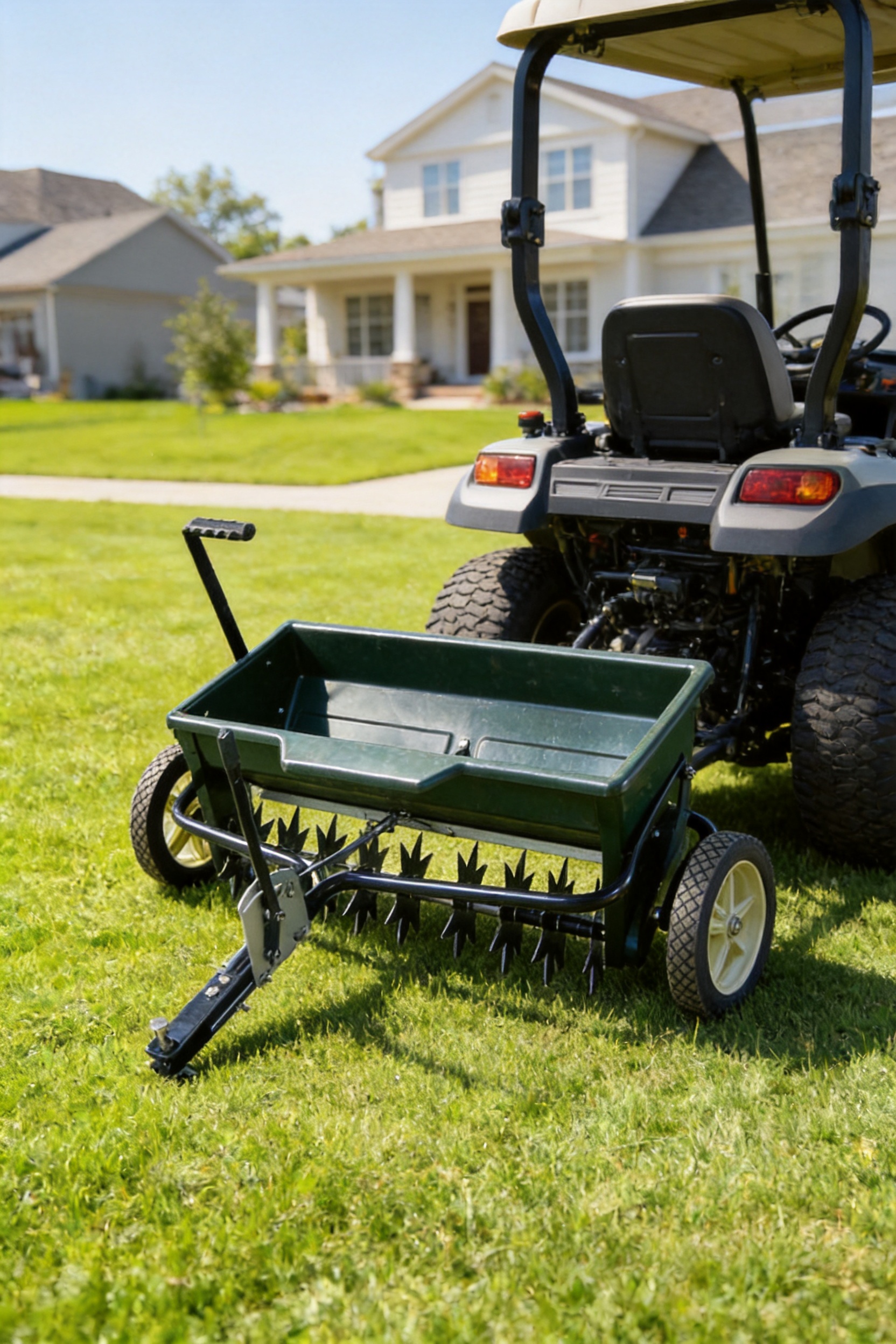
Material application is most effective when the discharge rate is matched to the product and the required coverage. The SP31509 includes an adjustable flow-control lever, allowing the operator to regulate the opening through which material leaves the hopper. This is important because fertilizer granules, grass seed, and other products differ in density, shape, size, and flow characteristics.
A setting that works for one fertilizer may not be appropriate for another. Likewise, seed can flow differently from granular lime or soil amendments. The operator should use the product manufacturer’s recommended application rate as the starting point, then calibrate the spreader over a measured test area. Calibration helps avoid over-application, under-application, waste, and uneven results.
The flow-control lever includes a stop feature. This allows the operator to interrupt the discharge when reaching the end of a pass, turning at a headland, crossing a driveway, or temporarily stopping the operation. The stop function is useful because it reduces unnecessary material release and helps protect non-target areas such as paths, patios, gardens, drainage channels, and water features.
Effective use of the control requires coordination between lever position, towing speed, and route spacing. A slower towing speed may result in more material being applied to a particular area if the flow setting is not adjusted. A faster speed may reduce the application rate per square foot. Consistent speed and overlapping passes are therefore important for uniform coverage.
Users should avoid relying only on visual judgment. Granules can be difficult to see on a lawn, and uneven application may not become apparent until plant growth responds. A measured calibration test provides a more reliable basis for setting the flow-control lever.
Coverage and Work Efficiency
The stated coverage of 17,500 square feet gives the SP31509 a useful operating range for substantial residential lawns, shared green spaces, small recreational areas, and routine commercial grounds care. Coverage depends on how much material is loaded, the application rate, and how efficiently the user follows the planned route.
The 32-inch spread width helps reduce the number of passes required compared with a narrow hand-held spreader. A wider effective path can be especially beneficial on open lawns, where long, parallel passes are easy to plan. It also reduces the amount of time the towing vehicle spends repeatedly crossing the same area.
Route planning can improve both productivity and application quality. The operator should identify the boundaries of the treatment area, remove obstacles, and determine where to begin and end each pass. Turning areas should be selected in advance so that the flow-control lever can be stopped before the vehicle leaves the target surface.
For large rectangular areas, a back-and-forth pattern is generally straightforward. For irregular lawns, the operator may divide the property into smaller sections and treat each section separately. This can make it easier to estimate material use and maintain consistent overlap. Narrow strips, corners, and areas near landscaping may require a reduced flow setting or a different application method.
The published coverage figure should be considered an estimate based on representative operating conditions. Dense products may use the hopper capacity quickly, while lighter products may occupy more volume without reaching the full weight rating. Weather can also affect work efficiency. Damp material may bridge in the hopper or flow inconsistently, while strong wind may carry lightweight particles away from the intended path.
Nine Spike Wheels for Surface Aeration
The aerating assembly uses nine spike wheels with a seven-inch diameter. As the unit travels, the spikes contact the soil and create openings in the surface. This process can help relieve shallow surface compaction and create pathways for water, air, and nutrients.
Spike aeration is well suited to routine lawn maintenance where the soil surface needs additional openings but a more aggressive core-aeration operation is not required. It is also useful for users who want to combine light aeration with spreading in one pass. The actual penetration and effectiveness will depend on soil moisture, soil type, turf condition, towing speed, and the amount of downward force applied by the implement.
Very dry soil may be too hard for effective spike penetration, while excessively wet soil may smear or compact rather than open cleanly. Moderate soil moisture is often more favorable. Operators should assess the ground before beginning and avoid working when conditions could damage the turf or create deep wheel tracks.
The nine-wheel configuration distributes the aerating action across the implement’s working width. It allows the unit to treat a broad path while being towed behind a lawn tractor or ATV. Repeated passes may be useful in areas with greater compaction, but operators should avoid excessive traffic that could stress the turf or disturb the soil structure.
Spike aeration should be viewed as one part of a broader lawn-care program. It may support water infiltration and nutrient access, but it does not correct every soil problem. Severe compaction, poor drainage, thatch accumulation, or damaged turf may require additional measures such as core aeration, topdressing, reseeding, drainage improvement, or soil testing.
Compatibility with Lawn Tractors and ATVs
The SP31509 is designed to work with lawn and garden tractors and ATVs. This compatibility expands its usefulness because many property owners and maintenance professionals already have one of these vehicles available. The user can connect the implement, load the hopper, set the flow control, and begin a planned treatment route without purchasing a dedicated power unit.
A lawn and garden tractor may be convenient for residential lawns, estates, parks, and maintained grounds. An ATV can be useful on larger properties, mixed terrain, orchards, access roads, and areas where a compact utility vehicle is preferred. The appropriate towing vehicle depends on terrain, slope, load, ground conditions, and the vehicle manufacturer’s towing guidance.
Before operation, the hitch connection should be checked carefully. The pin or attachment hardware must be properly secured, and the implement should remain aligned behind the towing vehicle. The operator should verify that the loaded spreader does not exceed the safe towing capacity of the vehicle or the limitations of the hitch system.
Turning radius should also be considered. Tight turns can place additional stress on the hitch and may cause the spike wheels or tires to track differently from the towing vehicle. Slow, controlled turns are preferable, especially when the hopper is full or the ground is uneven.
Safety practices include keeping people and animals away from the operating area, wearing suitable protective equipment when handling fertilizer or other chemical products, and following the instructions on the material label. The equipment should be stopped before clearing blockages or inspecting moving components.
Manufacturing Strengths Behind the Product
The product is manufactured by Jiashan Superpower Tools Co., Ltd., a Chinese producer of log splitters and lawn and garden equipment. The company was established in 1997 and has more than two decades of experience in the outdoor equipment industry. Its product range includes spreaders, dump carts, lawn sweepers, lawn aerators, and other outdoor power equipment.
This specialization is relevant to the SP31509 because manufacturing expertise in lawn and garden equipment involves more than assembling individual parts. It requires an understanding of towing stability, outdoor corrosion exposure, material flow, attachment systems, wheel support, and the practical needs of property maintenance users.
The company operates a manufacturing facility in the Huimin Economic Development Zone of Jiashan County, Zhejiang Province, in a location between Shanghai and Hangzhou. The facility supports production for customers in North America, Europe, Australia, Asia, and South America. An international customer base can encourage attention to differing market expectations, packaging requirements, product documentation, and certification needs.
The company operates under an ISO 9001:2015-certified quality management system. ISO-based quality management emphasizes controlled procedures, documented processes, responsibility assignment, corrective action, and ongoing improvement. For a product such as an aerator spreader, these principles can support more consistent incoming-material inspection, assembly control, process monitoring, and final product evaluation.
Many of the company’s products carry CE certification. Certification requirements vary by product and market, so buyers should confirm the documentation applicable to the particular model and destination. Nevertheless, the company’s attention to recognized compliance systems indicates an established approach to international manufacturing and product evaluation.
The company also focuses on innovative, energy-efficient, environmentally friendly, and cost-effective equipment. For a tow-behind aerator spreader, efficiency is expressed through the combined design, reduced need for separate machines, large hopper capacity, and adjustable material control. These features can help users complete routine work with fewer equipment changes and less duplicated travel.
How the SP31509 Compares with Separate or Basic Alternatives
Product comparisons should consider the entire ownership experience rather than a single specification. A basic hand-held spreader may cost less initially, but it requires the operator to carry the material and walk every pass. It may also provide a smaller hopper and a narrower working path. The SP31509 is better suited to users who already have a towing vehicle and need to maintain larger areas with less manual carrying.
A conventional tow-behind spreader may distribute fertilizer effectively but does not provide an integrated aerating function. Users who want to aerate would need a separate attachment or another machine. The SP31509 offers a more versatile configuration by combining both operations in one implement.
A dedicated heavy-duty core aerator may penetrate more deeply under certain conditions, particularly when removing soil plugs is the primary goal. However, it may not provide spreading capability. The SP31509 is not intended to replace every specialized aeration machine. Its advantage is convenience, multipurpose operation, and the ability to perform light surface aeration while distributing material.
Metal-hopper spreaders can offer rigidity, but unprotected metal may be vulnerable to corrosion when fertilizer residue and moisture remain on the surface. The SP31509’s poly hopper provides a rust-proof alternative, while its powder-coated frame adds another layer of protection to the supporting structure.
Some basic spreaders use a simple on-and-off gate without a dedicated stop feature. The adjustable lever and stop function on the SP31509 give the operator more control over starting, stopping, and calibrating the material flow. This can be especially valuable near property boundaries and non-target surfaces.
Compared with a fully motorized lawn-care machine, the SP31509 has a simpler operating concept. It uses the towing vehicle for movement rather than requiring its own engine. This can reduce mechanical complexity, fuel requirements, and engine maintenance at the implement level. The trade-off is that the user must already have a suitable tractor or ATV and must match towing speed to the job.
Recommended Operating Method
Before use, inspect the hopper, frame, tires, spike wheels, hitch, flow-control lever, and fasteners. Confirm that the implement is correctly assembled and that no component has been damaged during transportation or storage. The tires should be properly inflated according to the applicable product instructions, and the spike wheels should rotate freely.
Read the label of the fertilizer, seed, or other granular material. Identify the recommended application rate, handling precautions, storage requirements, and any restrictions related to weather, water, pets, children, or recently seeded turf. The spreader should not be used for a material unless that material is suitable for the equipment.
Calibrate the flow control over a measured test area. Begin with a conservative setting, collect or measure the discharged material, and compare the result with the desired rate. Make small adjustments rather than opening the control fully without testing. Calibration should be repeated when changing products because granule size, density, and shape affect flow.
Fill the hopper on level ground and avoid exceeding the rated capacity. Distribute the load evenly rather than placing excessive weight on one side. If material has absorbed moisture or formed lumps, it should be evaluated before loading because clumps may obstruct the outlet and produce uneven application.
Start the towing vehicle at a steady, moderate speed. Open the flow control after entering the treatment area and close it before stopping or turning outside the target zone. Maintain consistent pass spacing and use an appropriate overlap based on the spread pattern and material instructions.
After completing the job, empty the hopper completely. Clean residue from the hopper, outlet, lever, frame, wheels, and spike assembly. If water is used, allow the unit to dry thoroughly before storage. Inspect for loose fasteners, damage, or material buildup, and correct any issue before the next use.
Maintenance and Storage Considerations
Regular maintenance helps preserve the operating characteristics of the SP31509. The hopper should be kept free from hardened fertilizer and seed residue. The flow-control mechanism should move smoothly and close fully. If the lever does not return to the intended position, the outlet should be inspected before the unit is used again.
The rubber tires should be checked for cuts, excessive wear, and correct inflation. Tires that are underinflated may increase rolling resistance and change the position of the implement. Tires that are overinflated may reduce stability or be more vulnerable to impact damage. Follow the manufacturer’s recommendations for tire pressure and replacement.
The spike wheels should be inspected for bent, damaged, or obstructed components. Soil can collect around the aerating assembly, particularly when the ground is damp. Removing buildup after each use helps maintain balanced rotation and consistent contact with the soil.
The powder-coated frame should be washed or wiped as necessary and inspected for scratches. If the coating is damaged and bare metal is exposed, appropriate touch-up protection may help reduce corrosion. The poly hopper should also be checked for cracks or distortion, even though it is designed to resist rust.
Store the aerator spreader in a dry, sheltered location. Keeping it off wet ground can reduce unnecessary exposure to moisture. The hopper should remain empty, and the implement should be positioned so that the wheels and spike assembly are not subjected to avoidable loads. Seasonal storage is a good time to inspect all hardware and prepare replacement parts if needed.
Applications for Different Users
Homeowners with medium or large lawns can use the SP31509 for seasonal fertilizing, overseeding, light surface aeration, and general turf improvement. The tow-behind format reduces the physical effort associated with carrying a full hopper and walking behind a spreader. It is particularly practical for users who already own a lawn tractor.
Landscaping contractors may value the unit as a versatile attachment for recurring maintenance work. A single implement can support several service tasks, and the 100-pound capacity can reduce interruptions during property visits. Contractors should calibrate the machine for each material and property rather than applying one universal setting.
Property managers can use the unit for lawns around residential communities, offices, schools, hospitality properties, and recreational facilities. The adjustable flow control and stop feature can help operators work around walkways, planting beds, parking areas, and other boundaries.
Owners of rural properties, small farms, orchards, and estates may use the spreader for grassed lanes, open areas, pasture edges, and landscaped surroundings. An ATV can provide useful mobility where a conventional lawn tractor is not the preferred towing vehicle, subject to safe towing conditions and terrain limitations.
Municipal or institutional grounds teams may appreciate the reduced equipment footprint. A combined machine can be easier to assign, transport, and store than separate seasonal attachments. It can also help standardize routine lawn-care procedures among different operators.
Limitations and Responsible Use
No single implement is ideal for every soil, lawn, or application. The SP31509 is a spike aerator spreader, not a powered core aerator. Its spikes open the surface as the machine is towed, but they do not necessarily remove soil cores. Users seeking deep relief from severe compaction should evaluate whether a dedicated core aerator is more appropriate.
The spreader’s performance depends on material condition. Damp or clumped products may not flow evenly. Very lightweight materials may be affected by wind. Large particles may require a different setting from fine particles. Calibration and careful observation are necessary for responsible use.
The rated 100-pound capacity should not be interpreted as a universal recommendation for every terrain or towing vehicle. A full load adds substantial weight, and slopes, soft soil, wet grass, and rough ground can change towing behavior. Operators should use the capacity within the limits of the vehicle, hitch, terrain, and equipment instructions.
Application near water requires special care. Fertilizer and soil amendments should not be allowed to enter ponds, streams, drainage systems, or other sensitive areas. The stop feature can help limit unintended discharge, but route planning and operator attention remain essential.
Frequently Asked Questions
What is the SP31509 designed to do?
The SP31509 is a tow-behind machine that combines a granular spreader with a spike aerator. It is designed to distribute suitable lawn-care materials while creating surface openings in the soil during towing.
What is the hopper capacity?
The listed capacity is 100 pounds or 43.5 liters. The practical amount of material loaded will depend on product density, particle size, moisture content, and the safe operating limits of the towing vehicle.
How wide is the spreading path?
The stated spread width is 32 inches. Actual distribution can vary according to the material, flow setting, towing speed, wind, and overlap between passes.
How much area can it cover?
The listed coverage is 17,500 square feet. This figure should be treated as a planning estimate because application rate and material characteristics affect how much area one hopper load can cover.
What towing vehicles are suitable?
The unit is designed to work with lawn and garden tractors and ATVs. The towing vehicle must have a compatible hitch and sufficient capacity for the implement and its loaded weight. Users should follow the vehicle and equipment safety instructions.
What is the purpose of the flow-control stop feature?
The stop feature allows the operator to interrupt material discharge during turns, stops, transport across non-target areas, or movement between treatment sections. It can help reduce waste and prevent unwanted application.
Can the machine spread fertilizer and seed?
It is intended for suitable granular materials, which may include fertilizer or grass seed when the product is compatible with the spreader. Each material should be calibrated separately because density, granule size, and flow behavior differ.
Does the aerator remove soil plugs?
The product uses nine spike wheels with seven-inch diameters. It creates openings in the soil surface through spike action. It should not be assumed to perform the same function as a dedicated core or plug aerator.
Why is the poly hopper beneficial?
The poly hopper is rust-proof, making it better suited to exposure to moisture and fertilizer residue than untreated steel. It also supports straightforward cleaning and can help reduce corrosion-related maintenance.
What protects the frame?
The frame has a rust-resistant powder-coat finish. This finish provides a protective surface for normal outdoor service, although scratches and exposed areas should still be inspected and maintained.
How should the spreader be calibrated?
Use a measured test area and begin with a conservative flow setting. Measure the discharged material, compare it with the required application rate, and adjust gradually. Repeat calibration whenever the material or operating conditions change.
Can it be used on wet ground?
Ground conditions should be assessed before operation. Excessively wet soil can smear, rut, or compact under the towing vehicle and implement. Moderate moisture may support better spike penetration, but users should avoid damaging the turf or soil structure.
How should it be cleaned after use?
Empty the hopper, remove material residue from the outlet and flow-control area, clean the frame and wheels, and allow all parts to dry thoroughly. The unit should be stored empty and protected from unnecessary moisture.
Who manufactures the product?
The SP31509 is manufactured by Jiashan Superpower Tools Co., Ltd., a Chinese company specializing in log splitters, spreaders, dump carts, lawn sweepers, lawn aerators, and other outdoor power equipment.
What quality systems support the manufacturer?
The manufacturer operates under an ISO 9001:2015-certified quality management system, and many of its products carry CE certification. Buyers should confirm the specific compliance documentation required for their market and product model.
Conclusion
The 100 lb. Aerator Spreader SP31509 is designed for users who want to make lawn maintenance more efficient without managing separate spreading and aerating machines. Its combined function, 100-pound rated capacity, 32-inch spread width, nine spike wheels, and compatibility with lawn tractors and ATVs provide a practical foundation for routine turf care.
The rust-proof poly hopper helps address corrosion concerns associated with granular materials and outdoor storage. The powder-coated frame adds protection to the supporting structure, while the adjustable flow-control lever and stop feature improve control over application. The 17,500-square-foot stated coverage can support substantial residential, commercial, institutional, and rural maintenance tasks when operating conditions are appropriate.
Its competitive strength is not based on one feature alone. The value comes from the combination of multipurpose operation, manageable towing, material control, corrosion-conscious construction, and manufacturing experience in lawn and garden equipment. The manufacturer’s long industry history, ISO 9001:2015-certified quality management system, international market experience, and focus on cost-effective outdoor machinery further support the product’s position in the tow-behind equipment category.
For the best results, users should calibrate the spreader for every material, maintain a steady towing speed, plan the application route, inspect the equipment before use, and clean it after every operation. Used within its intended capabilities, the SP31509 can help reduce repeated passes, simplify equipment storage, and make essential lawn-care work more efficient.
References
Jiashan Superpower Tools Co., Ltd. Product information for the 100 lb. Aerator Spreader SP31509.
Jiashan Superpower Tools Co., Ltd. Technical specifications for Model SP31509, including capacity, spread width, coverage, wheel dimensions, spike-wheel configuration, packaging, and weight.
Jiashan Superpower Tools Co., Ltd. Company information concerning manufacturing history, product categories, quality management, certifications, and international markets.
ISO 9001:2015. Quality management systems—Requirements.
General lawn-care equipment maintenance principles covering calibration, corrosion prevention, safe towing, cleaning, and seasonal storage.
General turf-management principles concerning soil compaction, surface aeration, nutrient distribution, and responsible granular-material application.
Product: 100lb. Aerator Spreader SP31509
PREV:42-Inch Deluxe Tow-Behind Lawn Sweeper: Efficient Lawn Cleanup for Large Outdoor Areas
NEXT:1500 lb Steel Dump Cart: Capacity, Durability, and Practical Performance for Outdoor Work
NEXT:1500 lb Steel Dump Cart: Capacity, Durability, and Practical Performance for Outdoor Work
Interested in cooperation or have questions?
Related products
-
-
DESCRIPTION ♦Helps nutrients get into the soil and down to the ...
See Details -
DESCRIPTION ♦Helps nutrients get into the soil and down to the ...
See Details -
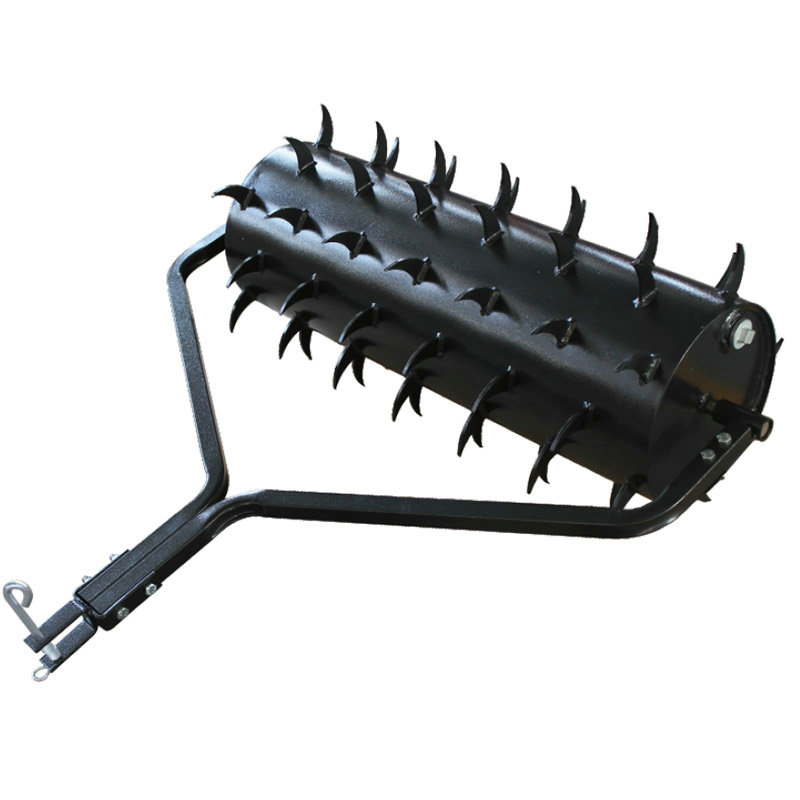
DESCRIPTION ♦Helps nutrients get into the soil and down to the ...
See Details -
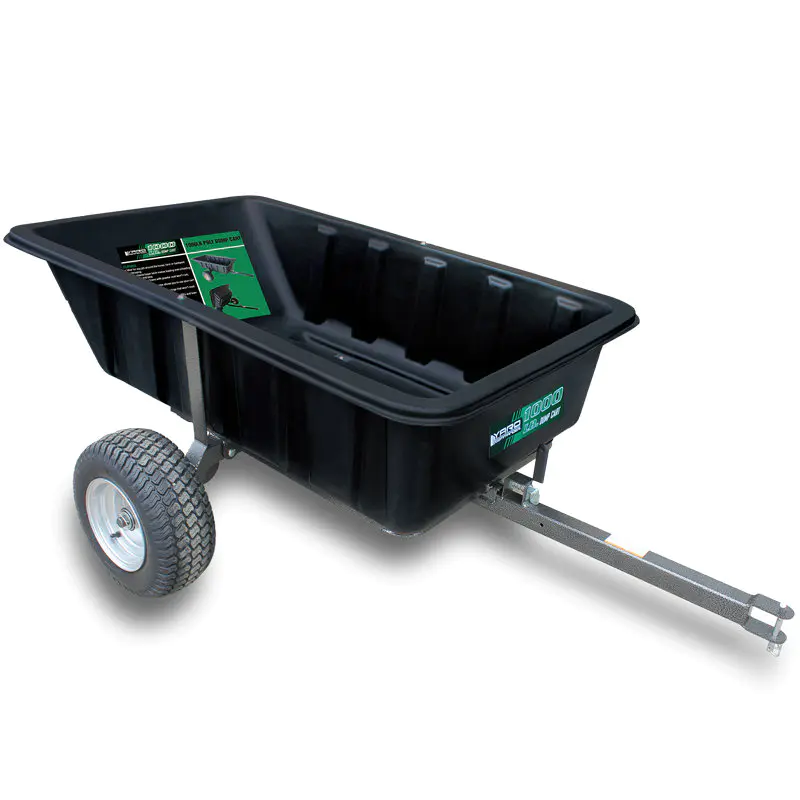
Ideal for any job around the house, farm or backyard landscaping Durab...
See Details -
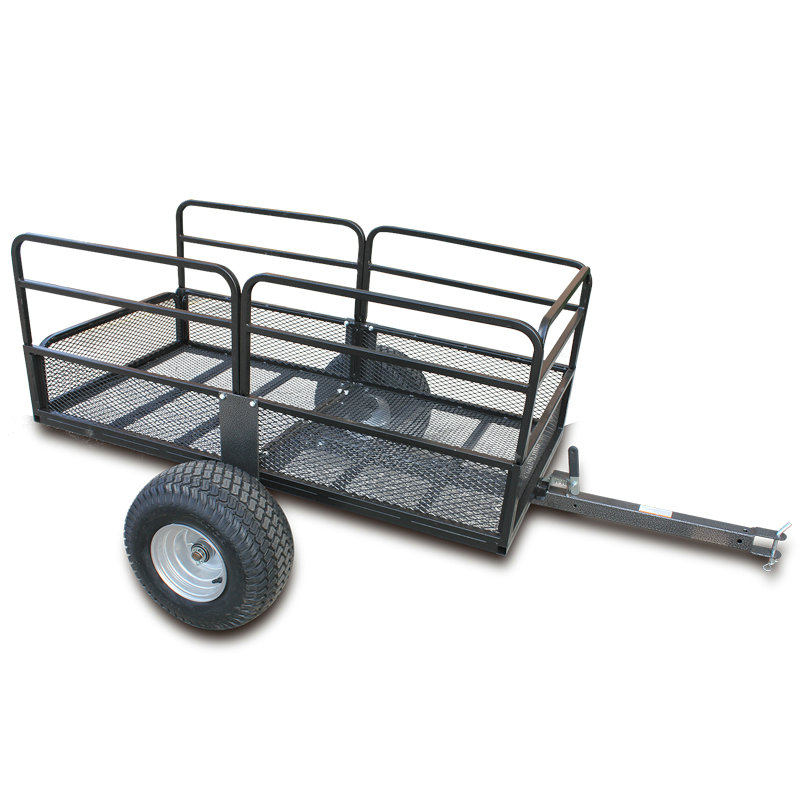
MODEL NO.: SP 22150 Removable rails and tailgate make hauling convenie...
See Details
