
 LANGUAGE
 English
 Deutsch
 Español
 Français
 русский










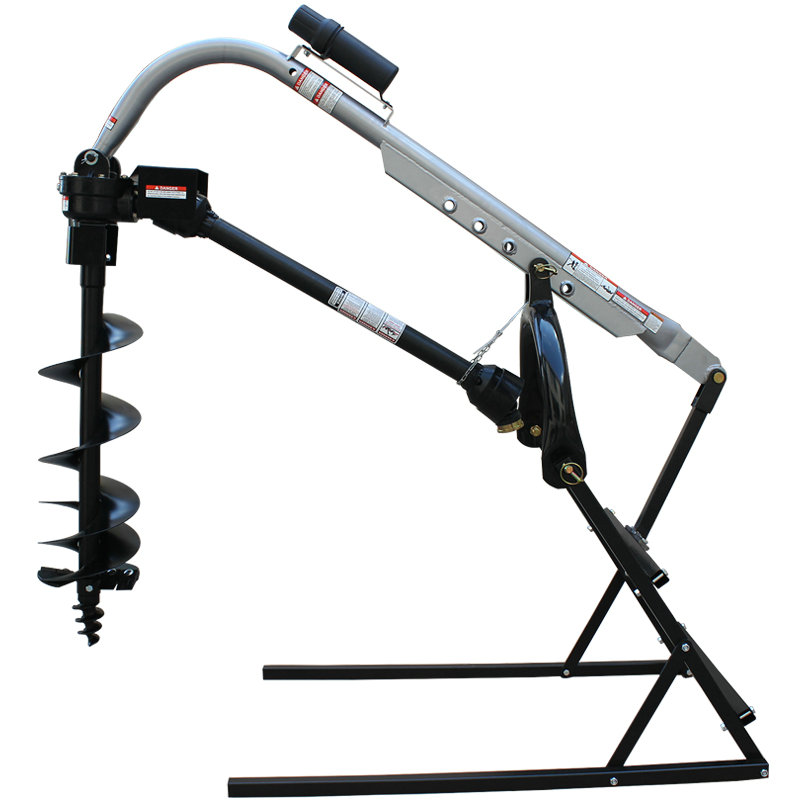
MODEL NO. :SP48109 Post hole digger for most compact Cat 1 & Cat 2...
See Details
Manual Post Pounder SP38118: A Durable Tool for Fast, Controlled T-Post Installation
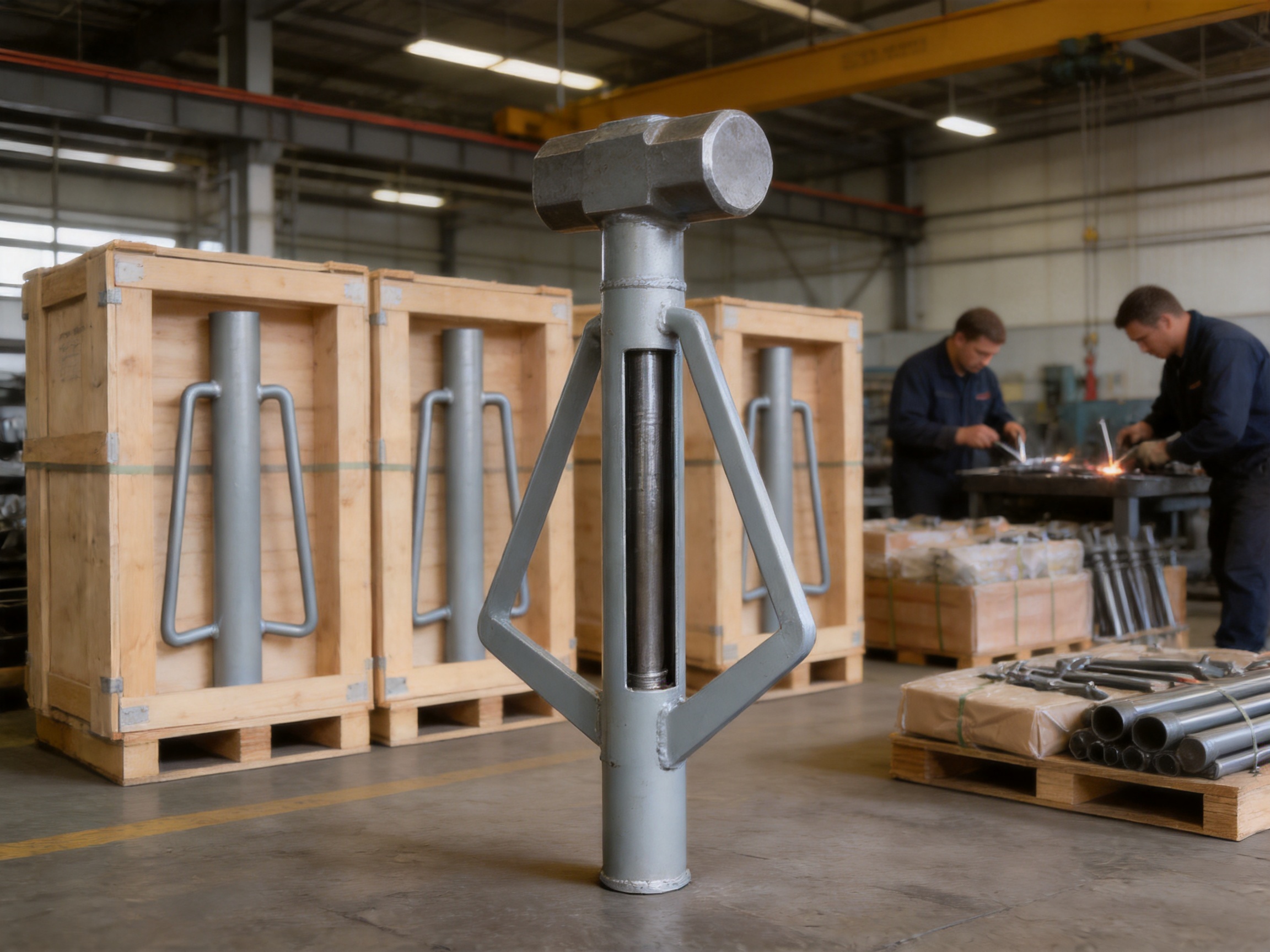
Installing fence posts is one of the most demanding routine tasks on a farm, ranch, construction site, or rural property. A post must be driven deeply enough to remain stable, yet the installation process must also be controlled so that the post is not bent, damaged, or driven at an undesirable angle. The Manual Post Pounder SP38118 is designed to make this work more efficient by combining a weighted solid-steel striking head, a heavy-gauge steel body, angled handles, and a precisely sized internal tube for standard T-posts.
Unlike improvised tools such as hammers, mallets, or loose sections of pipe, a manual post pounder is built specifically around the shape and installation method of a T-post. The SP38118 allows the operator to place the pounder directly over the post and apply repeated downward impacts from a standing position. This design transfers force along the post while helping protect the user’s hands and maintain better control during installation.
The SP38118 is the version supplied without molded rubber handle grips. It belongs to a product family that also includes model SP38117, which is equipped with rubber handles. Both versions share the same essential structure, operating principle, and heavy-duty construction. The no-grip configuration offers a straightforward, durable solution for users who prioritize a simple steel handle arrangement, while the rubber-grip model can provide additional comfort during extended use.
Designed for agricultural and construction applications, this post pounder is suitable for installing fencing, livestock enclosures, boundary markers, garden supports, temporary barriers, and similar standard T-post systems. Its robust construction also makes it appropriate for demanding commercial use where tools are expected to withstand frequent handling, transport, and repeated impact.
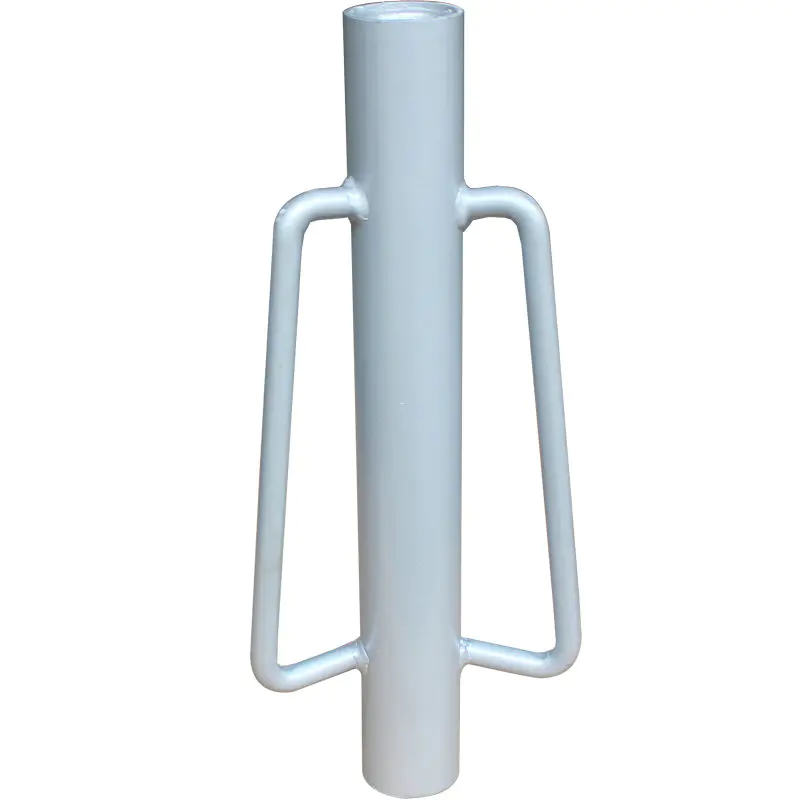
MANUAL POST POUNDER SP38118
Purpose-Built Design for Standard T-Posts
The most important advantage of the SP38118 is that it is designed around a common T-post installation method. Its inside tube diameter is 2-11/16 inches, or approximately 68 millimeters. This opening is intended to accommodate standard T-posts and guide the pounder over the post during operation.
When a conventional hammer is used to install a T-post, the operator must strike the exposed top or an added protective cap. The striking point can be narrow, and the hammer may slide off the post or strike it unevenly. Repeated off-center impacts can deform the top of the post, damage the post profile, or cause the post to lean. A dedicated pounder avoids much of this difficulty because its tube surrounds the upper section of the T-post and distributes the impact more consistently.
The SP38118 is placed over the post before the user lifts and drops or presses the tool downward. The weighted head creates the driving force, while the tube helps keep the tool aligned with the post. This arrangement is particularly useful when the installer must work quickly or place a large number of posts in succession.
A purpose-built tube also offers an important practical advantage over makeshift pipe solutions. Generic pipe may have an unsuitable internal diameter, rough or uneven edges, insufficient wall thickness, or inadequate weight. If the pipe is too loose, it can move excessively around the post. If it is too tight, it may bind during use. The SP38118 is manufactured as a dedicated post-driving tool, giving the user a more predictable fit and a more controlled working action.
Suitable Applications
The tool can be used in a wide range of applications where standard T-posts are installed manually. Typical uses include pasture fencing, livestock fencing, temporary agricultural partitions, property boundary fencing, garden and orchard protection, erosion-control barriers, construction site markers, snow fencing, and temporary crowd or access control.
On farms and ranches, a manual pounder is especially valuable when posts must be installed in locations that cannot be reached easily by tractors, loaders, or powered post drivers. It is also useful for repair work. A damaged fence line may require only a few replacement posts, making manual equipment more convenient and economical than transporting large machinery to the site.
In construction, the tool can help install temporary posts for warning tape, safety netting, site boundaries, landscaping protection, or temporary fencing. Because it does not rely on fuel, batteries, hydraulic systems, or electrical connections, it can be used in remote areas and in changing weather conditions, provided that the operator follows appropriate safety practices.
Heavy-Gauge Steel Construction
The SP38118 uses heavy-gauge steel and high-quality welded construction to withstand the repeated impacts generated during post installation. A post pounder experiences a demanding combination of shock, vibration, compression, and handling loads. Lightweight consumer-grade tools may become dented, distorted, or loose after repeated use, particularly when posts are installed in hard or compacted soil.
Heavy-gauge steel provides a stronger structural foundation than thin sheet metal. It helps the body maintain its shape and protects the internal opening from deformation. A stable tube is essential because the post pounder must continue to fit over the T-post as the tool is used repeatedly. If the opening becomes distorted, the tool may bind, wobble, or transfer impact unevenly.
Welded construction is another important feature. Properly executed welds join the major steel components into a unified working structure. This reduces reliance on small fasteners that could loosen under repeated impact. The welded body also helps the pounder maintain its alignment between the head, tube, and handles.
Compared with improvised tools assembled from ordinary pipe and separate handles, the SP38118 offers a more integrated construction. Its components are designed to function together as a post-driving system rather than being adapted from unrelated materials. This integration can improve durability, handling, and consistency during regular use.
Why Structural Strength Matters
Every downward impact creates a reaction force that travels through the tool and into the operator’s hands and arms. The body must be strong enough to absorb and redirect this force without excessive flexing. Excessive flex can make the pounder feel unstable and may cause energy to be lost before it reaches the post.
A rigid body also supports better control. When the operator raises the pounder, the handles and head should move as one unit. During the downward stroke, the tool should remain centered rather than twisting around the post. Heavy-gauge steel and reinforced welded joints help provide the stiffness required for this type of work.
Durability is valuable not only for professional contractors but also for property owners. A high-quality manual tool may be used intermittently over many years. It can be stored between fencing projects and brought out whenever a repair, expansion, or temporary enclosure is needed. The absence of a motor reduces mechanical complexity, while the steel structure is capable of handling demanding manual operation.
Weighted Solid-Steel Head for Effective Impact
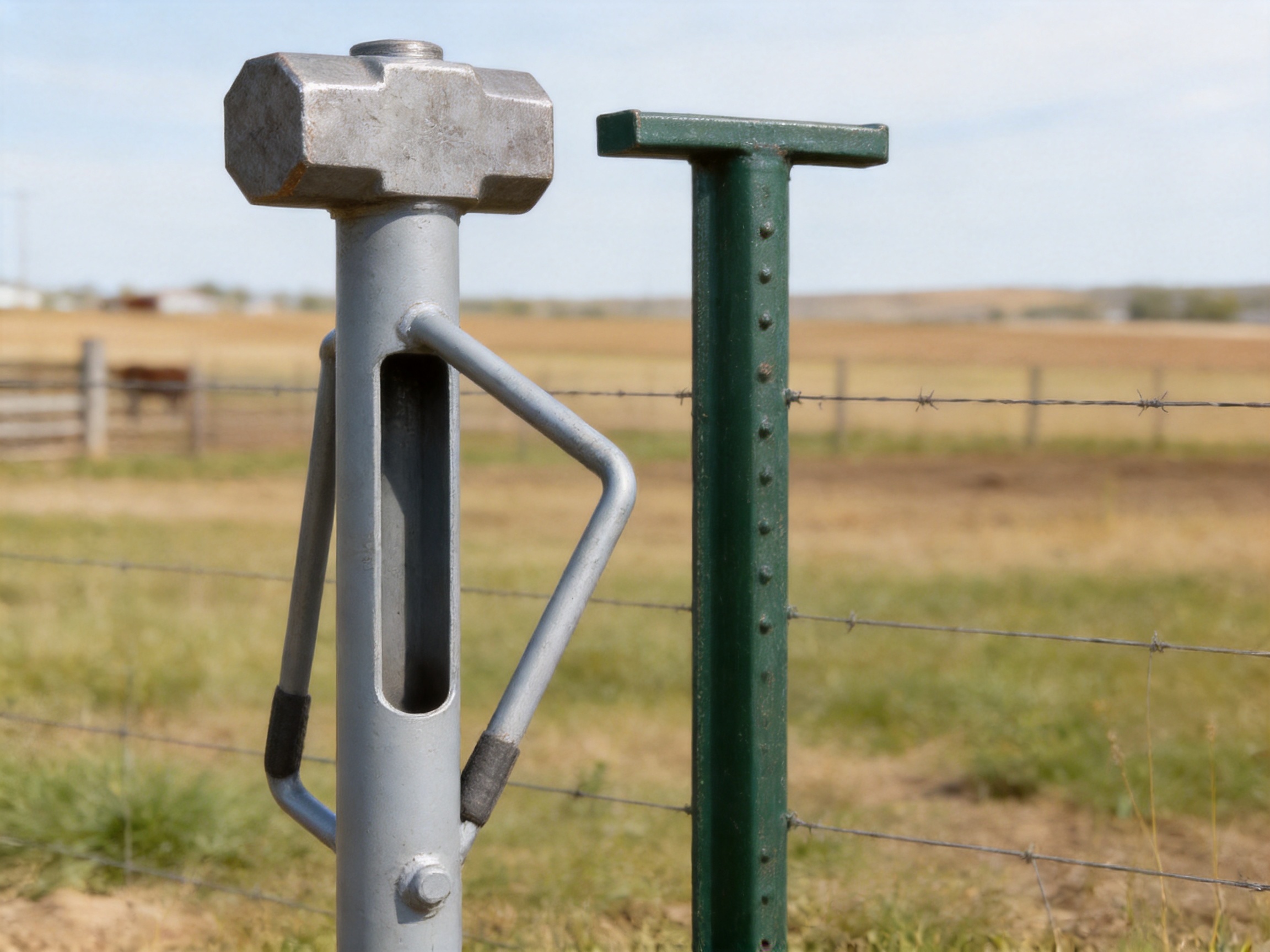
The SP38118 includes a weighted solid-steel head that supplies the momentum needed to drive a T-post into the ground. In manual installation, effective force depends on several factors: the mass of the tool, the height of the lift, the speed of the downward movement, the alignment of the pounder, and the condition of the soil.
A heavier head can generate substantial impact without requiring the operator to swing a separate hammer sideways. Instead, the user lifts the pounder vertically and applies force along the axis of the post. This movement is easier to repeat than a broad hammer swing and reduces the likelihood of striking the post from an angle.
The solid-steel head is particularly important because it concentrates weight in the section that delivers the impact. A lightweight hollow head may be easier to lift, but it may require more strokes or greater physical effort to achieve the same penetration. The SP38118’s weighted structure is intended to provide a practical balance between driving force and manual handling.
Repeated vertical impacts also help the operator maintain a consistent rhythm. On soft or moderately firm ground, the tool may drive the post efficiently with a series of controlled strokes. In harder soil, the installer can use shorter lifts and more frequent impacts while maintaining alignment. The correct technique depends on soil conditions, post length, and the required depth.
Controlled Energy Transfer
The purpose of the pounder is not merely to provide weight. It must transfer that weight to the T-post in a controlled manner. The tube surrounds the post, and the head is positioned above the post’s upper section. When the tool moves downward, the impact is directed through the post rather than delivered from the side.
This controlled energy transfer can reduce damage to the top of the post. T-posts often include a shaped profile, a row of projections, or a reinforced upper section. Striking the post directly with an ordinary hammer may flatten or distort these features. A post pounder allows the force to be applied through the tool body, helping preserve the post and supporting a more consistent final installation.
Although the tool improves the process, it does not eliminate the need for proper judgment. The operator should inspect the ground before driving a post and should stop if the post encounters buried rock, concrete, metal, or another obstruction. Excessive force against an obstruction can damage the tool, bend the post, or create a safety hazard.
Angled Handles for Better Control
The handles of the SP38118 are angled to support better control and a more ergonomic gripping position. Handle geometry has a direct effect on how a manual tool feels during repeated lifting and lowering. Straight handles can force the wrists into an uncomfortable position, particularly when the user is working for a long period or wearing protective gloves.
Angled handles allow the operator to place the hands in a more natural position while keeping the pounder centered over the T-post. This can make it easier to guide the tool during the lift and maintain a controlled downward stroke. The design also gives the user two contact points, improving balance compared with lifting a heavy pipe from one central location.
Better control is important for both productivity and safety. A tool that is difficult to hold may swing, twist, or fall against the user’s legs and feet. With a balanced two-hand grip, the operator can keep the pounder aligned and reduce unnecessary movement. This is particularly useful when posts must be installed close together or when the terrain is uneven.
Manual Ergonomics in Repetitive Work
Post installation often involves dozens or hundreds of repeated strokes. Small ergonomic improvements can therefore have a significant effect over the course of a project. Handles that encourage a natural grip may help reduce awkward wrist angles and unnecessary shoulder movement. The user can also adjust hand placement to suit personal height, soil conditions, and the required pace.
The SP38118 is supplied without rubber handle grips. This configuration keeps the design simple and leaves the steel handles exposed. Some users may prefer this arrangement because it is easy to clean, resistant to the wear associated with outdoor work, and less likely to retain mud or moisture. The product family also includes the SP38117 version with molded rubber handles for users who prefer a softer gripping surface and additional hand comfort.
Regardless of the handle version, users should wear suitable work gloves and maintain a secure grip. Gloves can improve traction, protect the hands from sharp fencing materials, and reduce discomfort caused by vibration. Operators should take regular breaks when installing a large number of posts and should avoid continuing when fatigue affects their control.
Comparison with Alternative Post-Driving Methods
Different post-driving methods are appropriate for different jobs. A powered hydraulic or pneumatic driver may be preferred for large-scale commercial fencing, while a hand-held hammer may be adequate for a single light-duty post. The SP38118 occupies a useful middle position: it provides a dedicated and durable manual solution without the cost, transport requirements, or maintenance demands of powered machinery.
| Method | Primary Strength | Typical Limitation | Where the SP38118 Offers an Advantage |
|---|---|---|---|
| Ordinary hammer | Common and versatile | May damage the post top and requires accurate repeated strikes | Surrounds the T-post and directs force vertically |
| Improvised pipe | Low initial cost if suitable material is available | May have poor fit, rough edges, weak walls, or inadequate weight | Purpose-built dimensions and welded heavy-gauge construction |
| Powered post driver | Very high production rate | Higher purchase cost, maintenance needs, and transport requirements | Portable, fuel-free, and suitable for smaller or remote projects |
| Manual post pounder | Simple operation and low maintenance | Requires physical effort | Combines manual portability with dedicated T-post alignment |
Compared with an ordinary hammer, the SP38118 improves the contact relationship between the tool and the post. The operator does not need to aim at a narrow exposed surface with each stroke. Compared with an improvised pipe, it provides a more reliable structure and a purpose-designed weighted head. Compared with powered equipment, it is easier to transport, requires no fuel or electrical supply, and can be used for small jobs without setting up machinery.
These advantages do not mean that a manual pounder replaces every other method. Large contractors installing thousands of posts in a short period may require powered equipment. However, for farms, property maintenance, landscaping, rural construction, and fencing repairs, the SP38118 can provide an effective balance of strength, simplicity, and portability.
Dimensions, Weight, and Handling Characteristics
The overall size of the SP38118 is approximately 23.23 by 9.33 by 2.99 inches, equivalent to 590 by 237 by 76 millimeters. These dimensions provide a substantial working structure while keeping the tool suitable for manual handling. The elongated form supports a two-handed grip, and the tube length helps guide the tool over the upper part of the T-post.
The listed item weight is approximately 17.22 pounds, or 7.8 kilograms, for the version without handle grips. The version with molded rubber handles weighs approximately 19.21 pounds, or 8.7 kilograms. This weight is significant enough to generate useful impact, yet manageable for an adult operator who uses correct lifting technique and takes appropriate breaks.
Weight selection is always a balance. A very light post pounder may require excessive lifting speed or a large number of strokes. A very heavy model may be difficult to handle safely, especially on uneven ground or during long installation sessions. The SP38118 is designed as a substantial manual tool that combines the mass of a weighted head with handles intended to improve control.
Users should consider the condition of the installation site before beginning work. Slopes, loose gravel, wet soil, dense roots, and concealed obstacles can affect both the required force and the operator’s balance. A clear, stable working area makes it easier to stand squarely over the post and control the pounder throughout each stroke.
Transport and Storage
Because the SP38118 does not include an engine, hydraulic cylinder, battery, or electrical cable, transporting it between locations is straightforward. It can be carried in a service vehicle, placed with fencing supplies, or stored with farm tools. Its steel construction also makes it suitable for outdoor work environments where equipment may be exposed to dust and occasional moisture.
After use, the tool should be cleaned of soil, plant material, and moisture. Dirt packed inside the tube can interfere with the fit over the next T-post. A basic inspection should check the welded areas, handles, tube opening, and head for visible damage. Storing the pounder in a dry location helps reduce surface corrosion and preserves its working condition.
Although the product is built for durability, it should not be used as a pry bar, sledgehammer, lever, or general demolition tool. Using it for purposes other than post installation can place loads on the steel and welds that are different from those considered in its design.
Manufacturing Strengths and Quality Management
The performance of a manual post pounder depends heavily on manufacturing consistency. Tube diameter, head alignment, weld quality, handle position, and overall dimensions all influence how the tool behaves in use. Jiashan Superpower Tools Co., Ltd. manufactures the SP38118 as part of a broader range of lawn, garden, agricultural, and outdoor power equipment.
The company was established in 1997 and has more than two decades of manufacturing experience. Its facility is located in the Huimin Economic Development Zone in Jiashan County, Zhejiang Province, between Shanghai and Hangzhou. This location provides access to established industrial supply chains, manufacturing services, logistics networks, and export infrastructure.
The company operates under an ISO 9001:2015-certified quality management system. For a product such as a manual post pounder, a formal quality system can support repeatable production by organizing procedures for material handling, fabrication, inspection, process control, and corrective action. Consistency is especially important when products must be supplied to distributors and customers in different international markets.
The company also indicates that many of its products carry CE certification. Certification requirements vary by product category and market, so buyers should confirm the documentation applicable to a specific shipment. Nevertheless, attention to recognized quality and compliance systems demonstrates a structured approach to international manufacturing and product supply.
Fabrication and Welding Considerations
A durable post pounder begins with appropriate steel material and accurate forming. The body must be shaped so that the internal tube remains sufficiently round and clear for the intended T-post. The head must be positioned in relation to the tube so that impact force is transmitted along the correct path. The handles must be placed symmetrically enough to support balanced lifting and control.
Welding is a critical part of this process. Welded joints must be properly prepared, placed, and finished to create a strong connection between the body, head, and handles. Consistent welding procedures help reduce the risk of weak joints, incomplete fusion, excessive spatter, or distortion. Post-weld inspection can identify visible irregularities and support more dependable finished products.
Manufacturing experience is valuable because production teams learn how material thickness, welding sequence, fixture design, and finishing operations affect the final tool. A mature manufacturer can use established procedures while continuing to improve efficiency and quality control. This is an important distinction between a purpose-built factory product and an individually improvised tool made without controlled dimensions or inspection.
Product Development and Market Experience
Jiashan Superpower Tools Co., Ltd. specializes in equipment used for outdoor maintenance, agriculture, landscaping, and related applications. Its product range includes log splitters, dump carts, spreaders, lawn sweepers, lawn aerators, lawn groomers, chipper shredders, stump grinders, tie rod cylinders, PTO shafts, and post pounders.
This broad product experience gives the company exposure to many of the practical requirements associated with outdoor equipment: heavy steel fabrication, moving loads, operator handling, corrosion exposure, packaging, transport, and international customer expectations. The post pounder benefits from this wider manufacturing background because it is produced within a company familiar with robust equipment rather than as an isolated accessory.
The company emphasizes innovative, energy-efficient, environmentally friendly, and cost-effective product development. A manual post pounder naturally supports low-energy operation because it uses human power rather than fuel or electricity. It produces no engine exhaust at the point of use and requires no battery charging or fuel storage. For small fencing projects, this simplicity can reduce operating costs and environmental impact.
Use in Agricultural and Construction Environments
Agricultural work often requires flexibility. Fence lines may cross pasture, woodland edges, drainage areas, or irregular terrain. Equipment must be transported to locations that may be far from buildings or vehicle access. The SP38118 is well suited to this type of work because it can be carried directly to the installation point and used without connecting to a tractor or generator.
For livestock fencing, the installer can first mark the intended line and determine the desired spacing. Each T-post can then be positioned and driven using controlled vertical strokes. The operator should periodically check the alignment of the fence and the height of each post so that the finished line remains straight and functional.
In construction, temporary fencing and warning barriers often need to be installed quickly and removed later. A manual post pounder can simplify installation when the site does not justify powered equipment. It is also useful for landscape contractors installing protective barriers around newly planted trees, garden beds, or work areas.
For property owners, the tool can support seasonal and emergency work. A fence may need to be repaired after storms, animal pressure, vehicle contact, or ground movement. Keeping a durable manual pounder available can reduce dependence on outside contractors for small repairs and allow the work to be completed with commonly available standard T-posts.
Working on Different Soil Conditions
Soil conditions strongly influence manual post installation. Loose or sandy ground may allow quick penetration but may provide less resistance against post movement. Firm loam may require more strokes but can provide good holding strength. Clay, gravel, compacted fill, frozen ground, and soil containing roots or stones may require additional preparation.
The SP38118 is a driving tool, not a ground auger or rock breaker. If the soil is extremely hard, the operator may need to loosen the location with an appropriate digging tool before using the pounder. In cold climates, frozen soil should be addressed with equipment suitable for that condition. Attempting to force a post through a large buried obstruction can bend the post or place excessive stress on the pounder.
Proper preparation improves both productivity and tool life. The operator should identify underground utilities and other hazards before driving posts. On construction sites, local safety procedures should be followed, and the installation area should be checked for buried cables, pipes, concrete, and reinforcement materials.
Operating Procedure and Best Practices
Before using the SP38118, inspect the tool for damage, confirm that the tube is clear, and make sure the handles are secure. Wear work gloves, safety footwear, and eye protection. If the site contains loose stones, dry soil, or other debris that may be displaced during impact, additional protective equipment may be appropriate.
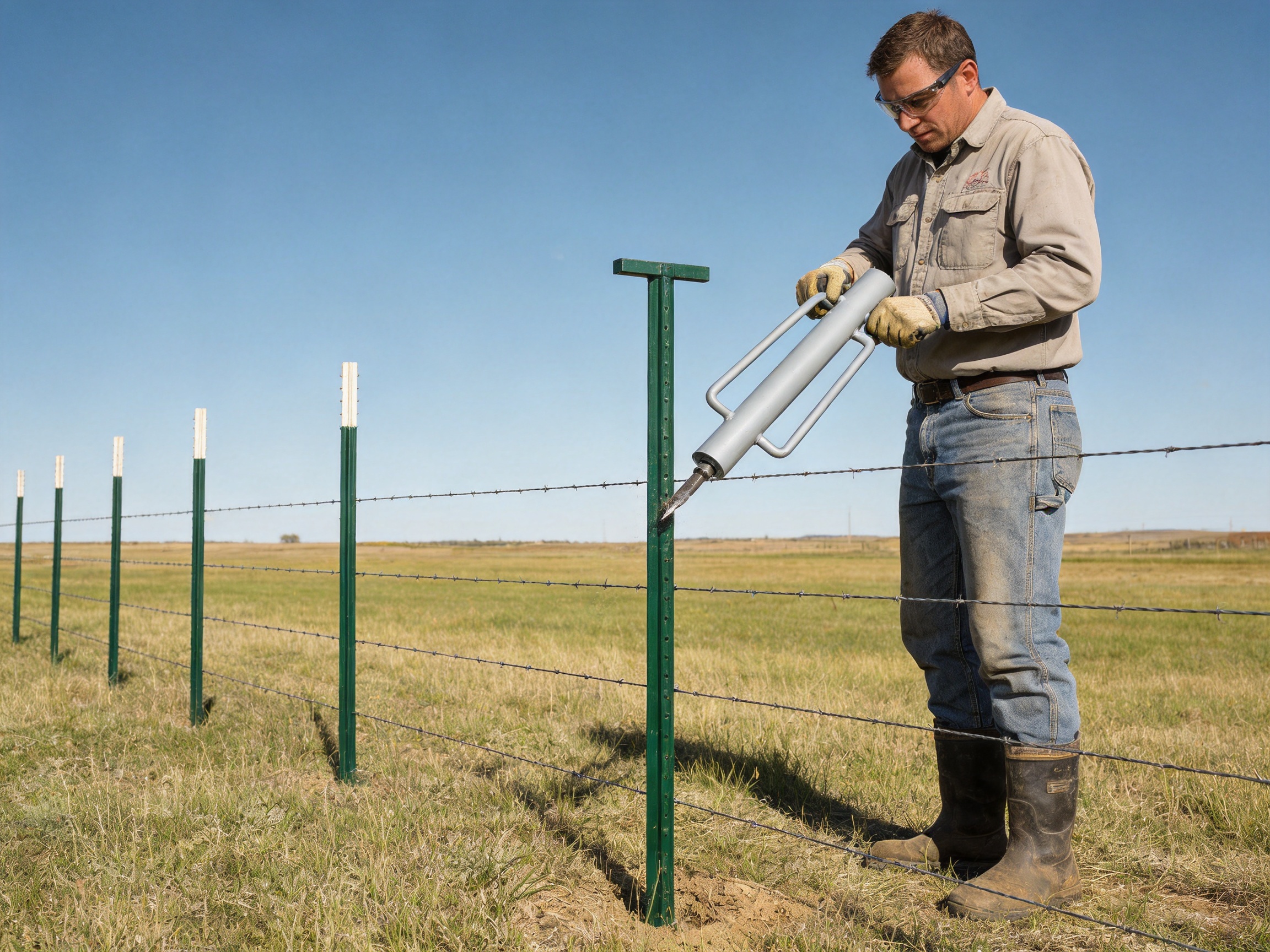
Position the T-post at the intended location and hold it vertically. Place the pounder over the top of the post so that the post enters the internal tube. Stand with both feet stable and keep the body balanced. Hold the angled handles firmly with both hands, keeping fingers away from pinch points between the tool and the ground.
Lift the pounder in a controlled manner and lower it vertically. Avoid swinging the tool sideways or twisting it around the post. Allow the weighted head to deliver the impact, rather than relying only on arm strength. After several strokes, check the post for vertical alignment and adjust it before it becomes too deeply embedded to correct easily.
Continue until the post reaches the required depth or stability. Do not strike a post pounder with another hammer or use a vehicle to force it downward. If the pounder becomes stuck, stop and determine the cause. A post may be bent, the soil may contain an obstruction, or dirt may have accumulated inside the tube.
When finished, lift the pounder clear of the post and inspect the installation. Clean the tool before storage, particularly if the work was performed in wet or muddy conditions. A light protective coating suitable for steel equipment may be used when appropriate, but the tube should remain clean and free of excessive residue.
Maintenance and Long-Term Value
The SP38118 has relatively low maintenance requirements because it contains no engine, fuel system, electrical motor, hydraulic pump, or complex moving mechanism. Its principal maintenance needs are cleaning, inspection, and proper storage.
After each substantial use, remove soil from the internal tube and exterior surfaces. Check for dents, cracks, loose components, or deformation around the tube opening. Examine the welded areas for visible damage. The handles should be checked for bending or looseness, particularly if the tool has been dropped or used against an obstruction.
Surface rust should be addressed before it spreads. Clean the affected area, dry the steel, and apply an appropriate protective treatment if required. The tool should be stored away from standing water and, where possible, protected from prolonged exposure to rain and high humidity.
Long-term value comes from the combination of simple operation and durable construction. A manual pounder does not require regular fuel purchases, battery replacement, engine servicing, or hydraulic maintenance. When properly cared for, it can remain available for occasional fencing projects over many years. The tool’s value is especially clear for users who need dependable equipment but do not install posts frequently enough to justify powered machinery.
Packaging and Supply Considerations
The listed package size is approximately 40.35 by 24.80 by 43.70 inches, or 1,025 by 630 by 1,110 millimeters. The stated container quantity is 52 pieces per wooden box, with a listed loading quantity of 1,872 pieces per 20-foot general-purpose container. These specifications are relevant to wholesalers, distributors, importers, agricultural supply companies, and equipment retailers.
Efficient packaging helps protect steel tools during international transport and supports organized handling at the receiving warehouse. Buyers should confirm the final packaging configuration, loading plan, labeling requirements, and documentation with the supplier before placing an order. The appropriate configuration may vary according to destination market, shipping regulations, and customer requirements.
For commercial buyers, purchasing the SP38118 in volume can support a consistent product offering for farm stores, fencing suppliers, garden equipment dealers, and construction tool distributors. The model number distinguishes the no-rubber-handle version from SP38117, making it important to specify the correct configuration when requesting quotations or preparing inventory records.
Advantages for Distributors and Professional Buyers
Retailers and distributors generally look for products that are easy to explain, useful across multiple customer groups, and simple to stock. The SP38118 meets these criteria through a clear application: manually driving standard T-posts. Its heavy-gauge welded steel construction provides a straightforward value proposition, while its manageable dimensions make it practical for display, storage, and shipment.
The product can be marketed to agricultural users, fencing contractors, rural property owners, construction companies, landscaping professionals, and equipment rental businesses. Its broad application range reduces dependence on a single market segment. Seasonal demand may increase during fencing, livestock management, landscaping, and construction periods, but the tool remains useful throughout the year for maintenance and repair work.
The no-rubber-handle configuration may also appeal to buyers seeking a basic, durable product with fewer external components. Customers who place greater emphasis on grip comfort can be offered the related SP38117 version. Providing both options allows distributors to serve different preferences while retaining a common operating concept and product family.
Supplier support is another important consideration. Jiashan Superpower Tools Co., Ltd. has experience serving customers in North America, Europe, Australia, Asia, South America, and other international markets. Its export background and quality-management approach can help support communication, production planning, and long-term business relationships.
Safety Considerations
A manual post pounder is a force-producing tool and should be treated with the same respect as other heavy equipment. Only trained and physically capable users should operate it. Children and untrained bystanders should remain away from the working area.
Wear safety footwear with suitable traction, work gloves, and eye protection. Keep both hands on the handles during operation, and do not place hands, feet, or other body parts beneath the pounder. Maintain a stable stance and ensure that the area around the post is free from unnecessary obstacles.
Inspect the T-post before use. Bent, cracked, severely corroded, or damaged posts may not withstand driving forces safely. Confirm that there are no underground utilities or other hidden hazards at the installation location. On work sites, use warning signs, barriers, or spotters where necessary.
Do not modify the tool by welding additional weights, cutting the handles, enlarging the tube, or attaching unapproved components. Modifications can change the balance and force path, weaken the structure, or create unexpected hazards. If the pounder shows serious damage, remove it from service and have it evaluated by a qualified person.
Frequently Asked Questions
What is the SP38118 designed to do?
The SP38118 is a manual post pounder designed to drive standard T-posts into the ground. Its internal tube fits over the upper section of the post, while the weighted solid-steel head provides impact force through vertical lifting and lowering movements.
Does the SP38118 include rubber handle grips?
No. SP38118 is the version without rubber handle grips. The related SP38117 model includes molded rubber handles for users who prefer additional cushioning and a softer gripping surface.
What size T-post does it fit?
The tool has a 2-11/16-inch, or approximately 68-millimeter, inside tube diameter and is intended for standard T-post applications. Users should confirm the actual dimensions and profile of their posts before purchase, especially when using nonstandard or unusually shaped fencing posts.
How heavy is the tool?
The SP38118 weighs approximately 17.22 pounds, or 7.8 kilograms. The version with rubber handle grips is listed at approximately 19.21 pounds, or 8.7 kilograms.
Can it be used on a farm?
Yes. It is designed for agricultural applications such as pasture fencing, livestock enclosures, temporary partitions, boundary lines, and fence repair. Its manual operation makes it useful in locations that are difficult to reach with tractors or powered post drivers.
Can it be used on a construction site?
Yes. The tool can be used for temporary fencing, warning barriers, landscaping protection, site markers, and similar applications involving standard T-posts. Users should follow all site-specific safety requirements and check for underground utilities before driving posts.
Is it better than using a regular hammer?
For standard T-post installation, a dedicated pounder offers several advantages over a regular hammer. It surrounds the post, helps maintain vertical alignment, applies force along the post, and reduces the need to strike a narrow exposed surface directly. A regular hammer may still be suitable for very small jobs, but it can increase the risk of damaging the post top or missing the target.
Can the SP38118 replace a powered post driver?
It depends on the job. A powered driver is generally more suitable for very large projects requiring high production rates. The SP38118 is advantageous for smaller projects, repairs, remote locations, and users who want a low-maintenance tool that requires no fuel, battery, compressor, or electrical supply.
What makes its construction durable?
The tool uses heavy-gauge steel and high-quality welded construction, combined with a weighted solid-steel head. These features help it withstand repeated manual impacts and maintain the structural alignment needed for T-post installation.
How should the tool be maintained?
Clean soil and debris from the tube and exterior after use. Inspect the handles, head, tube, and welds for damage. Keep the tool dry during storage and address surface rust before it becomes extensive. Do not use the pounder as a lever, pry bar, or demolition tool.
Where is the product manufactured?
The SP38118 is manufactured by Jiashan Superpower Tools Co., Ltd., whose facility is located in Jiashan County, Zhejiang Province, China. The company has manufactured log splitters, lawn and garden equipment, and related outdoor products since 1997.
Does the manufacturer have a quality-management system?
The manufacturer operates under an ISO 9001:2015-certified quality management system. It also states that many of its products carry CE certification. Buyers should request product-specific compliance documents when required for a particular market or shipment.
Conclusion
The Manual Post Pounder SP38118 is a practical, durable solution for driving standard T-posts in agricultural, construction, landscaping, and property-maintenance applications. Its purpose-built 68-millimeter internal tube, weighted solid-steel head, heavy-gauge steel body, welded construction, and angled handles work together to provide controlled manual installation.
Compared with ordinary hammers and improvised pipe tools, it offers better alignment, more predictable force transfer, and a construction intended specifically for repeated post-driving work. Compared with powered equipment, it provides portability, low maintenance, and operation without fuel, electricity, batteries, or hydraulic systems.
The no-rubber-handle SP38118 is suited to users who prefer a straightforward steel configuration, while the related SP38117 offers molded rubber handles for additional grip comfort. Both models reflect the same product-family approach and the manufacturer’s experience with durable outdoor equipment.
Supported by more than two decades of manufacturing experience, an ISO 9001:2015-certified quality-management system, international market knowledge, and a broad outdoor-equipment product range, Jiashan Superpower Tools Co., Ltd. is positioned to supply manual post pounders for individual users, distributors, contractors, and agricultural equipment businesses. With correct operation and routine care, the SP38118 can become a dependable long-term tool for installing and maintaining T-post fencing.
References
Jiashan Superpower Tools Co., Ltd. Product Information: Manual Post Pounder SP38118 and Related Model SP38117.
Jiashan Superpower Tools Co., Ltd. Company Information and Outdoor Equipment Manufacturing Profile.
ISO 9001:2015, Quality Management Systems — Requirements.
General agricultural fencing and T-post installation practices.
General manual tool safety and personal protective equipment guidance for farm and construction environments.
Product: MANUAL POST POUNDER SP38118
PREV:No previous article
NEXT:48-Inch Tow-Behind Lawn Sweeper SP31109: Efficient Lawn Cleanup for Professional and Residential Use
NEXT:48-Inch Tow-Behind Lawn Sweeper SP31109: Efficient Lawn Cleanup for Professional and Residential Use
Interested in cooperation or have questions?
Related products
-
-
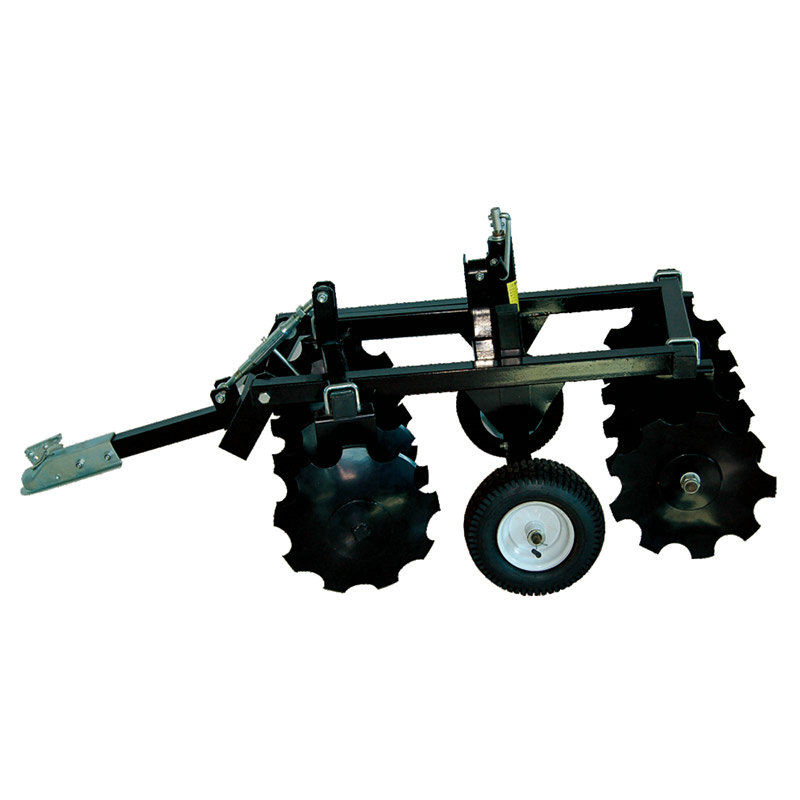
◆MODEL NO.: SP31405 ◆STRONG SQUARE TUBE FRAME, 1"(25MM) HIGH CARBON ST...
See Details -
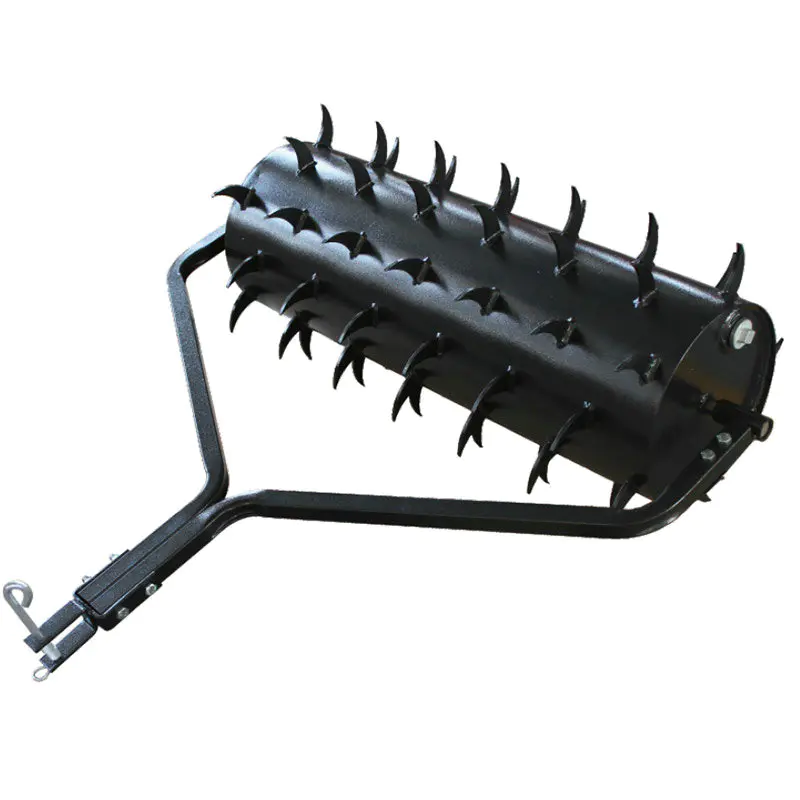
DESCRIPTION ♦Helps nutrients get into the soil and down to the ...
See Details -
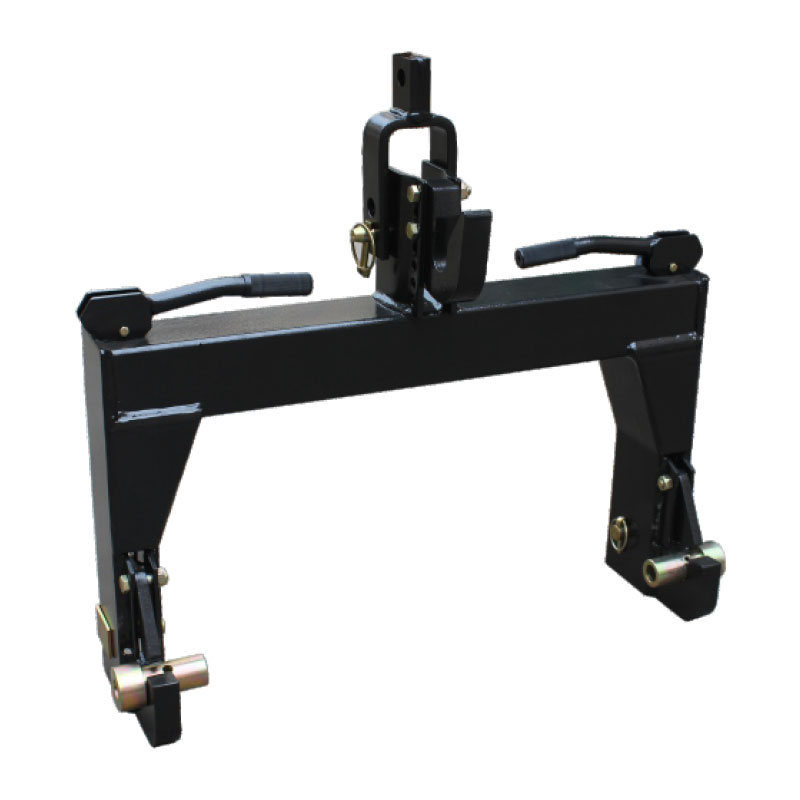
● 2 spring-loaded handles for fast and easy attachment and release of ...
See Details -
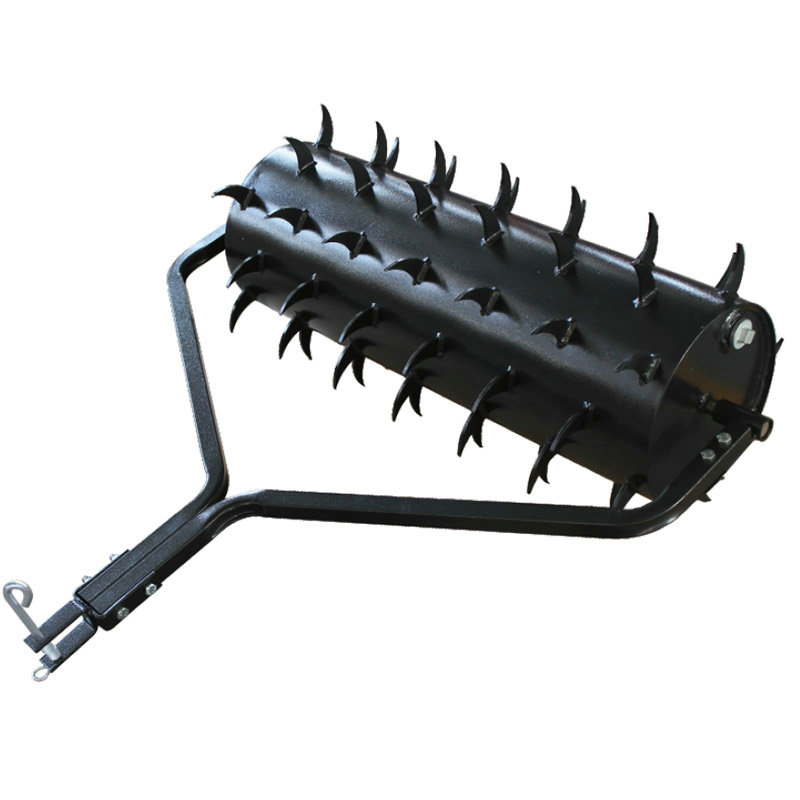
DESCRIPTION ♦Helps nutrients get into the soil and down to the ...
See Details -
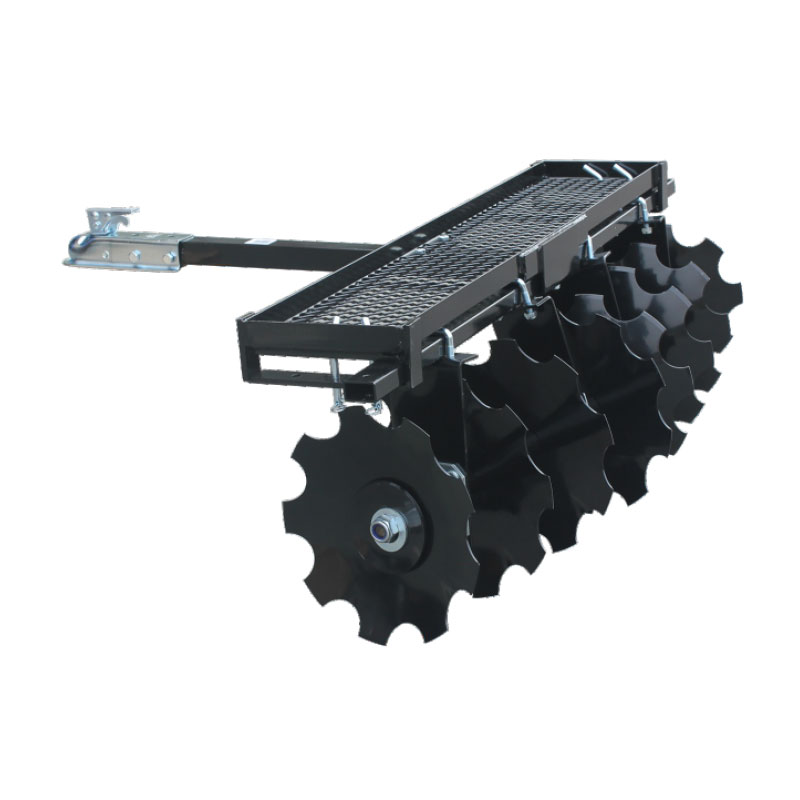
● Covers 51 inch wide path● 14 inch diameter removable notched blades●...
See Details
