
 LANGUAGE
 English
 Deutsch
 Español
 Français
 русский











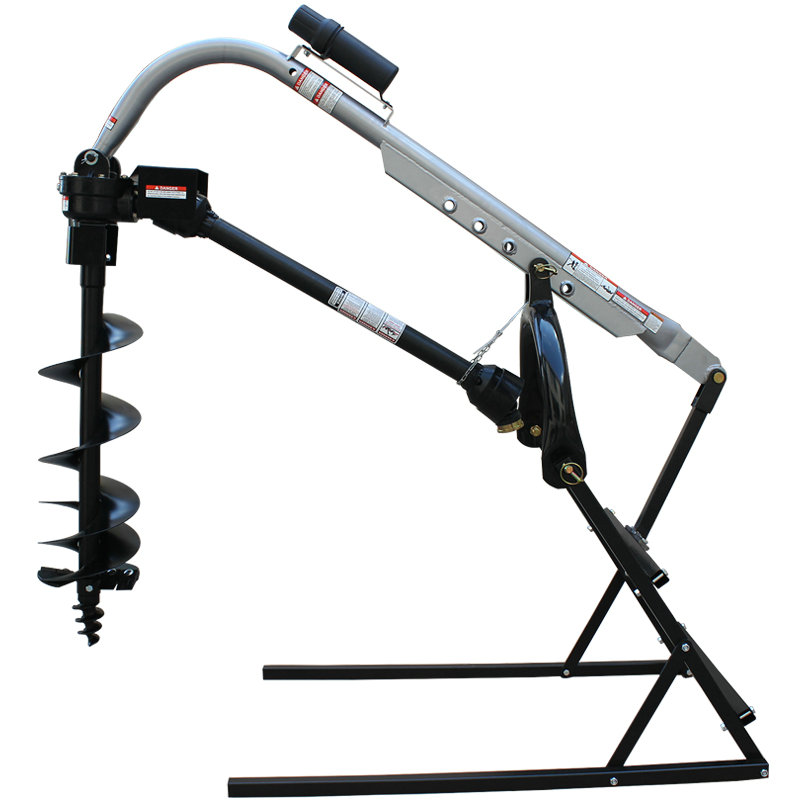
MODEL NO. :SP48109 Post hole digger for most compact Cat 1 & Cat 2...
See Details
16 LB T-Post Pounder QSD6000: A Practical, Durable Solution for Faster Fence Installation
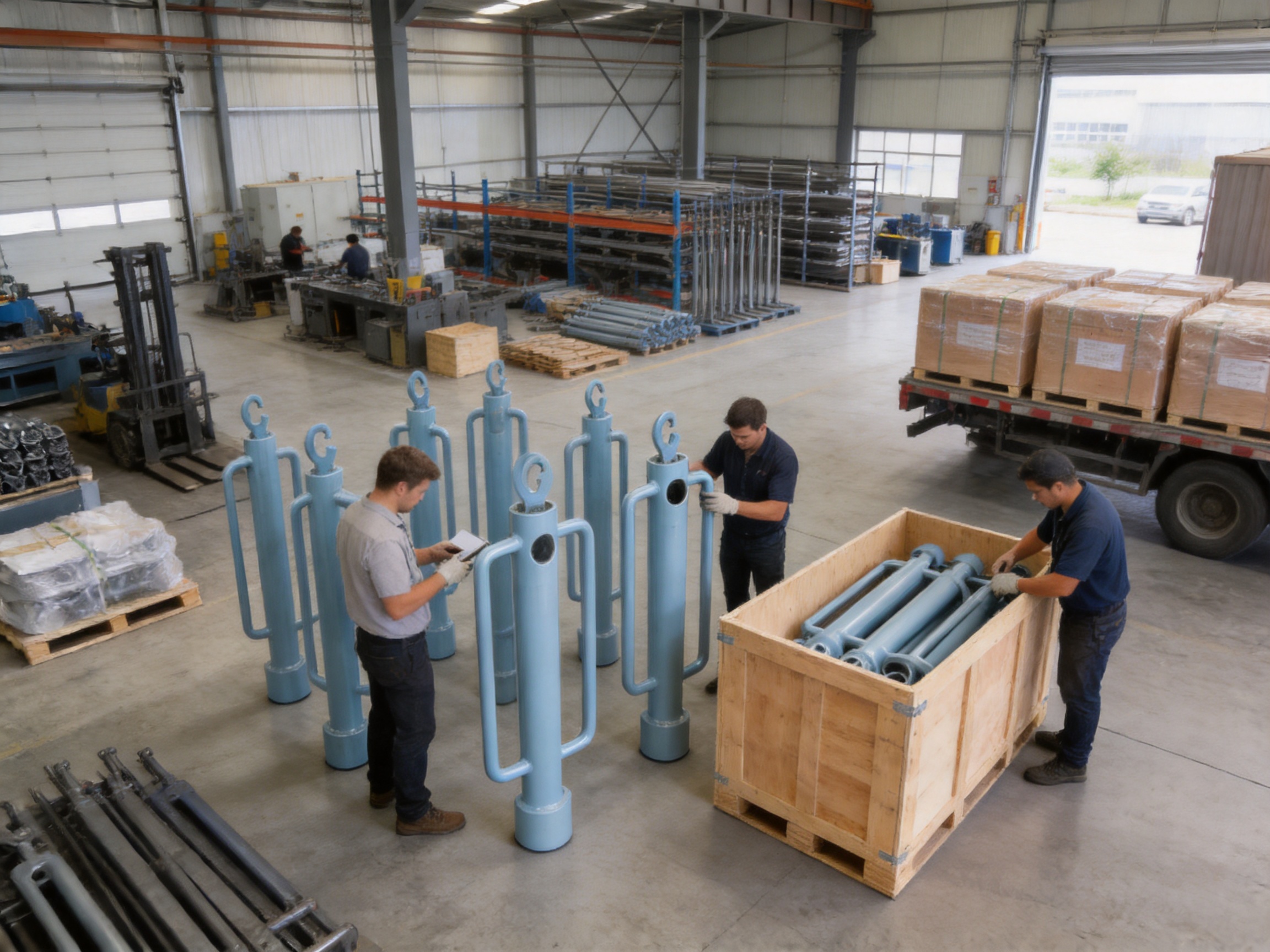
Installing a fence is often a demanding job. Whether the project involves agricultural fencing, pasture boundaries, garden protection, temporary construction barriers, or property improvement, the quality and efficiency of post installation directly affect the strength and service life of the finished fence. T-posts are popular because they are economical, durable, and relatively easy to transport. However, driving them into firm soil can require considerable effort when the installer relies only on a manual hammer or improvised tools.
The 16 LB T-Post Pounder QSD6000 is designed to make this essential task faster, safer, and more consistent. Built from high-strength carbon steel and engineered with a 2-1/8-inch, or 54-millimeter, inside tube diameter, this manual post pounder is made to fit and drive compatible T-posts efficiently. Its 16-pound, or 7.26-kilogram, weight provides the impact force needed for practical fence installation while remaining manageable for routine handling and transportation.
Unlike a basic sledgehammer, the QSD6000 applies force in a controlled direction over the top of the T-post. The tubular design helps keep the impact centered, reducing the likelihood of glancing blows, uneven driving, or damage caused by striking the post from the side. This makes the tool valuable for professional fencing contractors, farmers, ranchers, landscapers, property owners, and distributors seeking a dependable manual fencing accessory.
The product is manufactured by Jiashan Superpower Tools Co., Ltd., an established Chinese producer of log splitters, lawn and garden machinery, material-handling equipment, and outdoor power equipment. The company has operated since 1997 and has developed manufacturing experience across a broad range of practical tools and machines. Its ISO 9001:2015-certified quality management system, product development capabilities, export experience, and focus on cost-effective equipment support the production of tools such as the QSD6000.
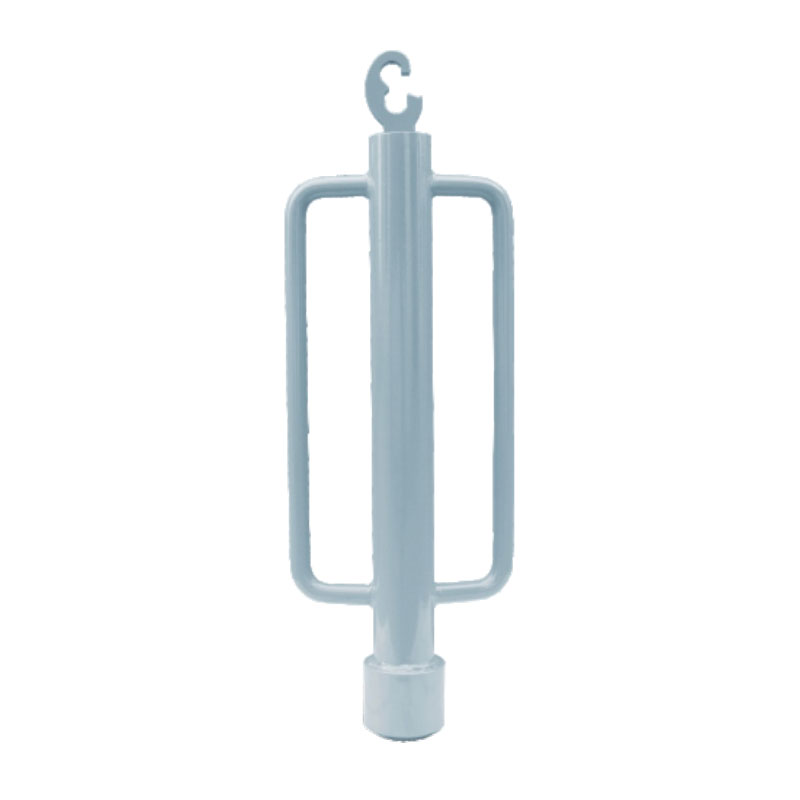
16 LB T-POST POUNDER QSD6000
Why Efficient T-Post Installation Matters
T-post fencing is widely used because it offers a useful balance between affordability, installation speed, and structural performance. A T-post can support wire mesh, livestock fencing, garden fencing, snow fencing, and other barrier materials without requiring the same amount of preparation associated with large timber or concrete posts. In many applications, T-posts can be installed with simple hand tools.
Even so, the installation process can become tiring when dozens or hundreds of posts must be driven. Soil conditions may vary from loose topsoil to hard clay, compacted ground, gravelly soil, or ground containing roots. A worker using a conventional hammer must repeatedly lift the tool, align the blow with the post, and strike the exposed top. Repetition increases fatigue and may lead to inconsistent post depth or accidental impacts against the post itself.
A purpose-designed post pounder helps solve these problems by combining weight, shape, and alignment. The operator places the tool over the top of the T-post, raises it, and allows the weighted body to deliver a downward impact. The tube surrounds the upper portion of the post and guides the tool during the stroke. This arrangement makes the process more predictable than striking the post directly with a separate hammer.
Consistent installation is important for more than appearance. Posts driven to a similar depth create a more uniform fence line and make it easier to attach wire or mesh at the intended height. Properly seated posts are also less likely to lean or shift during normal use. The QSD6000 is therefore not simply a heavy steel tube; it is a practical tool intended to improve the complete fence-building workflow.
Product Overview
The QSD6000 is a manual T-post pounder with an overall size of approximately 26.8 by 8.9 by 3.2 inches, equivalent to 68 by 22.6 by 8.2 centimeters. It weighs 16 pounds, or 7.26 kilograms. The inside tube diameter is 2-1/8 inches, equivalent to 54 millimeters. These dimensions provide a substantial impact body while preserving a form that can be handled on fencing sites without fuel, batteries, electrical connections, or hydraulic equipment.
| Product Item | Specification |
| Product Type | Manual T-post pounder |
| Model | QSD6000 |
| Nominal Weight | 16 lb / 7.26 kg |
| Inside Tube Diameter | 2-1/8 in / 54 mm |
| Overall Size | 26.8 x 8.9 x 3.2 in / 68 x 22.6 x 8.2 cm |
| Main Material | High-strength carbon steel |
| Primary Application | Installation of compatible T-posts |
| Package Size | 39 x 28.3 x 33.5 in / 99 x 72 x 85 cm |
| Container Quantity | 60 pieces per wooden box |
The product specifications show that the tool is intended for demanding, repeated use rather than occasional light-duty handling. The 16-pound weight is a central feature. A lighter pounder may be easier to lift but may require more strokes to achieve the desired depth. A heavier pounder may provide greater impact but can be more tiring to use and harder to control. The QSD6000 occupies a practical middle position for many general-purpose fencing jobs.
High-Strength Carbon Steel Construction
Material selection is one of the most important factors in a post pounder. Every stroke produces impact loading, and the tool must withstand repeated contact with the top of a metal post. High-strength carbon steel is well suited to this application because it combines structural strength, rigidity, and resistance to deformation under normal working conditions.
A post pounder made from inadequate material may develop dents, cracks, distortion, or looseness after repeated use. Deformation can affect the alignment between the tube and the T-post, making each subsequent stroke less efficient. In contrast, a properly manufactured carbon-steel body can retain its shape through repetitive impact cycles when used correctly and maintained appropriately.
The rigid steel structure also contributes to better energy transfer. When the operator lifts the tool and allows it to descend, the tool’s mass creates the impact. A strong body helps direct that force through the top of the T-post rather than allowing excessive flexing or movement in the pounder itself. This supports more consistent installation and reduces wasted effort.
Carbon steel is also a practical choice for international distribution. It is widely understood by manufacturers, repair professionals, and equipment buyers. Production methods for carbon-steel components are well established, allowing manufacturers to control dimensions, form tubular bodies, prepare edges, and apply suitable finishing processes at commercial scale. This supports a balance between performance and purchase cost.
Strength Where the Tool Needs It Most
The working body of a post pounder experiences impacts that are concentrated around the lower opening, the internal tube, and the main weight-bearing structure. These areas must remain sufficiently rigid to maintain a reliable fit over the T-post. The QSD6000’s high-strength carbon-steel construction is intended to support this repeated-duty environment.
Strength does not mean that the tool is indestructible. Users should inspect the pounder before operation, avoid striking concrete or stone directly, and select a T-post that matches the stated internal diameter and general tool design. Correct use allows the material and geometry to perform as intended.
Controlled Impact Through a Tubular Design
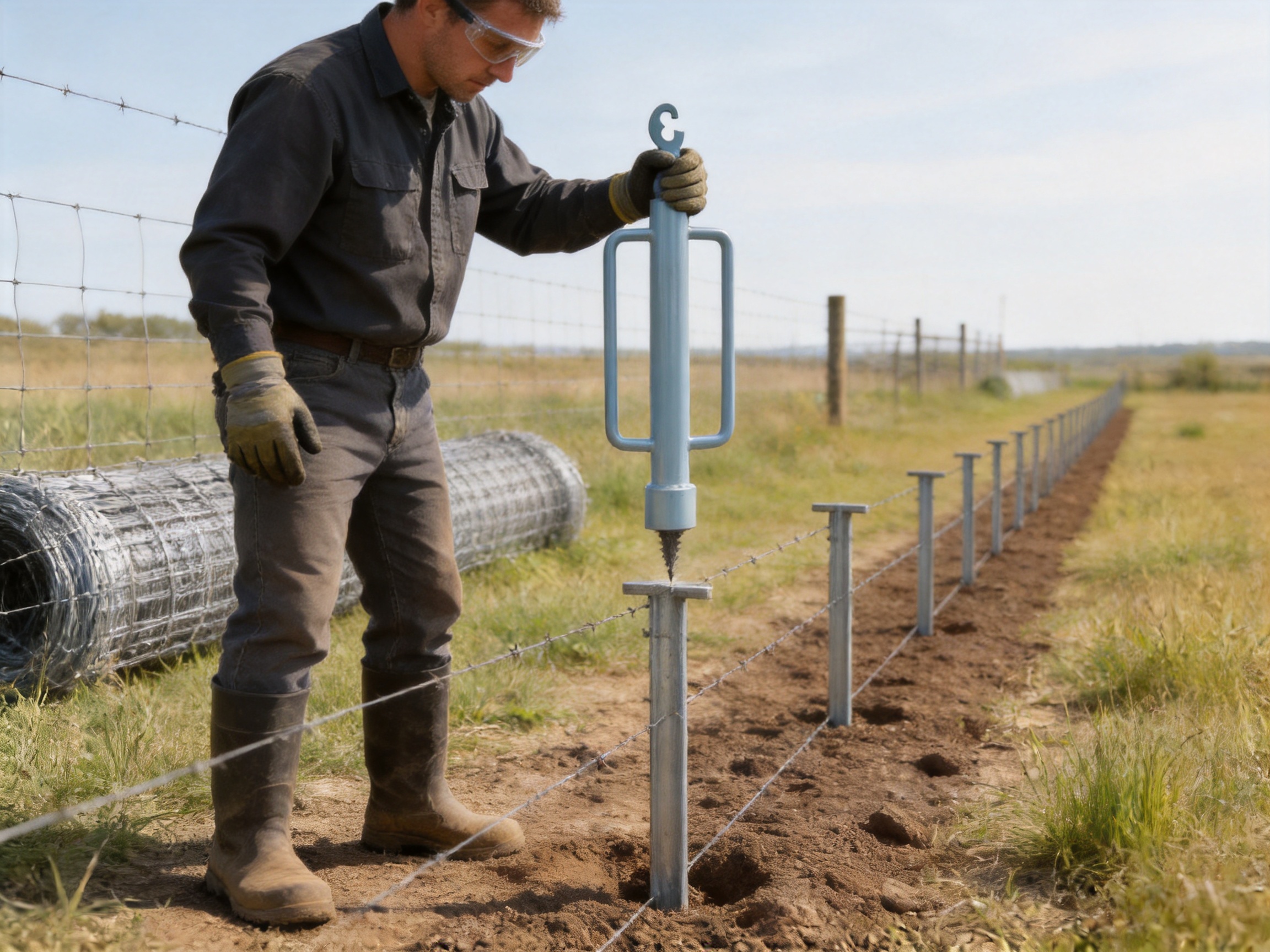
The tubular form is one of the QSD6000’s most important functional advantages. With a conventional hammer, the operator must strike the top of the T-post accurately. An off-center blow may bend the post, damage its top, cause the hammer to glance away, or transfer force inefficiently. The tubular pounder surrounds the post and helps maintain alignment during the downward stroke.
When the tool is positioned over the T-post, the post enters the inside tube. The 54-millimeter internal diameter is designed for compatible T-post dimensions, allowing the pounder to travel along the post while delivering force to its upper end. This arrangement creates a more stable impact path than an exposed hammer face.
The tool’s enclosure also provides a degree of protection for the worker’s hands compared with holding the post close to the point of impact. Safe work practices remain essential, but the operator does not need to place a hand immediately beside the area being struck. The design can therefore make the task more comfortable and reduce the chance of a direct mis-hit.
The tubular approach is especially valuable when posts must be installed in a straight line. A centered impact encourages the post to advance vertically, provided that the starting position is correctly prepared and the ground is suitable. The worker can pause periodically to check alignment and make adjustments before the post becomes deeply embedded.
Advantages Compared with Basic Manual Methods
The QSD6000 offers several practical advantages over improvised methods and ordinary striking tools. These advantages should be understood in the context of general manual fencing work rather than as a claim that one tool is suitable for every soil type or project size.
More Consistent Force Application
A separate hammer or sledgehammer concentrates impact on a relatively small striking face. The result depends heavily on the accuracy and angle of each swing. The QSD6000 is placed directly over the post, so the body remains aligned with the post during the stroke. This can make force application more consistent from one impact to the next.
Reduced Risk of Side Impacts
Side impacts are a common problem when a worker attempts to strike a narrow post with a wide hammer. A glancing blow can damage the post or cause the hammer to move unexpectedly. The QSD6000’s surrounding tube helps reduce this problem by guiding the pounder around the post.
Less Dependence on Improvised Accessories
Some users attempt to drive T-posts with blocks of wood, loose pipes, oversized sockets, or other materials not designed for impact work. These solutions may have inconsistent dimensions and may fail prematurely. A purpose-built pounder gives the user a clearly defined tool with known weight and internal diameter.
Improved Portability
Powered post drivers can be highly productive, but they may require fuel, charging, maintenance, transport space, and a larger investment. The QSD6000 is a manually operated tool. It can be carried to remote sections of a property without a generator, battery pack, compressor, or engine. This is useful for small farms, repair work, temporary fencing, and locations where powered equipment is inconvenient.
Low Operating Complexity
The tool has no engine, hydraulic circuit, electrical motor, fuel system, or control panel. There are fewer operating steps and fewer components that require technical service. A user can position the pounder, lift it, and apply repeated strokes. This simplicity is particularly valuable for buyers who want dependable equipment without a complicated maintenance schedule.
Potentially Lower Total Cost
For small and medium fencing projects, a manual pounder can be more economical than purchasing or renting powered equipment. The initial investment is generally lower, and operating costs are limited. There is no fuel consumption during use and no requirement for electrical charging. The tool can also be shared among workers or kept available for future repairs.
Weight and Ergonomic Considerations
At 16 pounds, the QSD6000 is heavy enough to generate useful impact energy through gravity while remaining within the range of a manually operated tool. The operator does not need to swing it sideways like a conventional sledgehammer. Instead, the recommended working motion is a controlled vertical lift followed by a downward drop or push, depending on the user’s technique and the specific installation conditions.
Every manual tool requires attention to ergonomics. The operator should use a stable stance, keep feet clear of the post, maintain a firm grip, and avoid twisting the body during lifting. Fence installation should be organized so that the post is stable before the pounder is raised. Workers should take breaks during repetitive installation and use appropriate gloves, protective footwear, eye protection, and other site-specific personal protective equipment.
The tool’s weight can be an advantage because it reduces the number of impacts required in many conditions. However, soil hardness, moisture, post profile, and installation depth all affect performance. Users should not force the tool beyond reasonable manual handling limits. If a post encounters a large rock or buried obstruction, it is better to stop, investigate, and reposition or prepare the hole than to continue striking with excessive force.
Two-person workflows may be useful on larger projects. One person can position and monitor the T-post while another operates the pounder, provided that both workers communicate clearly and keep their hands away from the impact zone. For smaller work, a single experienced operator may manage both alignment and pounding. In either case, the work area should remain free of unnecessary obstacles.
Suitable Applications
The QSD6000 can support a wide range of T-post installation tasks. Agricultural users may employ it for pasture divisions, livestock enclosures, crop protection, and temporary field boundaries. Its manual operation is suitable for farms where posts must be installed across uneven terrain or in locations that are difficult for vehicles to reach.
Gardeners and property owners can use compatible T-posts to protect vegetable plots, flower beds, young trees, and landscaping areas. The pounder is also useful for installing support posts for wire mesh, deer fencing, poultry fencing, and other lightweight or medium-duty barriers. When the job involves replacing a damaged post, the tool can be transported easily from a storage area to the repair location.
Fencing contractors may value the product as a portable accessory for service calls, smaller installations, and areas where a powered driver is not justified. A contractor can keep it in a work vehicle and use it when access conditions, project scale, or customer requirements favor a manual approach.
Construction and maintenance teams may also use compatible T-posts for temporary warning barriers, site demarcation, erosion-control fabric, or protective fencing. The actual suitability depends on local regulations, the strength of the barrier, and the type of post and attachment material selected.
Recommended Operating Method
Before beginning, inspect the QSD6000 for visible cracks, severe dents, distortion, or sharp damage. Confirm that the T-post is compatible with the 2-1/8-inch internal tube diameter. Check that the post is straight enough for the intended application and that no person, animal, vehicle, or fragile object is in the immediate work area.
Mark the post location and remove loose debris from the ground surface. If the soil is extremely hard or contains dense roots and stones, use an appropriate method to prepare the starting point. Starting the post vertically is important. A leaning post may become more difficult to correct as it is driven deeper.
Position the T-post at the selected point. Place the QSD6000 over the upper end of the post, ensuring that the post enters the tube correctly and that the pounder sits squarely. Lift the tool only as high as can be controlled safely. Allow the weight to descend in a vertical path, keeping the tool aligned with the post.
After several strokes, pause to inspect the post’s vertical position and depth. Correct alignment early rather than waiting until the post has been driven deeply. Continue until the desired installation depth is achieved or the ground condition indicates that another installation method is required.
When finished, remove the pounder carefully and inspect the post. Check for unwanted bending, loose soil, or conditions that could reduce fence stability. Clean soil and moisture from the tool before storage. Store it in a dry location and avoid leaving it exposed to standing water or corrosive substances.
Manufacturing Strength Behind the Product
The performance of a manual steel tool depends not only on its design but also on how consistently it is manufactured. Jiashan Superpower Tools Co., Ltd. has specialized in outdoor equipment and practical machinery since 1997. Its product range includes log splitters, dump carts, spreaders, lawn sweepers, lawn aerators, chippers, stump grinders, and other equipment used in agricultural, landscaping, and property-maintenance environments.
This product background is relevant to the QSD6000 because manufacturing outdoor equipment requires familiarity with steel fabrication, structural components, dimensional control, surface treatment, assembly procedures, packaging, and export logistics. A company producing equipment for repetitive outdoor work must understand the importance of durability, usability, and cost control.
The company’s facility is located in the Huimin Economic Development Zone of Jiashan County, Zhejiang Province, between Shanghai and Hangzhou. This location provides access to industrial supply chains, skilled labor, transportation networks, and export infrastructure. These factors support the efficient sourcing and processing of steel components and the delivery of finished products to international customers.
Quality Management
The company operates under an ISO 9001:2015-certified quality management system. ISO-based quality management places emphasis on documented processes, responsibility, traceability, corrective action, and continuous improvement. For a product such as a post pounder, these principles can support more consistent control of material selection, dimensions, inspection, production records, and packaging.
Certification itself does not eliminate the need for correct use or product inspection, but it demonstrates that the manufacturer has established a formal framework for managing quality. Buyers and distributors can benefit from dealing with a supplier that follows organized production procedures rather than relying only on informal workshop practices.
Engineering and Product Development
The company’s broader product portfolio indicates experience in designing equipment for real outdoor working conditions. Different machines require different engineering solutions, but many share common priorities: structural strength, safe operation, practical dimensions, manufacturability, and reasonable cost. These priorities are also important in the QSD6000.
The 54-millimeter inside tube diameter, 16-pound weight, and compact overall dimensions represent a balance between compatibility, impact capability, and portability. A product development process should consider how the tool fits over the post, how the user handles the weight, how the body survives repeated impacts, and how the item can be packed efficiently for transport.
International Production Experience
Superpower products are supplied to customers in North America, Europe, Australia, Asia, and South America. International distribution requires attention to customer expectations, packaging protection, product documentation, shipping specifications, and market-specific requirements. The company also reports that many of its products carry CE certification, reflecting experience with applicable European product conformity processes for relevant equipment.
For wholesale customers, international experience can be a significant advantage. A distributor is not purchasing only a physical tool; it is also establishing a supply relationship. Reliable communication, repeatable production, export packing, and long-term cooperation can influence the commercial success of a product as much as the product’s basic specifications.
Packaging and Wholesale Logistics
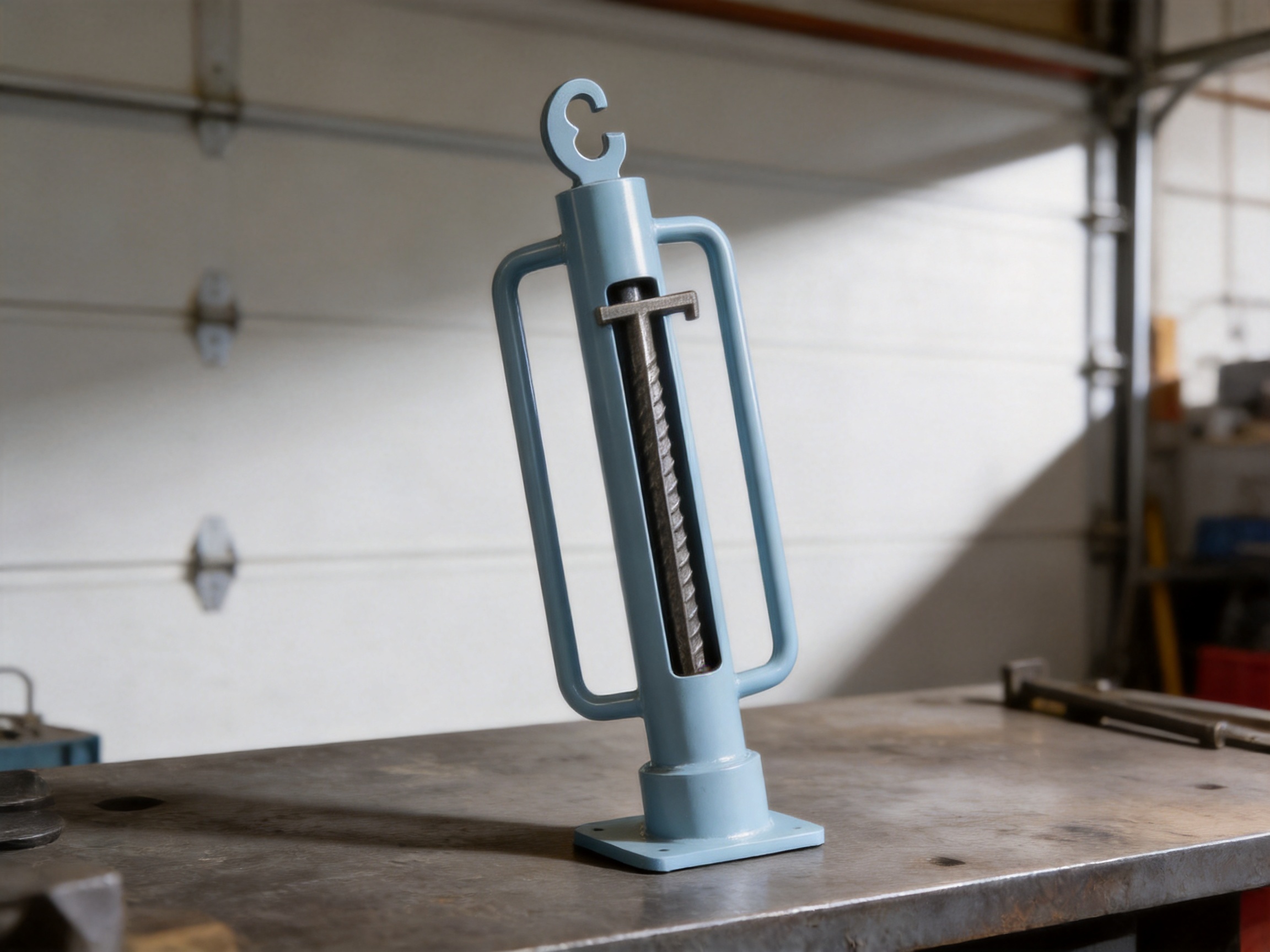
The listed package size is approximately 39 by 28.3 by 33.5 inches, or 99 by 72 by 85 centimeters. The container quantity is 60 pieces per wooden box. These details are important for importers, distributors, retailers, and project suppliers planning storage and freight.
A wooden box can provide a practical level of protection for heavy steel products during international transport. Because the QSD6000 has a substantial individual weight, packaging must prevent excessive movement, stacking damage, and impact against other cargo. Buyers should confirm current packing methods, gross weight, box configuration, and loading details with the manufacturer before placing an order.
The 60-piece packing quantity may suit distributors serving agricultural, fencing, hardware, and outdoor-equipment markets. It can also support project procurement when a large number of identical tools is needed. Retailers should consider whether individual product packaging, labeling, instruction materials, and pallet arrangements are required for their sales channel.
Efficient packaging contributes to more than transport safety. It can reduce product damage, simplify warehouse handling, and improve inventory planning. A supplier with experience in international equipment shipping is better positioned to coordinate these requirements and help customers avoid preventable logistics problems.
How the QSD6000 Compares with Powered Post Drivers
Powered post drivers are appropriate for high-volume commercial work, very hard ground, or situations where rapid installation is the primary objective. They can reduce physical labor and increase output when used by trained operators. However, powered equipment typically has a higher purchase or rental cost and may require fuel, battery charging, engine maintenance, specialized transport, and more extensive operating procedures.
The QSD6000 serves a different segment. It is a compact manual tool for users who value simplicity, portability, and low operating complexity. It can be carried where powered machinery cannot easily reach and can remain ready for use without charging or refueling. It is especially practical when the total number of posts is moderate or when a powered driver would be uneconomical.
Manual installation also provides direct feedback. The operator can feel changes in soil resistance and can stop immediately when an obstruction is encountered. This may be useful in landscaped areas, narrow access routes, and repair situations where careful control is more important than maximum speed.
The correct comparison is therefore not that a manual pounder replaces every powered driver. Instead, the QSD6000 offers an efficient alternative for a wide range of general fencing tasks. Buyers should assess project volume, soil conditions, worker capacity, access, budget, and required installation speed before selecting equipment.
How the QSD6000 Compares with Lightweight or Improvised Pounders
Some lightweight pounders are easy to carry but may not provide sufficient impact for firm ground. The operator may have to perform many more strokes, increasing fatigue and reducing productivity. The QSD6000’s 16-pound weight is intended to provide a stronger gravity-assisted impact while still allowing manual handling.
Improvised solutions can also create uncertainty about fit. If the internal opening is too large, the tool may move excessively around the post. If it is too narrow, the tool may bind. If the body is not designed for impact loading, it may crack or deform. The QSD6000 provides a defined 54-millimeter internal diameter and a body manufactured for the intended application.
Compared with direct hammering, the QSD6000 also helps protect the top of the post from repeated inaccurate strikes. A fence installer can concentrate on maintaining vertical alignment and a controlled lifting motion rather than aiming a separate hammer at a small target.
Maintenance and Service Life
A steel post pounder has relatively simple maintenance requirements, but basic care remains important. After use, remove soil, moisture, grass, and other debris from the internal tube and exterior surface. Dirt inside the tube can affect the way the pounder travels along the post, while moisture left on carbon steel may contribute to corrosion.
Inspect the lower edge and internal wall regularly. Look for cracks, sharp burrs, severe distortion, or signs that the tube no longer maintains its intended shape. Small surface marks may be normal in an impact tool, but structural damage should not be ignored. A damaged pounder can affect performance and create a safety risk.
Store the product under cover in a dry environment. If the tool’s surface finish becomes damaged, follow an appropriate corrosion-prevention procedure suitable for carbon steel. Do not alter the internal diameter by welding, grinding, or cutting unless the work is performed by a qualified professional and approved for the intended application.
Service life depends on soil conditions, frequency of use, impact technique, post design, and maintenance. The tool should be used only for compatible T-post installation and should not be treated as a general-purpose demolition bar or striking tool. Correct application is one of the best ways to preserve the body and maintain reliable operation.
Safety Practices for Operators
Read all available product instructions before use. Wear work gloves that provide a secure grip, safety footwear with suitable toe protection, and eye protection when soil, metal fragments, or debris may be displaced. Long hair, loose clothing, and accessories should be secured away from the working area.
Keep bystanders at a safe distance. Children and animals should not enter the work zone. Inspect the ground for buried utilities, drainage systems, irrigation lines, cables, and other hazards before driving posts. In agricultural and construction environments, follow the site’s established safety procedures.
Do not place hands or feet under the pounder or near the top of the post while the tool is being raised or lowered. Maintain a balanced stance and avoid overreaching. If the post begins to lean, stop and correct the position rather than attempting to compensate with angled blows.
Do not use the tool when the body is visibly cracked, badly deformed, or otherwise unsafe. Do not strike a post that is obstructed by a buried object without first assessing the situation. Excessive force can damage the post, the tool, or the surrounding ground and may increase the risk of injury.
Environmental and Operational Benefits
Because the QSD6000 is manually operated, it produces no direct fuel emissions during use and does not require electricity. This makes it suitable for remote locations and may reduce the logistical burden associated with small fencing projects. The product can be used in areas where engine noise would be undesirable, such as residential properties, gardens, parks, or livestock facilities.
The steel construction also supports long-term reuse. A durable tool that can be used across multiple projects may reduce the need for repeated replacement. When the product eventually reaches the end of its useful life, its steel material can generally enter established metal recycling streams, subject to local recycling practices.
Operational sustainability also includes using the right equipment for the actual job. A manually operated pounder may be a sensible choice when a full-size powered driver would consume more resources than necessary for a limited number of posts. Conversely, very large commercial projects may justify powered equipment to reduce labor demands. Matching the tool to the application is the practical approach.
Purchasing Considerations for Distributors and End Users
Before purchasing, confirm the dimensions of the T-posts that will be installed. The QSD6000 has a 2-1/8-inch, or 54-millimeter, inside tube diameter. T-post profiles and dimensions can vary by market and manufacturer, so compatibility should be checked rather than assumed.
Buyers should also consider expected usage volume. A homeowner installing a short garden fence may need only one tool, while a contractor or distributor may require multiple units. Wholesale customers should review the 60-piece wooden-box quantity, shipping dimensions, labeling requirements, and expected delivery schedule.
Ask the supplier about current surface treatment, packaging configuration, instruction documentation, inspection procedures, and available customization. These details may vary according to order size and destination market. Importers should also confirm applicable customs, safety, and product-conformity requirements before shipment.
For professional users, the manufacturer’s broader product capabilities may be valuable. A company that produces log splitters, spreaders, dump carts, lawn sweepers, chippers, stump grinders, and other outdoor equipment may be able to support a wider product assortment. This can simplify supplier management for distributors serving agricultural, landscaping, and garden-equipment customers.
Frequently Asked Questions
What is the QSD6000 designed to do?
The QSD6000 is designed to drive compatible T-posts into the ground during fence installation. It is a manual pounder that uses its steel body and 16-pound weight to deliver controlled downward impacts.
What is the inside diameter?
The inside tube diameter is 2-1/8 inches, equivalent to 54 millimeters. Users should compare this dimension with the actual profile and size of their T-posts before operation.
How much does the tool weigh?
The listed net weight is 16 pounds, equivalent to 7.26 kilograms. This weight provides useful impact force while keeping the product portable for manual fencing work.
What material is used to make it?
The QSD6000 is made from high-strength carbon steel. This material is selected for the rigidity and durability required in a repetitive impact application.
Is it powered by fuel or electricity?
No. The QSD6000 is manually operated. It does not require fuel, a battery, an electrical connection, a compressor, or a hydraulic power unit.
Can it replace a powered post driver?
It can serve as a practical alternative for many small and medium fencing projects, repair jobs, remote locations, and applications where simplicity is important. Very large projects or extremely hard ground may be better suited to powered equipment.
Is the product suitable for every T-post?
Compatibility depends on the T-post’s external shape and dimensions. The 54-millimeter internal diameter should be treated as the key starting specification. Buyers should confirm compatibility with the manufacturer or measure their posts before ordering.
How should the pounder be used?
Place the tool over the top of a correctly positioned T-post, keep it aligned vertically, and raise and lower it in a controlled manner. Inspect the post periodically for alignment and stop if an obstruction or unsafe condition is encountered.
What safety equipment should be worn?
Work gloves, protective footwear, and eye protection are recommended. The work zone should be kept clear of bystanders, children, and animals. Users should also check for buried utilities and other ground hazards.
How should the product be stored?
Clean soil and moisture from the tool after use and store it in a dry, covered location. Inspect the tube and body regularly for cracks, severe dents, corrosion, or distortion.
What is the package quantity?
The listed container quantity is 60 pieces per wooden box. The stated package size is 39 by 28.3 by 33.5 inches, or 99 by 72 by 85 centimeters.
Who manufactures the product?
The QSD6000 is manufactured by Jiashan Superpower Tools Co., Ltd., a Chinese producer of outdoor power equipment, lawn and garden machinery, and practical agricultural tools established in 1997.
What quality systems support production?
The manufacturer operates under an ISO 9001:2015-certified quality management system. The company also reports experience with CE-certified products and international distribution.
Conclusion
The 16 LB T-Post Pounder QSD6000 is a focused tool for a common but physically demanding fencing task. Its high-strength carbon-steel construction, 16-pound weight, and 54-millimeter internal tube diameter are designed to provide controlled and repeatable impacts on compatible T-posts. By surrounding the post and guiding the downward force, the tool offers practical advantages over direct hammering and improvised alternatives.
Its manual operation makes it portable, straightforward, and economical for many farms, gardens, landscaping projects, repair jobs, and temporary fencing applications. It requires no fuel, battery, engine, or hydraulic system, while its substantial weight can reduce the number of strokes required in suitable soil conditions. Users should still match the tool to the post dimensions, ground conditions, installation depth, and project scale.
The manufacturing background of Jiashan Superpower Tools Co., Ltd. strengthens the product’s commercial value. The company has more than two decades of industry experience, a broad outdoor-equipment portfolio, an ISO 9001:2015-certified quality management system, international export capability, and a production location connected to established industrial and logistics networks. These strengths support consistent manufacturing, practical product development, and cooperation with distributors around the world.
For buyers seeking a durable and uncomplicated way to install compatible T-posts, the QSD6000 provides a balanced combination of impact capability, portability, material strength, and operating simplicity. It is a useful addition to professional fencing equipment and a practical solution for property owners who want to complete manual fence installation with greater control and efficiency.
References
1. Product specification sheet for the 16 LB T-Post Pounder QSD6000, including dimensions, weight, tube diameter, packaging data, and model number.
2. Manufacturer-provided company information concerning production history, product categories, manufacturing location, quality management, certifications, and international markets.
3. General workplace safety principles for manual impact tools, fence installation, lifting operations, and outdoor equipment use.
4. General steel fabrication and carbon-steel material guidance for repeated-load tools and agricultural equipment.
5. General fencing installation practices relating to T-post alignment, soil preparation, post spacing, and barrier stability.
Product: 16 LB T-POST POUNDER QSD6000
PREV:1250 lb ATV Mesh Cart: A Practical Heavy-Duty Hauling Solution for Rough Terrain
NEXT:No next article
NEXT:No next article
Interested in cooperation or have questions?
Related products
-
-
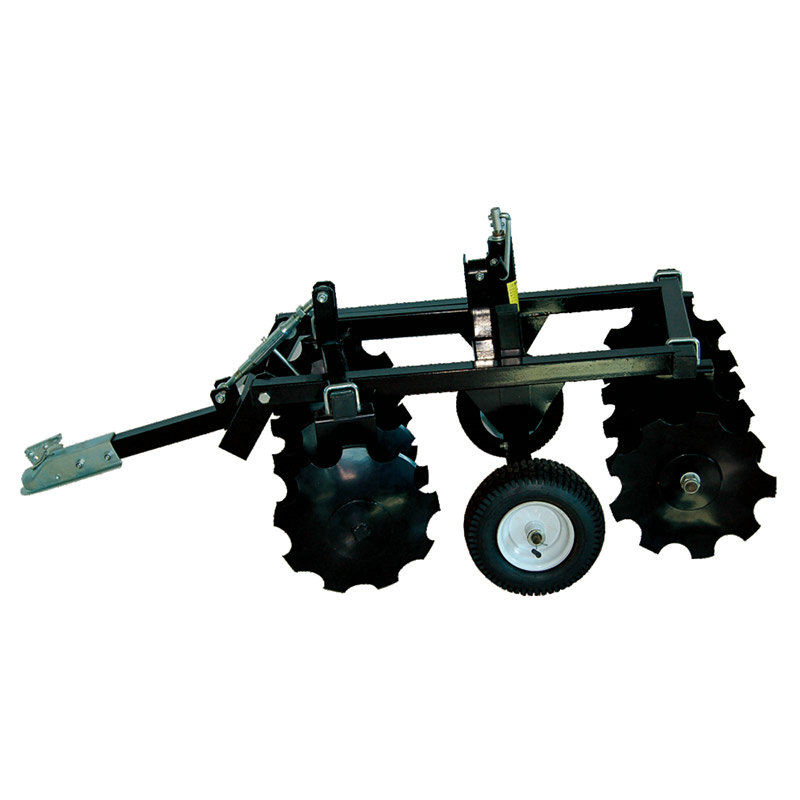
◆MODEL NO.: SP31405 ◆STRONG SQUARE TUBE FRAME, 1"(25MM) HIGH CARBON ST...
See Details -
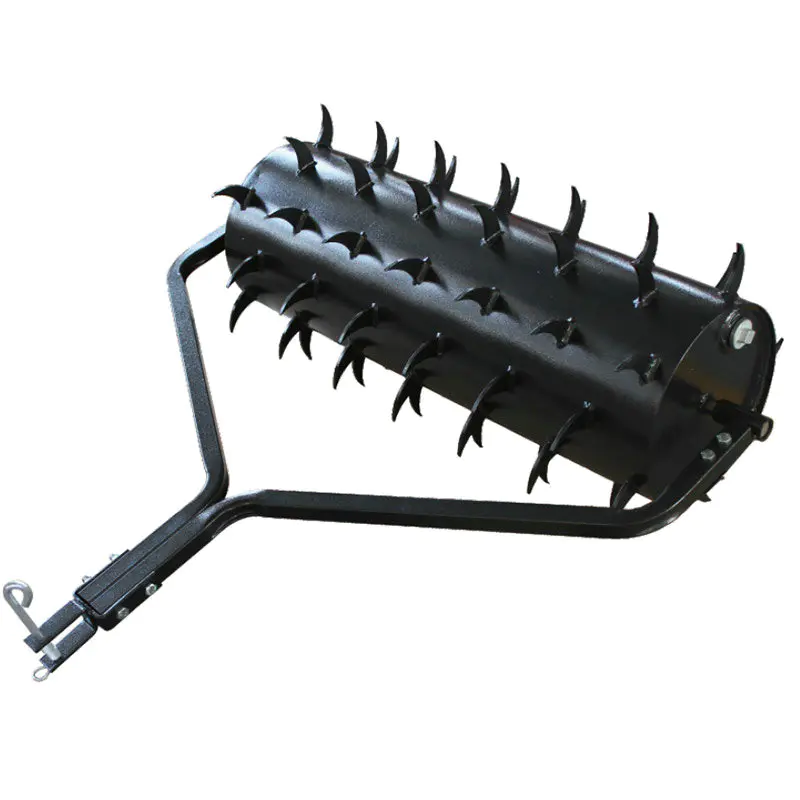
DESCRIPTION ♦Helps nutrients get into the soil and down to the ...
See Details -
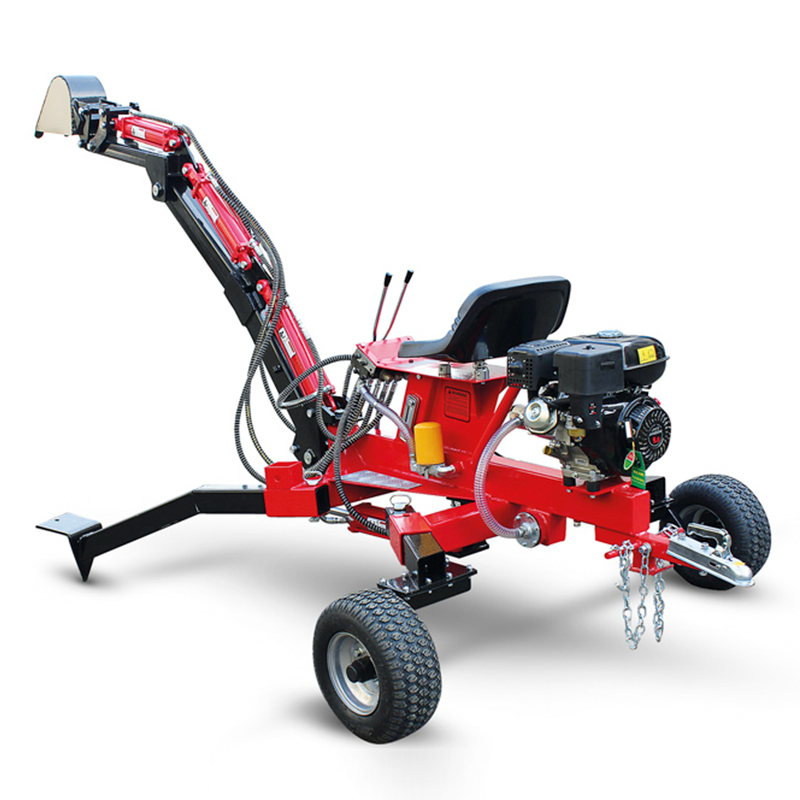
BACKHOE WITH 10" BUCKET ◆MODEL NO.: N90A ◆9HP GASOLINE ENGINE ◆BUCKET...
See Details -
● MODEL NO.: SP31203 ● 3/18" HEAT TREATED TINES/30 TEETH ● SPRING STEE...
See Details -
MODEL NO. : SP35321 2 spring-loaded handles for fast and easy attachme...
See Details
